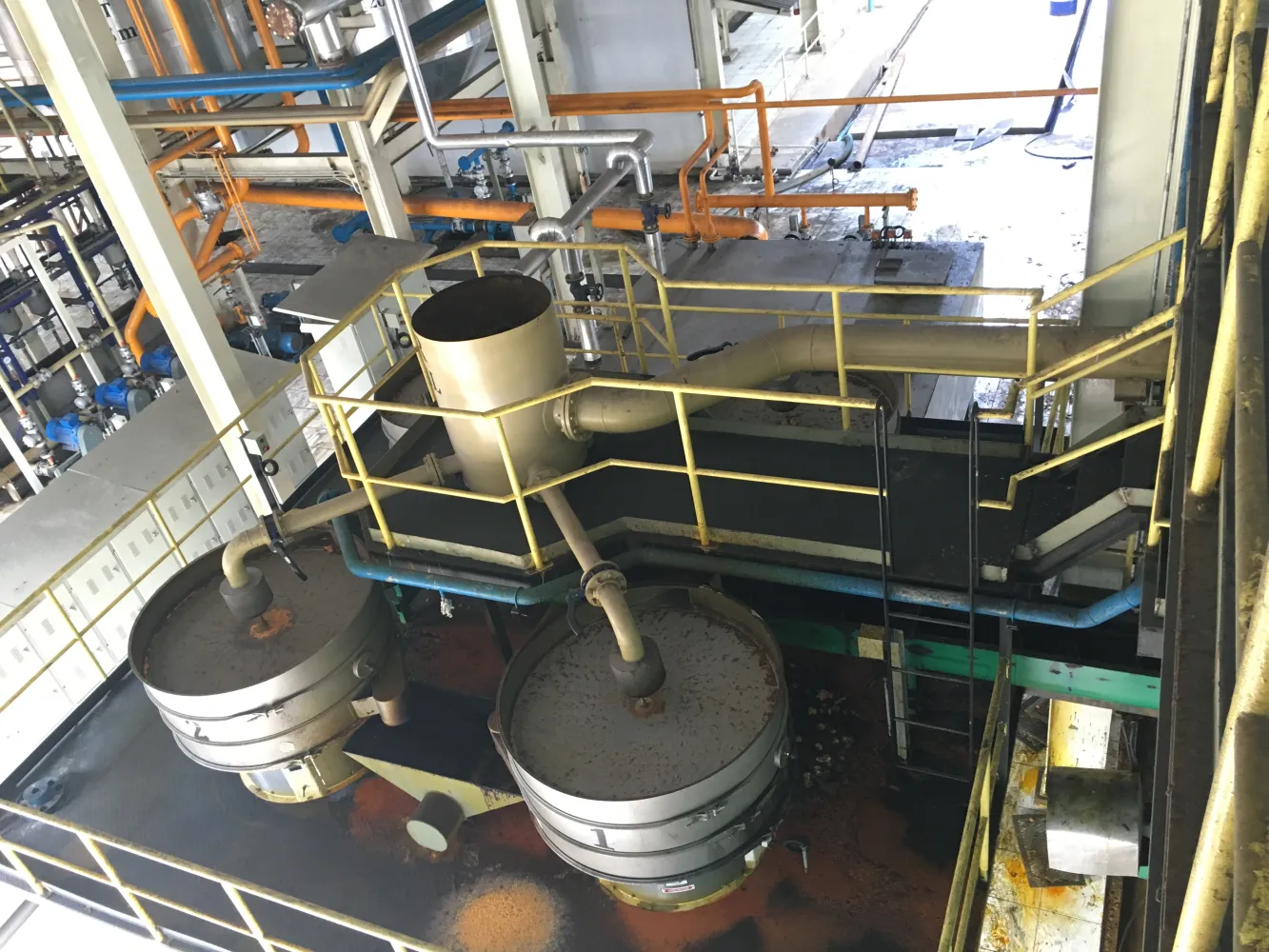

In an era where health consciousness is reshaping household choices, the kitchen has become a battleground for nutritional control. Recent studies show that over 68% of American households express concerns about commercial cooking oil quality, while European consumers increasingly seek transparent food production processes (Source: Global Food Safety Survey 2023). This growing awareness has sparked interest in home oil extraction solutions, with peanut oil emerging as a preferred choice for its balanced nutritional profile and versatile culinary applications.
Peanut oil, celebrated for its unique composition, offers a compelling nutritional profile that benefits cardiovascular health and overall wellbeing. Unlike many vegetable oils, peanut oil contains approximately 48% monounsaturated fats, primarily oleic acid, which studies suggest can help reduce LDL ("bad") cholesterol levels when part of a balanced diet. The American Heart Association recommends replacing saturated fats with monounsaturated fats to lower heart disease risk.
What truly distinguishes peanut oil is its high smoke point (approximately 450°F/232°C), making it ideal for various cooking methods from stir-frying to deep-frying. This versatility has made it a staple in professional kitchens worldwide, while its mild flavor allows the natural taste of ingredients to shine through.
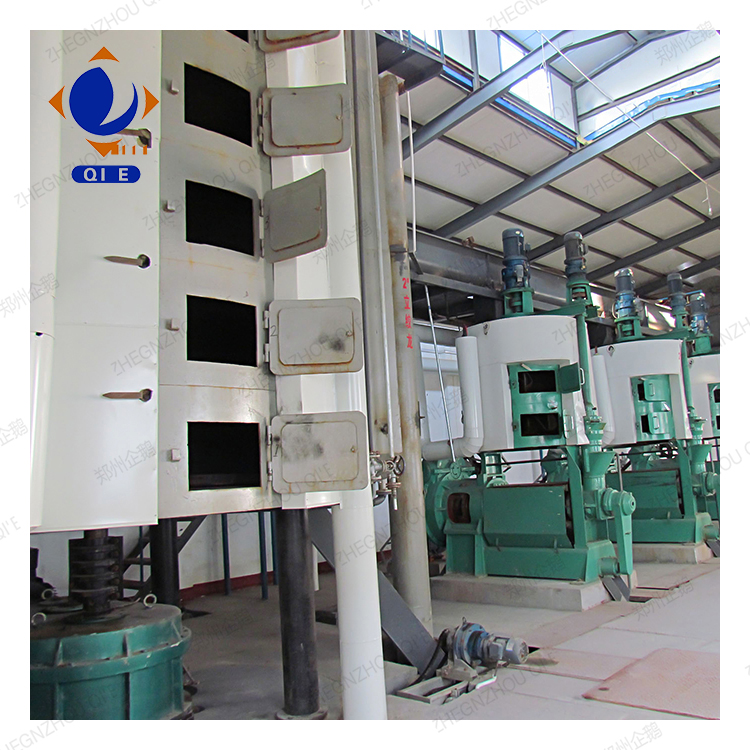
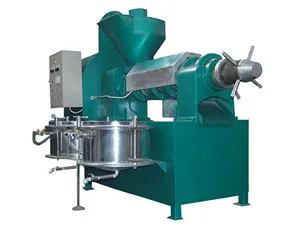
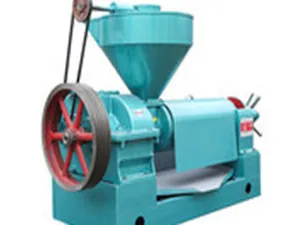
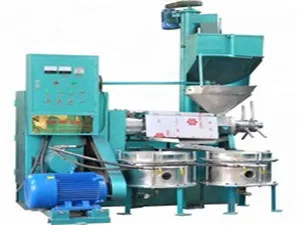
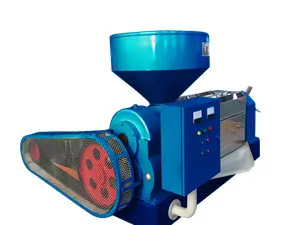
Traditional home oil extraction methods often deter consumers with their labor-intensive processes and hygiene concerns. The self-cleaning peanut oil press addresses these pain points through innovative engineering that combines efficiency with convenience. Unlike conventional models requiring disassembly and manual scrubbing after each use, modern self-cleaning systems incorporate automated cleaning cycles that remove residual oil and particles, ensuring optimal hygiene and reducing maintenance time by up to 70%.
Advanced sensors detect residue buildup and initiate high-pressure water jets or dry cleaning cycles, eliminating the need for manual disassembly. This feature ensures food safety by preventing oil oxidation and bacterial growth between uses.
Optimized screw pressing technology achieves extraction rates of 92-95%, significantly higher than traditional methods. This efficiency translates to better yield and fresher oil with intact nutritional properties.
Leading manufacturers like Qeon Group have elevated the home oil press category by integrating smart technology features, including programmable settings for different nut varieties, temperature control to preserve sensitive nutrients, and safety mechanisms that prevent overheating. These advancements have transformed what was once considered an industrial process into an accessible kitchen appliance suitable for modern homes.

The self-cleaning peanut oil press market is experiencing significant growth, driven by distinct regional demands and consumer preferences. In Southeast Asia, where peanut oil has been a culinary tradition for centuries, the adoption rate has reached 35% among urban households, according to 2023 market research. This region values both cultural continuity and modern convenience, making smart oil presses particularly appealing.
What's particularly interesting is how different cultures are adapting these devices to local culinary traditions. In India, for example, self-cleaning oil presses are increasingly used with traditional oilseeds like mustard and sesame, while in the United States, consumers are experimenting with blends of peanuts, almonds, and sunflower seeds to create custom oil profiles.
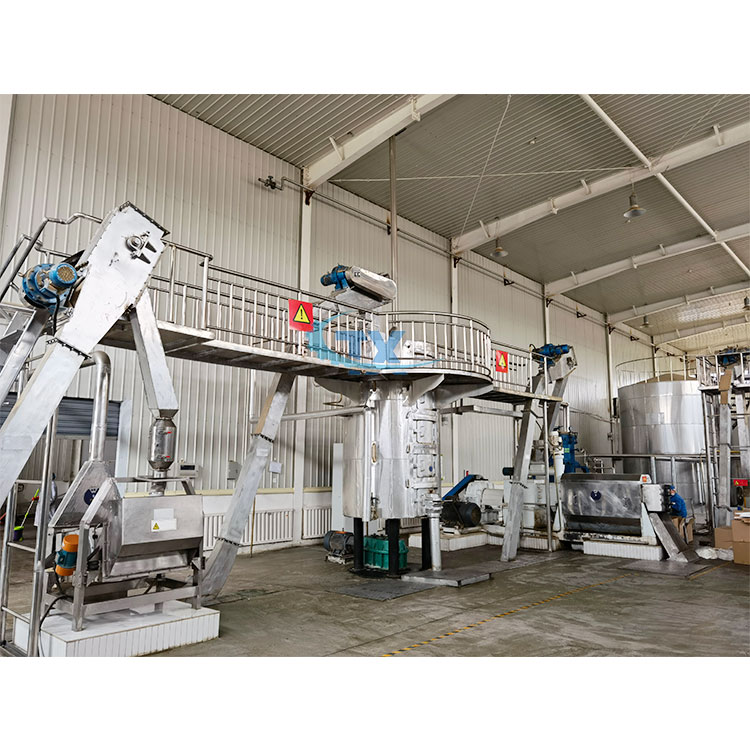
While home cooking remains the primary application, self-cleaning peanut oil presses are finding innovative uses across various settings. Small-scale food businesses, from artisanal restaurants to specialty food producers, are utilizing these machines to create signature oils that differentiate their offerings. A recent survey of 500 specialty food entrepreneurs found that 42% reported increased customer interest after introducing house-made oils.
Home-pressed peanut oil's fresh flavor and nutritional benefits open up exciting culinary possibilities:
Many home users also appreciate the ability to control the roasting level of peanuts before pressing, allowing customization from light, delicate oils to richer, more robust flavors. This level of control over ingredients is increasingly valued in a food landscape where transparency and authenticity are paramount.
Experience the benefits of fresh, home-pressed peanut oil with advanced self-cleaning technology that fits seamlessly into modern lifestyles.
Discover the Qeon Self-Cleaning Peanut Oil PressModern models are designed for countertop use, typically measuring 30-40cm in width and depth, similar to a standard toaster oven.
No, home-pressed peanut oil still contains peanut proteins that can trigger allergic reactions. Individuals with nut allergies should avoid all peanut products.
When stored in a cool, dark place in an airtight container, home-pressed peanut oil typically stays fresh for 3-4 months, longer than many commercial oils due to minimal processing.
As consumer demand for transparency and control over food production continues to rise, the self-cleaning peanut oil press represents more than just a kitchen appliance—it embodies a shift toward more intentional, health-conscious living. Whether you're an experienced home cook or just beginning to explore the world of homemade ingredients, the ability to produce fresh, nutritious oil in your own kitchen opens up a new realm of culinary possibilities while contributing to a more sustainable lifestyle.
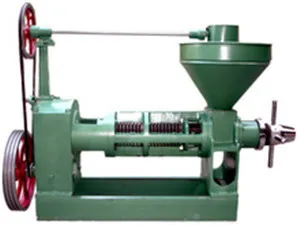


.jpg?x-oss-process=image/resize,h_1000,m_lfit/format,webp)








.jpg?x-oss-process=image/resize,h_1000,m_lfit/format,webp)