

Essential Guide: Maximizing Your Oil Production Efficiency with QIE Group Automatic Rapeseed Oil Press
In today's competitive edible oil industry, small to medium-sized processing plants face the constant challenge of balancing production efficiency, oil quality, and operational costs. According to industry reports, efficient oil extraction equipment can increase yield by up to 12% compared to outdated machinery, directly impacting profitability. QIE Group has developed a state-of-the-art automatic rapeseed oil press that addresses these challenges through innovative design and intelligent features.
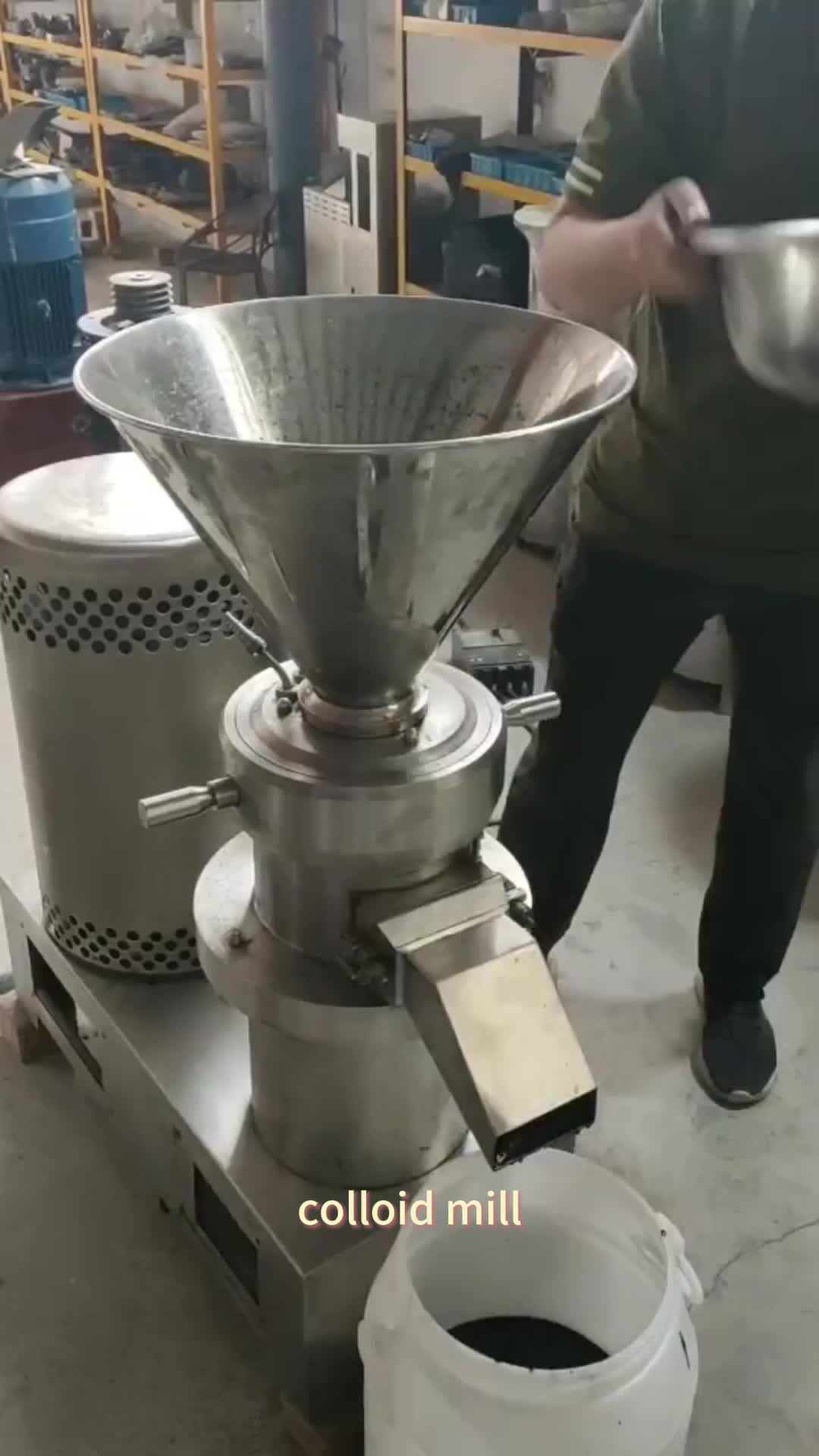
Proper preparation is crucial for optimal performance. Start by checking the power supply (380V three-phase recommended) and ensuring all safety guards are securely in place. The raw material should be cleaned and dried to a moisture content of 6-8% – this simple step can improve oil yield by approximately 3-5%. Inspect the pressing chamber for any residual material from previous operations and clean if necessary.
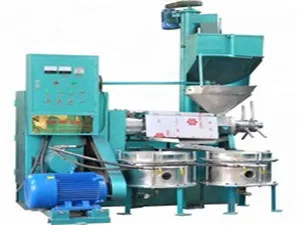
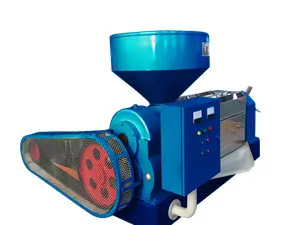
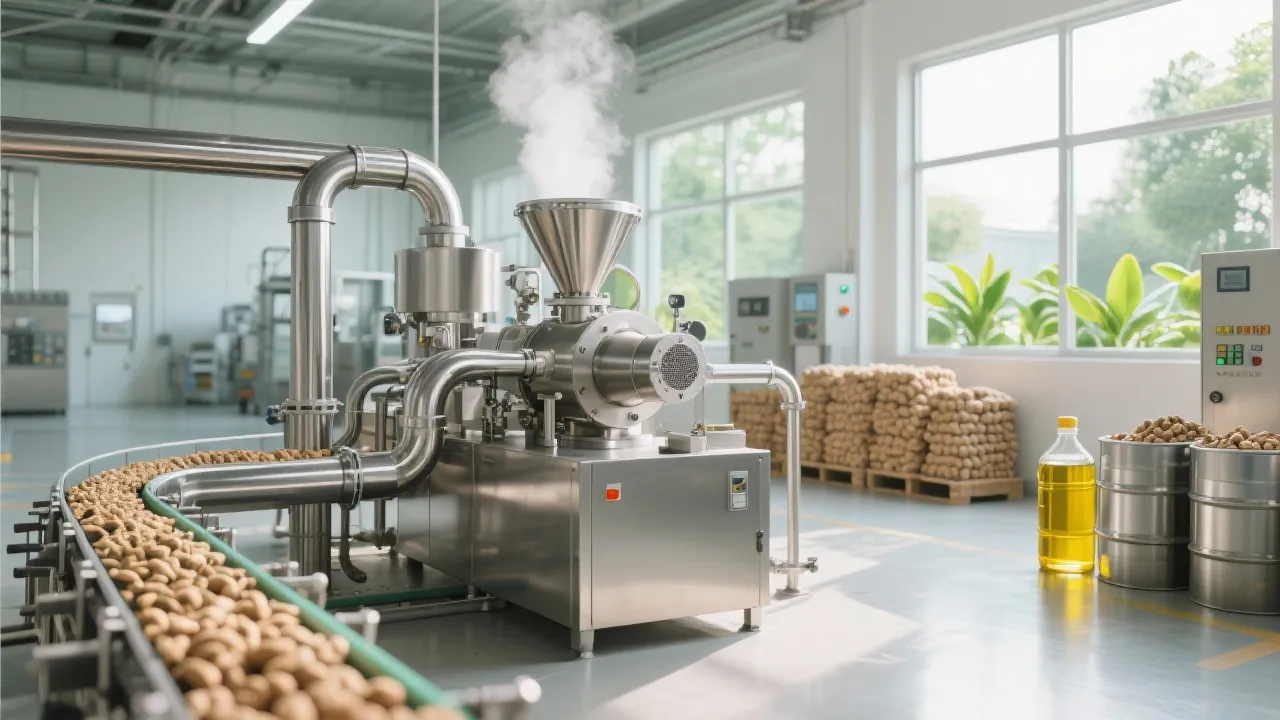
The QIE Group oil press features an advanced forced feeding system that ensures consistent material flow. Begin by setting the feeding rate according to your production requirements – typically 500-800 kg/h for medium-capacity models. The integrated control panel allows precise adjustment, preventing both underfeeding and overloading, which can cause mechanical stress and reduced efficiency.
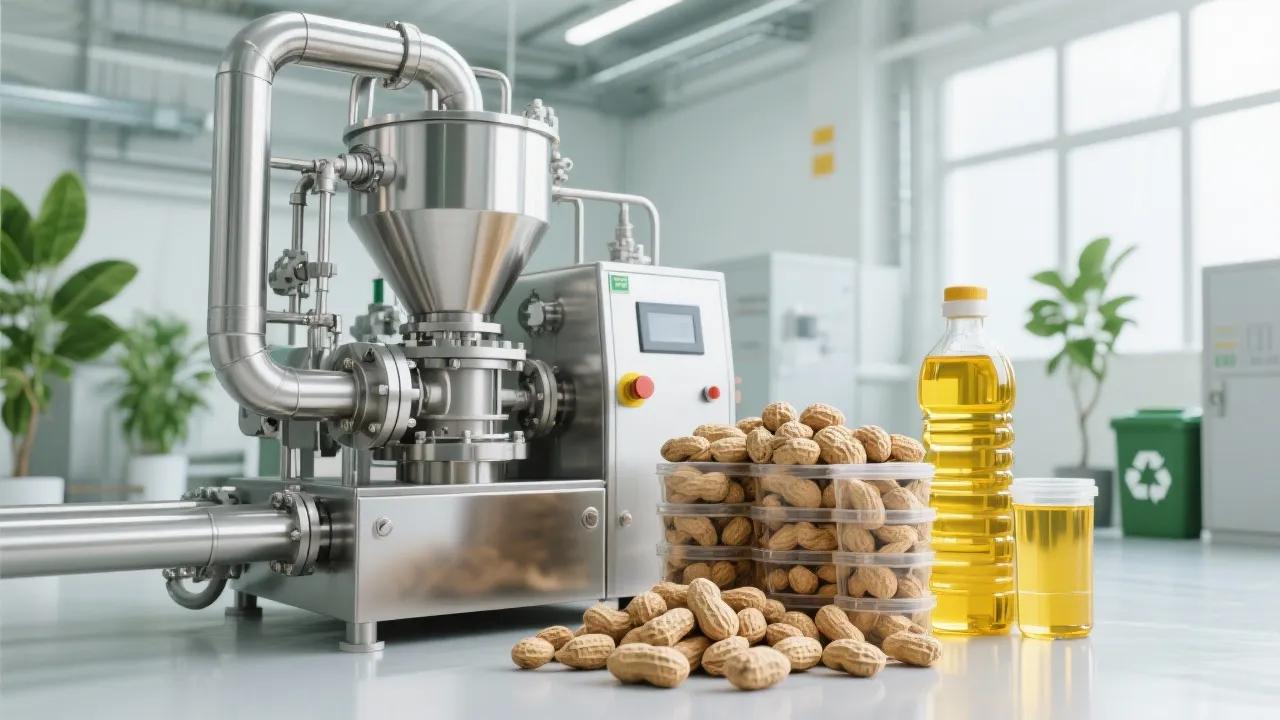
The heart of the system is the simultaneous pressing and filtering process. As rapeseed enters the pressing chamber, the dual-screw design applies gradual pressure, reaching up to 35 MPa, to extract oil while minimizing heat generation. The built-in precision filter with 400-mesh stainless steel screen immediately clarifies the oil, eliminating the need for separate filtering equipment and reducing processing time by up to 40%.
.jpg)
Implementing a regular maintenance schedule can extend equipment lifespan by 3-5 years. After each shift, clean the pressing chamber and filter screen using the integrated cleaning function. Check all lubrication points and replenish oil as needed – typically every 8-10 operating hours. Inspect drive belts for tension and wear, adjusting or replacing as necessary.
Even with proper maintenance, occasional issues may arise. If oil yield decreases suddenly, check for: (1) dull pressing screws requiring sharpening, (2) clogged filter screen needing cleaning, or (3) incorrect material moisture content. The QIE Group oil press includes a diagnostic system that provides error codes for quick troubleshooting, reducing downtime by up to 60% compared to traditional equipment.
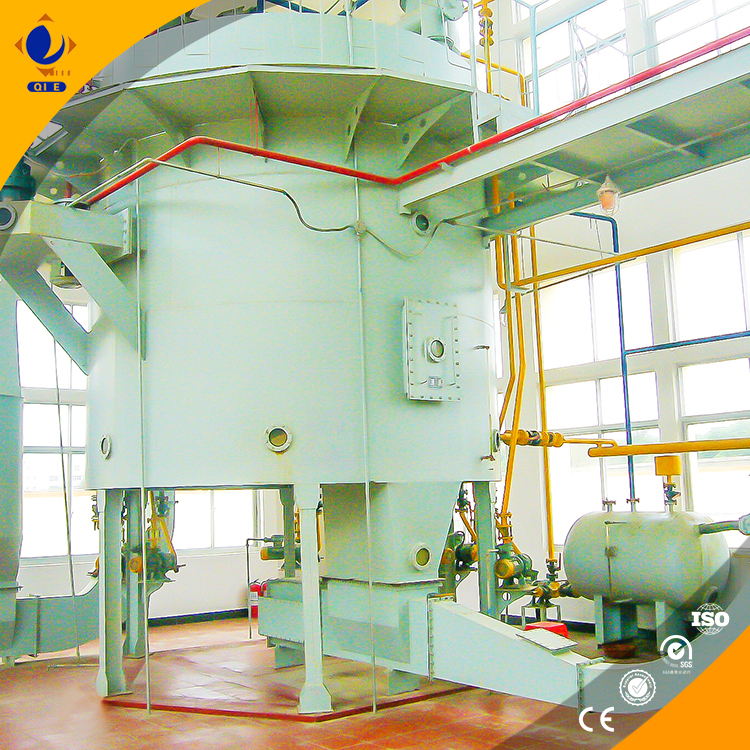
QIE Group commitment to customer success extends beyond equipment delivery. The integrated remote support system allows our technical team to monitor performance, provide real-time guidance, and even perform software updates without an on-site visit. This service has been shown to reduce maintenance costs by an average of 25% while maximizing uptime for our clients.
Experience the efficiency and reliability of QIE Group automatic rapeseed oil press. Our clients report an average return on investment within 8-12 months.
Request a Free Production ConsultationLimited time offer: Free on-site demonstration for qualified businesses
Remember that proper operator training is essential for maximizing the benefits of your QIE Group oil press. Our comprehensive training program covers all aspects of operation and maintenance, ensuring your team can handle daily operations with confidence. With the right equipment and knowledge, your processing facility can achieve consistent quality, higher yields, and improved profitability in today's competitive market.

.jpg?x-oss-process=image/resize,h_1000,m_lfit/format,webp)






.jpg?x-oss-process=image/resize,h_1000,m_lfit/format,webp)
