.jpg?x-oss-process=image/resize,h_1000,m_lfit/format,webp)
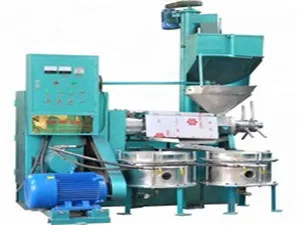
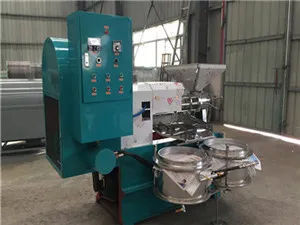
In today's competitive edible oil processing industry, efficiency and quality are the cornerstones of sustainable profitability. The full-automatic rapeseed oil press has revolutionized small to medium-sized oil mills by streamlining production processes while significantly boosting oil yield. As a plant manager or operator, understanding the intricate workflow of these advanced machines can transform your operational outcomes—potentially increasing oil extraction rates by up to 20% while reducing labor costs by approximately 35% compared to semi-automatic alternatives.
Modern oil processing facilities require equipment that balances high throughput with consistent quality. multi-oilseed compatible oil presses like those from QIE Group have become industry standards by offering:
.jpg)
Proper preparation is critical to avoid operational issues and ensure safety. Begin your production cycle with these essential checks:
Confirm voltage stability (typically 380V for industrial models) and proper grounding. Check control panel indicators for any error codes before powering up—this prevents approximately 40% of common startup failures.
Ensure the filtration screen (recommended mesh size: 80-120 for rapeseed) is properly seated and free from damage. Damaged filters can reduce oil clarity by 30% and increase machine wear.
Raw material preparation equally impacts performance. Rapeseed should be cleaned to remove impurities (maximum 0.5% foreign matter) and adjusted to an ideal moisture content of 8-10%. This preparation step alone can提升 oil yield by 5-8%.
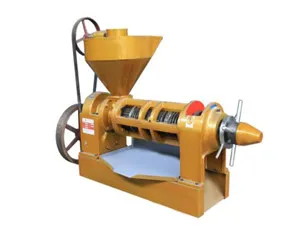
One of the most innovative features of modern automatic rapeseed oil presses is the integrated forced feeding mechanism. This system addresses a common industry challenge—uneven material flow that causes pressure fluctuations and reduced efficiency.
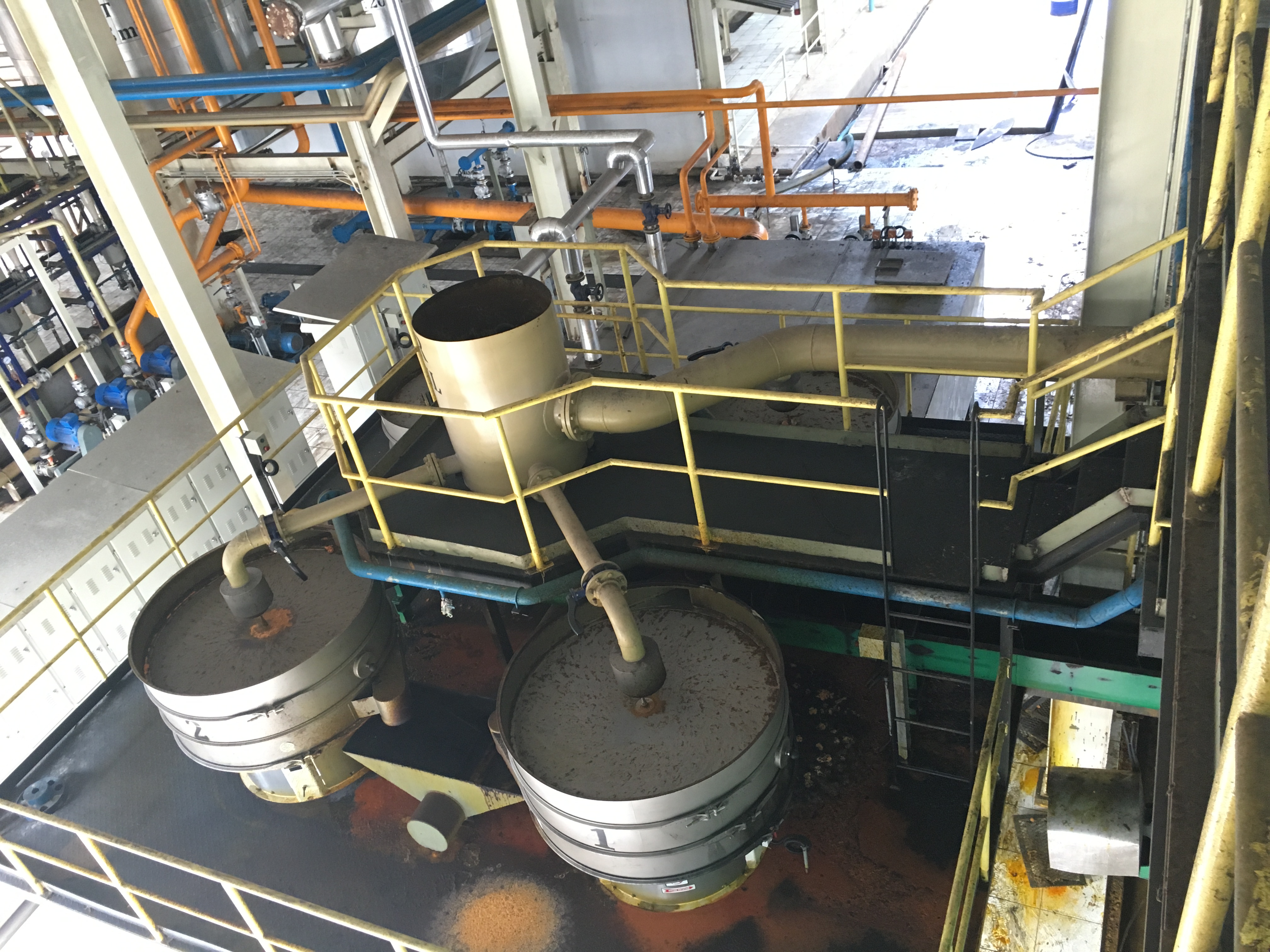
The system uses variable speed augers to maintain optimal material density, reducing blockage incidents by approximately 75% compared to gravity-fed systems. Operators should monitor the feed rate indicator (typically 500-800 kg/h for medium-capacity machines) and adjust according to real-time pressure readings displayed on the control panel.
The revolutionary press-while-filter technology represents a paradigm shift in oil processing. Traditional methods require separate pressing and filtering stages, introducing inefficiencies and quality degradation points.
As oil is extracted under high pressure (typically 25-35 MPa for rapeseed), it immediately passes through a multi-layer filtration system integrated within the press chamber. This simultaneous process:
Preventive maintenance is the key to sustained performance. Implement this weekly maintenance checklist to minimize downtime:
| Component | Maintenance Task | Frequency |
|---|---|---|
| Filtration Screen | Clean with hot water (80-90°C) and soft brush | After 8 hours of operation |
| Press Screws | Inspect for wear, measure clearance (should be ≤0.3mm) | Weekly |
| Hydraulic System | Check oil level and pressure (18-22 MPa) | Daily |
.jpg)
Modern remote technical support oil presses have transformed maintenance响应 times. QIE Group proprietary monitoring system allows technicians to:
Experience the difference of QIE Group CE certified, ISO9001 compliant automatic rapeseed oil presses—backed by our industry-leading one-year warranty and lifetime remote technical support.
Consult Our Oil Processing Specialists TodayConsider the case of a mid-sized oil mill in Eastern Europe that implemented QIE Group automatic press system last year. By following the operational protocols outlined in this guide, they achieved a consistent 18% increase in rapeseed oil yield while reducing labor costs by 32%. Their maintenance team particularly valued the remote diagnostic capabilities, which reduced unplanned downtime from an average of 4.5 hours per week to just 1.2 hours.
Remember that each oilseed variety has unique characteristics requiring specific adjustments. For rapeseed processing, pay special attention to the seed moisture content and pressing temperature—small variations can significantly impact your final yield and oil quality. With proper operation and maintenance, your automatic rapeseed oil press will deliver reliable performance for years to come.