

In today's health-conscious world, more families are turning to home oil pressing as a way to ensure the purity and quality of the cooking oil they consume. According to a recent consumer survey, the global home oil press market has seen a 23% growth in the past two years, driven by increasing awareness of food safety issues. However, with so many options available, selecting the right automatic cleaning peanut oil press can be a daunting task. This guide will walk you through the essential factors to consider, helping you make an informed decision that fits your kitchen needs and lifestyle.
"The key to choosing a home oil press lies in balancing functionality, convenience, and safety. An ideal machine should not only extract high-quality oil efficiently but also simplify the cleaning process, which is often the biggest deterrent for home users." — Sarah Johnson, Kitchen Appliance Expert
Before diving into technical specifications, take a moment to assess your kitchen space. Most home peanut oil presses range in size from 30x20x40cm to 45x30x50cm, but some commercial-grade models can be larger. Measure your countertop space and cabinet height to ensure a proper fit.
Compact models are ideal for small kitchens, but don't sacrifice capacity entirely. A machine with at least 500g capacity can typically produce enough oil for a small family's weekly needs. Consider models with vertical designs that maximize counter space efficiency.
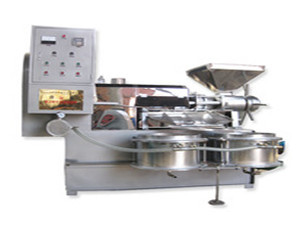
The automatic cleaning feature is what sets modern oil presses apart from traditional models. Not all cleaning systems are created equal—look for these key components:
Penguin Group's advanced models feature a 360° cleaning system that reaches all internal components, eliminating the need for manual scrubbing. This technology not only saves time but also ensures food safety by preventing oil residue buildup that can harbor bacteria.
| Cleaning Feature | Basic Models | Premium Models |
|---|---|---|
| Cleaning Coverage | External surfaces only | Internal & external components |
| Cleaning Cycles | 1-stage rinse | 3-stage: rinse, wash, dry |
| Manual Intervention Required | Significant | Minimal to none |
A user-friendly interface is essential, especially if multiple family members will be operating the machine. Look for intuitive control panels with clear labeling and one-touch operation for common functions. LCD displays that show processing time and oil yield can be particularly helpful.
Noise level is another important factor, especially in open-concept kitchens. Most quality oil presses operate between 55-70 decibels—about the level of a normal conversation. Models with noise-reduction technology can operate as quietly as 50 decibels, which is barely noticeable in a typical household environment.
Never compromise on safety when selecting kitchen appliances. Look for models certified by recognized safety standards organizations such as CCC (China Compulsory Certification) for electrical safety. Additional certifications for food contact materials provide extra assurance of product safety.
Warranty coverage is equally important. A minimum 1-year warranty is standard, but reputable brands like Penguin Group often offer 2-year warranties with extended coverage options. Check what the warranty includes—some cover parts only, while others include labor and service.
Consider these questions to determine if your household is a good fit:
Modern peanut oil presses are surprisingly energy efficient, typically using between 300-600 watts during operation. Over time, the cost savings from producing your own oil can offset the initial investment. On average, a family of four can save approximately $150-200 annually by pressing their own peanut oil compared to purchasing premium cold-pressed oils.

When calculating your return on investment, consider the cost of raw peanuts in your area and the oil yield. Most home oil presses extract approximately 40-45% oil from peanuts, meaning 1kg of peanuts will produce about 400-450ml of oil.
Experience the peace of mind that comes with knowing exactly what goes into your family's cooking oil. With Penguin Group's automatic cleaning peanut oil press, you can enjoy fresh, pure peanut oil with minimal effort and maximum convenience.
Discover the Perfect Penguin Oil Press for Your HomeLet every drop of oil bring you peace of mind and healthier cooking
Remember that the best automatic cleaning peanut oil press for you is one that fits your space, meets your oil production needs, and aligns with your safety standards. By carefully evaluating each aspect of these machines, you'll be able to make a choice that brings value and convenience to your kitchen for years to come.
Many users find that the initial investment in a quality oil press pays off not just in financial savings but also in the satisfaction of creating something wholesome for their families. The process of pressing oil at home can even become a family activity that teaches children about food sources and healthy eating habits.

.jpg?x-oss-process=image/resize,h_1000,m_lfit/format,webp)





.jpg?x-oss-process=image/resize,h_1000,m_lfit/format,webp)





.jpg?x-oss-process=image/resize,h_1000,m_lfit/format,webp)