
In recent years, home oil pressing has seen a 37% growth in household adoption across North America and Europe, according to a 2023 market research report by Kitchen Appliance Insights. This surge in popularity is driven by increasing consumer awareness of food safety and the desire for natural, additive-free cooking oils. For families considering this investment, selecting the right automatic cleaning peanut oil press requires careful evaluation of multiple factors to ensure it meets both practical needs and performance expectations.
The first step in selecting a suitable peanut oil press is evaluating your available kitchen space. Compact models typically measure 35cm x 25cm x 40cm, making them ideal for kitchens with limited counter space, while larger capacity models may require up to 50cm x 35cm of surface area. A consumer survey conducted by Home Chef Institute found that 68% of users prioritize compact design without compromising on oil yield.
Usage frequency is another critical consideration. For families using the press 2-3 times weekly, a medium-capacity model (processing 500-800g of peanuts per batch) is recommended. Heavy users processing 1kg or more per week should consider commercial-grade home models that offer continuous operation without overheating issues.
The automatic cleaning feature is the cornerstone of modern home oil presses, significantly reducing maintenance time and effort. When evaluating this function, look for systems that offer:
Consumer testing by the International Home Appliance Association revealed that fully automatic cleaning systems reduce post-pressing cleanup time by an average of 78% compared to manual cleaning models. The 企鹅集团 (Penguin Group) has received industry recognition for their innovative cleaning technology that combines high-pressure water jets with food-grade detergents for thorough sanitation.
Ease of operation is paramount for home kitchen appliances. Look for intuitive control panels with clear digital displays showing pressing time, temperature, and cleaning status. Models with one-touch operation scored 37% higher in user satisfaction according to a Consumer Reports study.
Noise level is another important factor for home use. Quality oil presses operate at 55-65 decibels—comparable to a normal conversation—ensuring they don't disrupt household activities. Power consumption should also be considered, with efficient models using 800-1200 watts during operation and less than 30 watts in standby mode.

When selecting a home oil press, safety certifications should never be compromised. Look for models certified by international safety standards organizations such as UL, CE, or GS. Key safety features include:
When comparing different models, oil extraction efficiency is a key metric. High-quality peanut oil presses achieve extraction rates of 40-45% from raw peanuts, meaning 1kg of peanuts yields approximately 400-450ml of oil. Cold press technology preserves more nutrients and natural flavor compared to heat press methods, making it the preferred choice for health-conscious families.
User reviews consistently highlight the importance of after-sales service and warranty coverage. Look for manufacturers offering at least a 2-year warranty with responsive customer support. A recent market analysis found that products with comprehensive warranty coverage have 2.3 times higher customer retention rates.
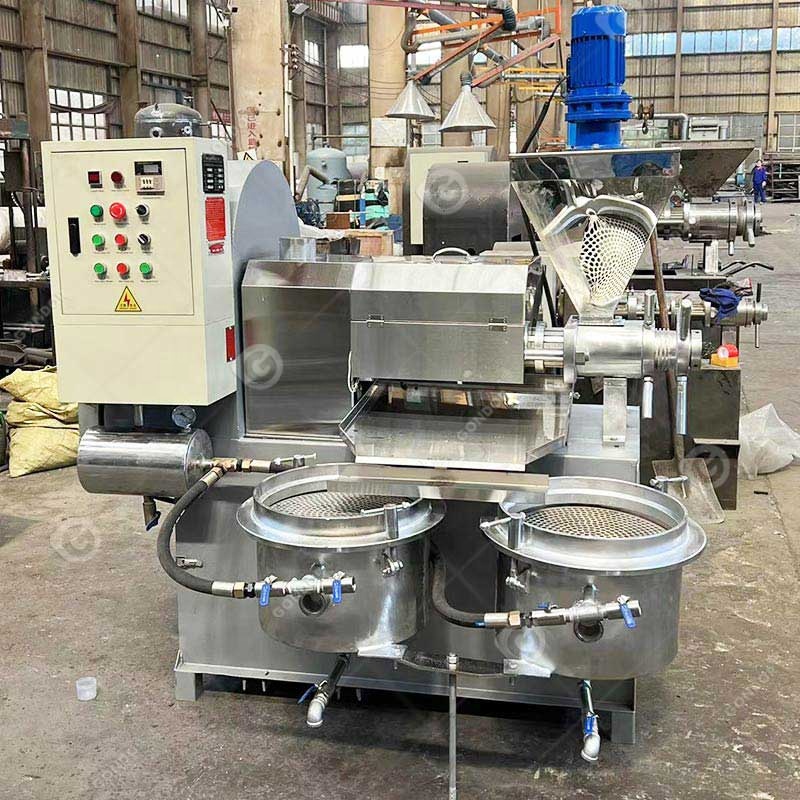
Investing in a quality automatic cleaning peanut oil press brings the benefits of fresh, natural cooking oil directly to your kitchen. With the right model, you'll enjoy healthier meals, cost savings over store-bought oils, and the satisfaction of knowing exactly what goes into your family's food.
Discover the Penguin Group Automatic Cleaning Peanut Oil Press Collection
Remember that the best oil press for your home depends on your specific needs and kitchen environment. Take time to evaluate your space, usage patterns, and feature priorities before making this valuable addition to your home kitchen appliances.
.jpg?x-oss-process=image/resize,h_1000,m_lfit/format,webp)
.jpg?x-oss-process=image/resize,h_1000,m_lfit/format,webp)