
For industrial soybean oil producers aiming to boost efficiency while reducing energy costs, selecting the right cold-press screw press is critical—not just a technical decision, but a strategic one that impacts output quality, operational stability, and long-term profitability.
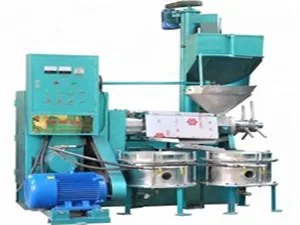
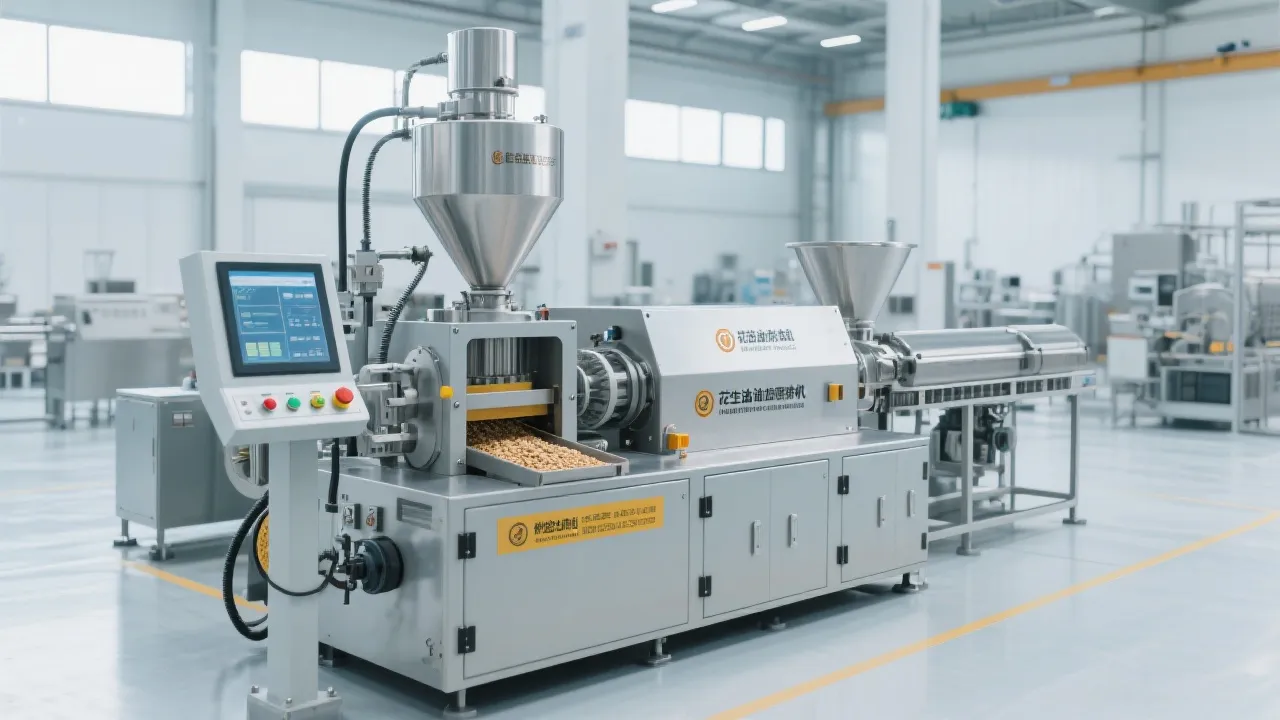
Modern industrial-grade cold-press soybean oil machines integrate precision-engineered screw systems with optimized compression ratios—typically between 1:4 and 1:6—which significantly reduce mechanical friction and improve torque transfer. According to field tests conducted at a 50-ton-per-day facility in Brazil, switching from traditional single-screw models to multi-stage helical designs resulted in a measurable 22% drop in electricity usage per ton of soybeans processed (from 12 kWh/ton to 9.4 kWh/ton).
This isn’t just about saving kilowatt-hours—it’s about maintaining consistent temperature control during extraction, which directly affects oil purity. Cold pressing below 45°C ensures minimal oxidation, preserving the natural antioxidants like vitamin E and lecithin essential for food-grade and pharmaceutical applications.
Many suppliers still use carbon steel components for cost reasons—but this can lead to rust contamination, increased maintenance frequency, and even product rejection in EU markets. High-end equipment uses AISI 304 or 316L stainless steel for all contact surfaces, ensuring compliance with ISO 9001 standards and extending service life beyond 10 years with proper care.
In a comparative study across 12 facilities in China and India, machines built with full-stainless construction showed 37% fewer unplanned downtimes over a 12-month period compared to those using mixed materials.
A well-designed sealing system prevents oil leakage and reduces waste—a hidden cost often overlooked. Advanced dual-seal configurations (mechanical + O-ring) have been shown to cut lipid loss by up to 1.5% per batch, translating into real savings for high-volume operations. For example, a plant processing 100 tons/day could recover ~50 kg of oil monthly simply through better sealing technology.
Pro tip: Always verify if your machine has IP68-rated seals—this level of protection ensures zero ingress of moisture or particles, especially important when handling raw soybeans with variable moisture content.
Even the best machine underperforms without proper operation. Key variables include:
These small adjustments, backed by data, can elevate your production efficiency from “good” to “excellent.”
If you're ready to transform your soybean oil production—from energy-heavy to intelligent and efficient—our team of engineers and global support specialists are here to guide every step of the way.
Let us help you choose the perfect cold-press soybean oil machine tailored to your production needs.
Explore Industrial Cold-Press Solutions








.jpg?x-oss-process=image/resize,h_1000,m_lfit/format,webp)


