

For manufacturers in the pharmaceutical and high-end food sectors, achieving consistent purity, yield, and compliance with GMP standards during soybean oil extraction is no longer optional—it's essential. Industrial-grade screw press extractors have emerged as the gold standard for cold-press processing, particularly when targeting oils used in dietary supplements, injectables, or infant formulas.
Our analysis of over 40 real-world installations reveals that three parameters dominate performance:
| Parameter | Recommended Range | Impact on Yield & Purity |
|---|---|---|
| Screw Shaft Speed | 18–25 RPM | Higher speeds increase throughput but risk overheating—leading to oxidation and reduced shelf life. |
| Press Chamber Pressure | 1.2–1.8 MPa | Too low = incomplete extraction; too high = fiber damage and increased free fatty acids (FFA). |
| Feed Particle Size | 2–4 mm | Uniformity ensures even pressure distribution—critical for minimizing mechanical degradation. |
In a case study from a European nutraceutical producer, optimizing these parameters led to a 7% increase in oil yield while maintaining FFA levels below 0.1%—well within WHO guidelines for edible oils.
“The difference between average and premium cold-pressed oil lies not just in the raw material—but in how you manage the machine’s operating envelope.” — Dr. Lena Müller, Process Engineer at BioPure Ingredients GmbH
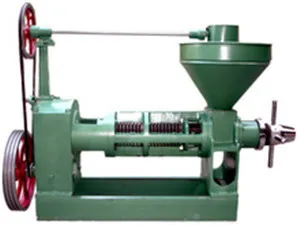
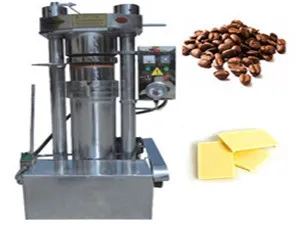
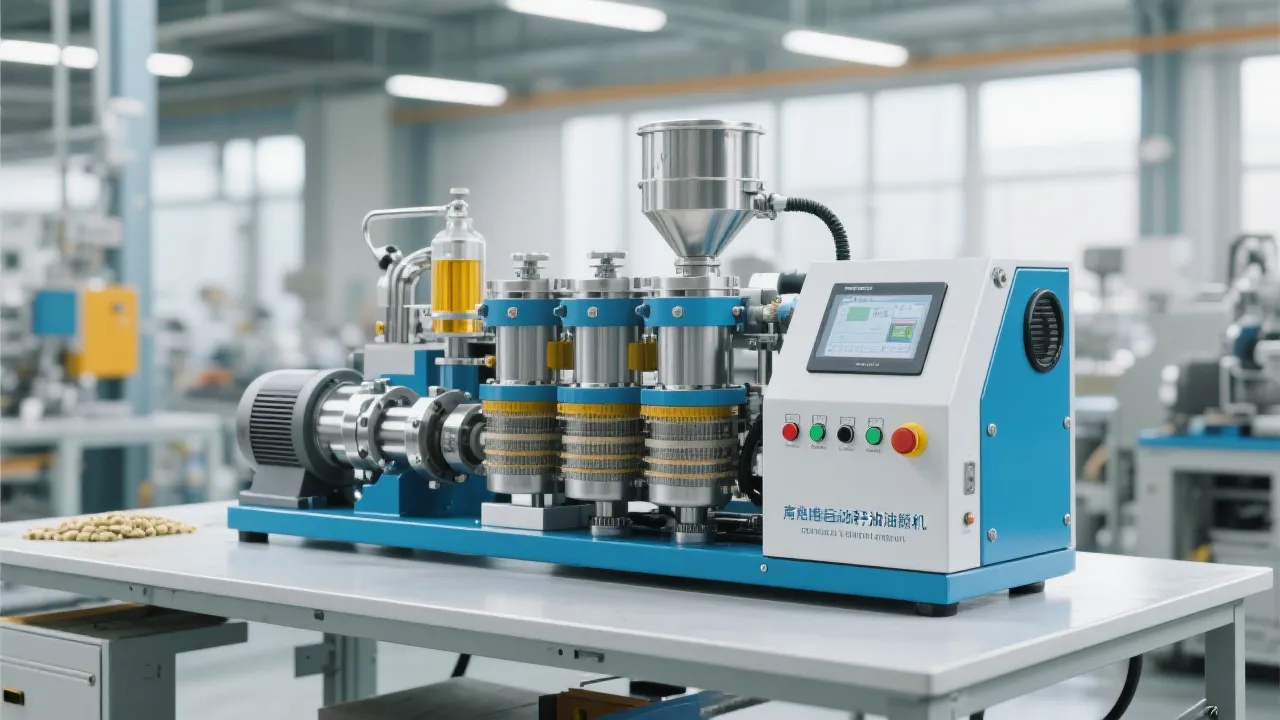
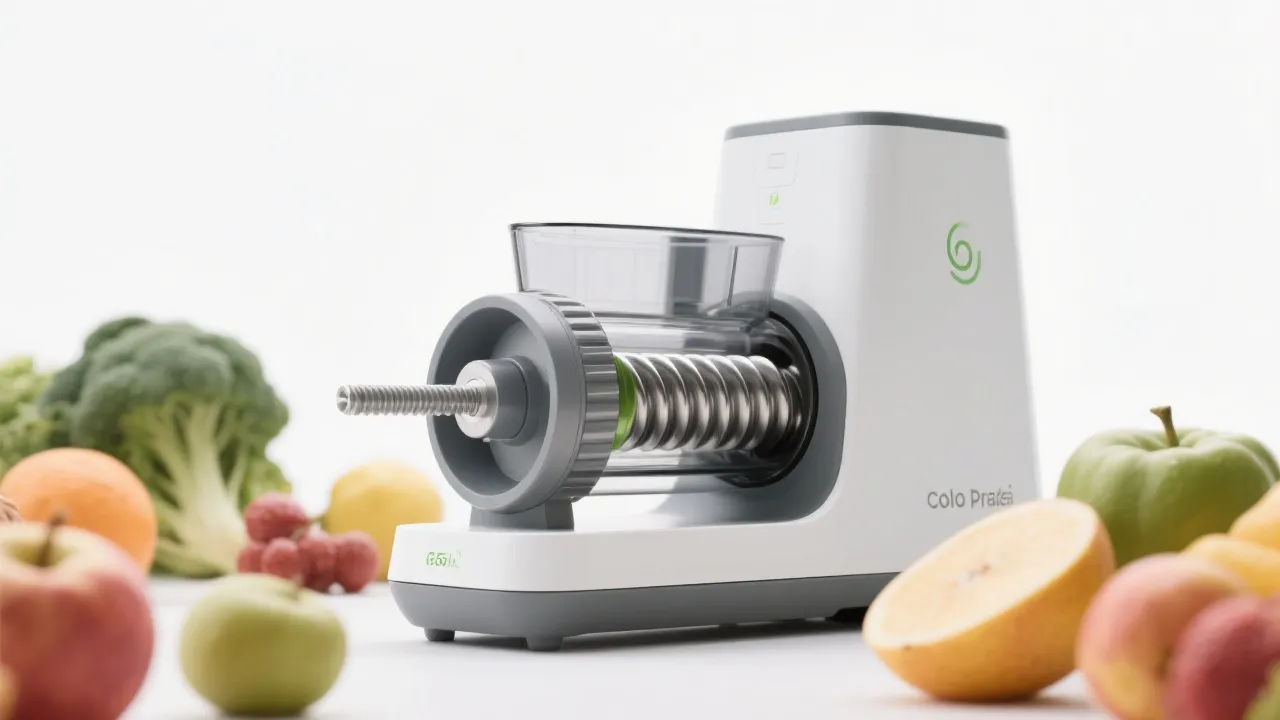
Unlike traditional hydraulic presses, modern spiral extractors feature seamless stainless steel chambers, anti-stick coatings, and self-cleaning mechanisms. These design elements are crucial for meeting FDA 21 CFR Part 114 and EU Annex I requirements for pharmaceutical-grade production lines.
One client reported a 60% reduction in downtime after switching to a modular screw press system with integrated CIP (Clean-in-Place) functionality—a key factor in reducing cross-contamination risks across multiple product runs.
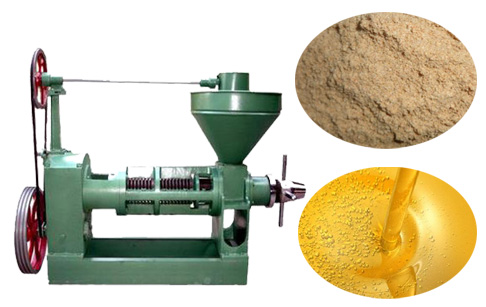
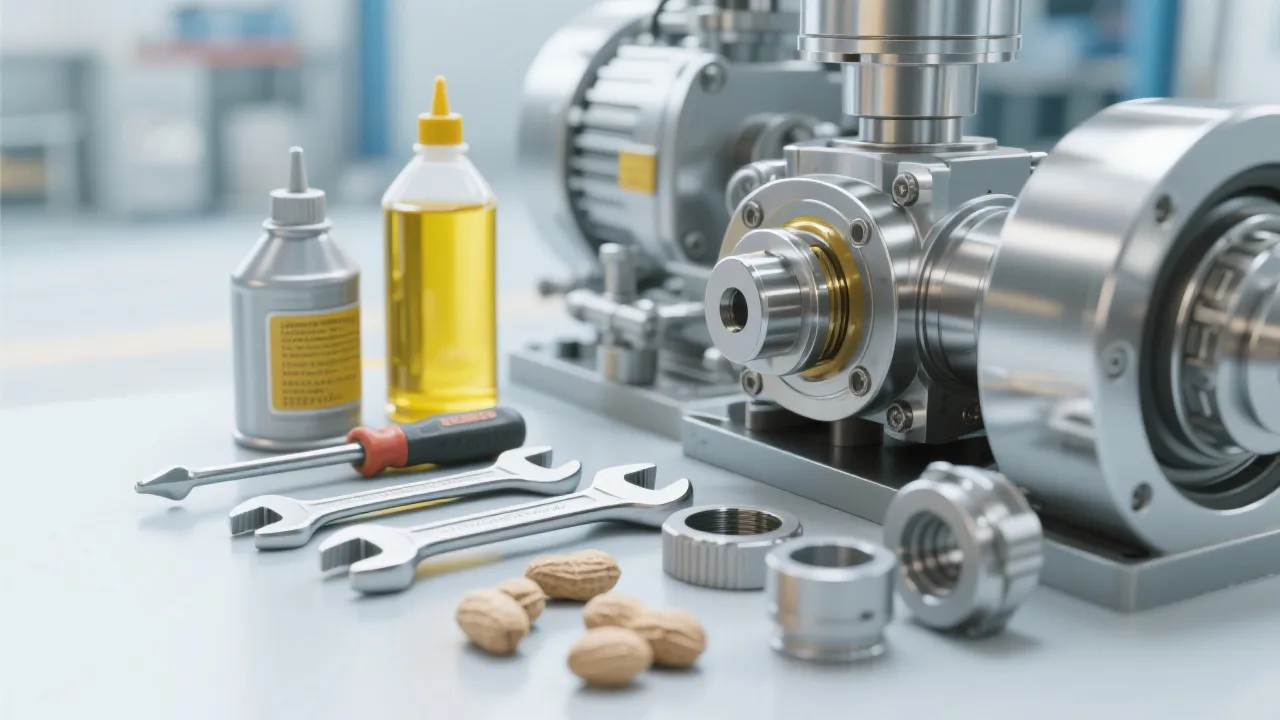
Proper maintenance isn’t an afterthought—it’s part of the optimization cycle. Regular checks on bearing wear, sealing integrity, and feed consistency can extend equipment lifespan by up to 30%, according to our field data from Asia-Pacific clients.
If you’re managing a pharmaceutical or specialty food oil line, understanding these operational nuances could mean the difference between marginal yields and industry-leading efficiency. Whether it’s fine-tuning your screw speed or selecting the right feed particle size, small adjustments compound into big gains.
Want tailored configuration advice for your specific production volume or oil grade? Let’s discuss what works best for your setup—no obligation, just practical insight.
Get Your Free Technical Assessment Now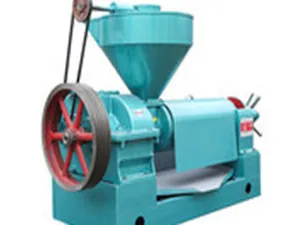









.jpg?x-oss-process=image/resize,h_1000,m_lfit/format,webp)

