
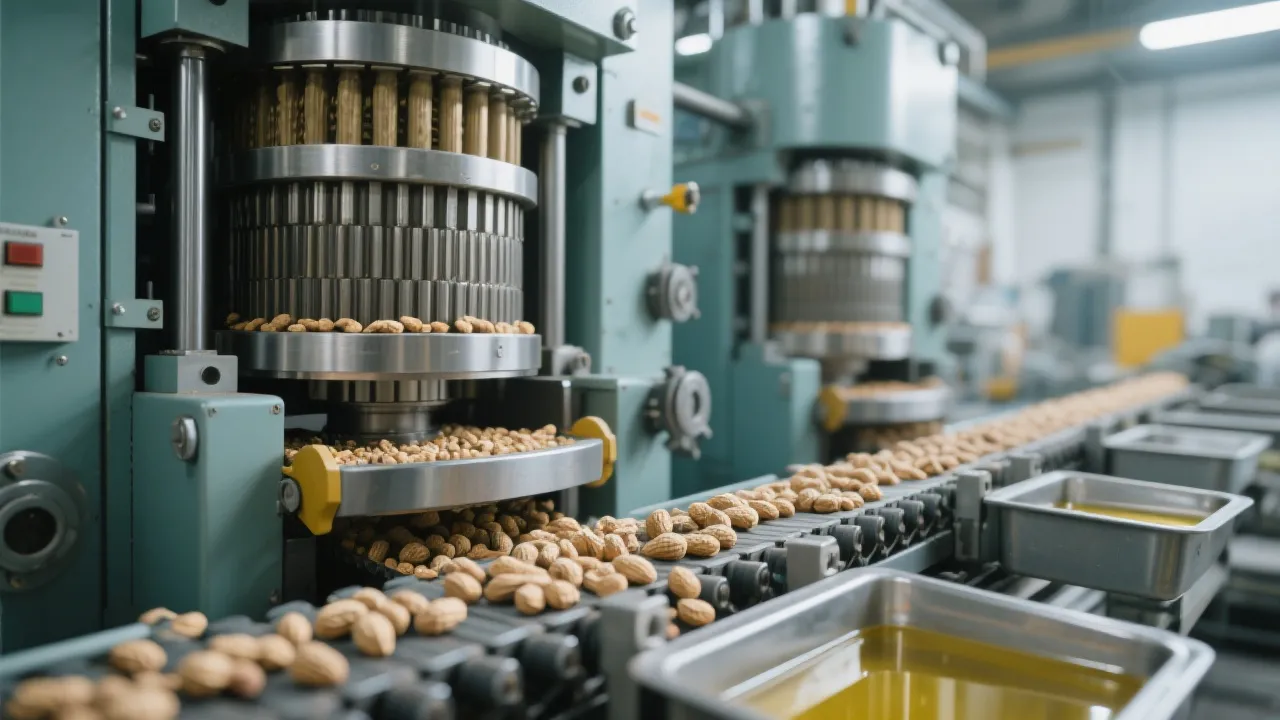
If you operate a small-scale business using a cold-press sunflower seed oil machine, you’re likely familiar with the operational challenges that can affect output and equipment longevity. In this article, we delve into essential maintenance practices and performance optimization techniques that ensure your equipment runs efficiently, maximizes oil yield, and minimizes costly downtime.
Successful cold pressing begins long before the seeds reach your machine’s hopper. Proper pre-treatment—especially cleaning and dehulling—removes impurities and husks that not only improve oil purity but also prevent premature equipment wear. Industry data shows that seeds with excessive foreign matter can reduce oil yield by up to 10%.
Tip: Implement a standardized cleaning procedure using sieves and airflow separation to maintain consistent feedstock quality.
Moisture content in sunflower seeds directly affects the pressing efficiency and the oil’s stability. Optimal moisture levels should be maintained between 8% and 10% to ensure smooth extraction without clogging or excessive residue.
Practical advice: Regularly measure seed moisture using digital moisture meters and allow drying adjustments before pressing. Overly dry seeds can fracture equipment components, while overly wet seeds reduce oil release.
The applied pressure during cold pressing is pivotal. Insufficient pressure leads to low oil extraction rates, while excessive pressure risks overheating and degrades oil quality. Typically, pressure ranges from 150 to 250 bar are recommended for sunflower seeds.
Equipment maintenance note: Monitor pressure gauges regularly and adjust the pressing speed to maintain these parameters, since a gradual increase in pressure often correlates with improved oil yield—potentially up to a 7% increase when optimized correctly.
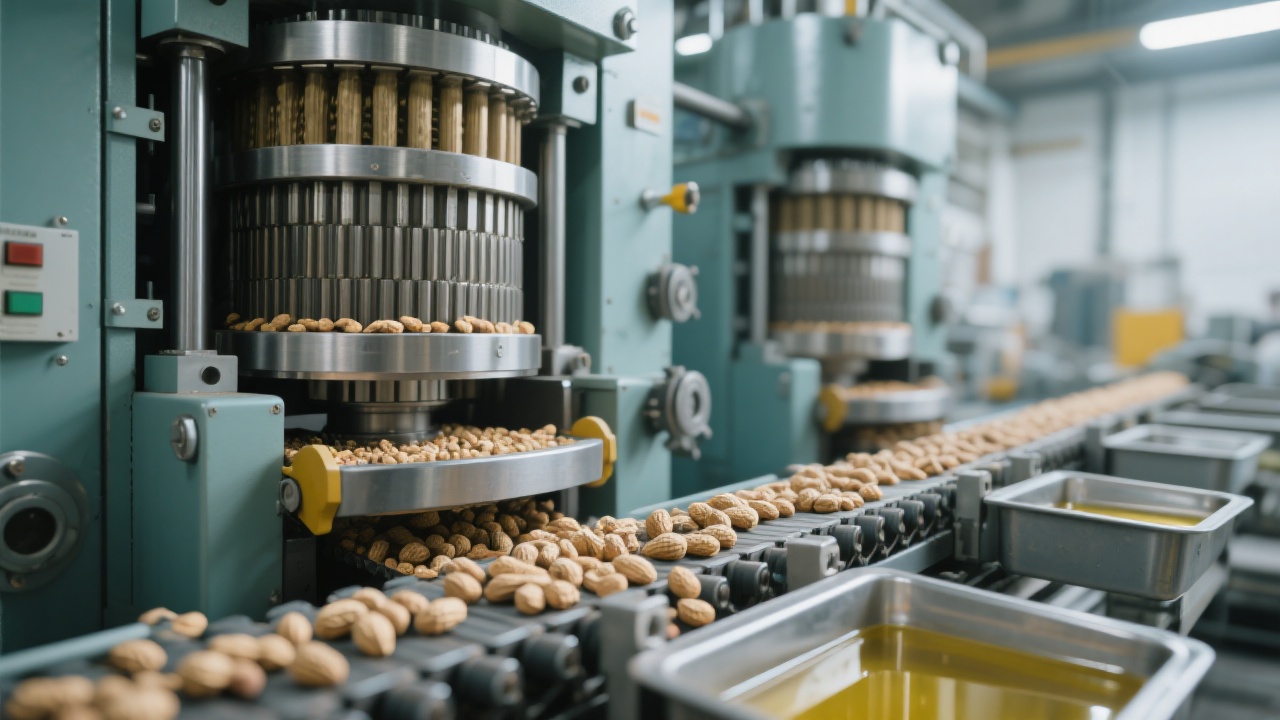
Low oil yield is a frequent concern and usually results from a combination of factors:
Incorporating routine inspection and calibration every 200 operational hours can reduce unexpected yield drops by up to 15%, based on field reports.
“Our technicians observe that consistent adherence to moisture control and pressure settings translates to a 20-25% increase in equipment uptime. Preventive maintenance outperforms reactive fixes every time.” – Senior Process Engineer
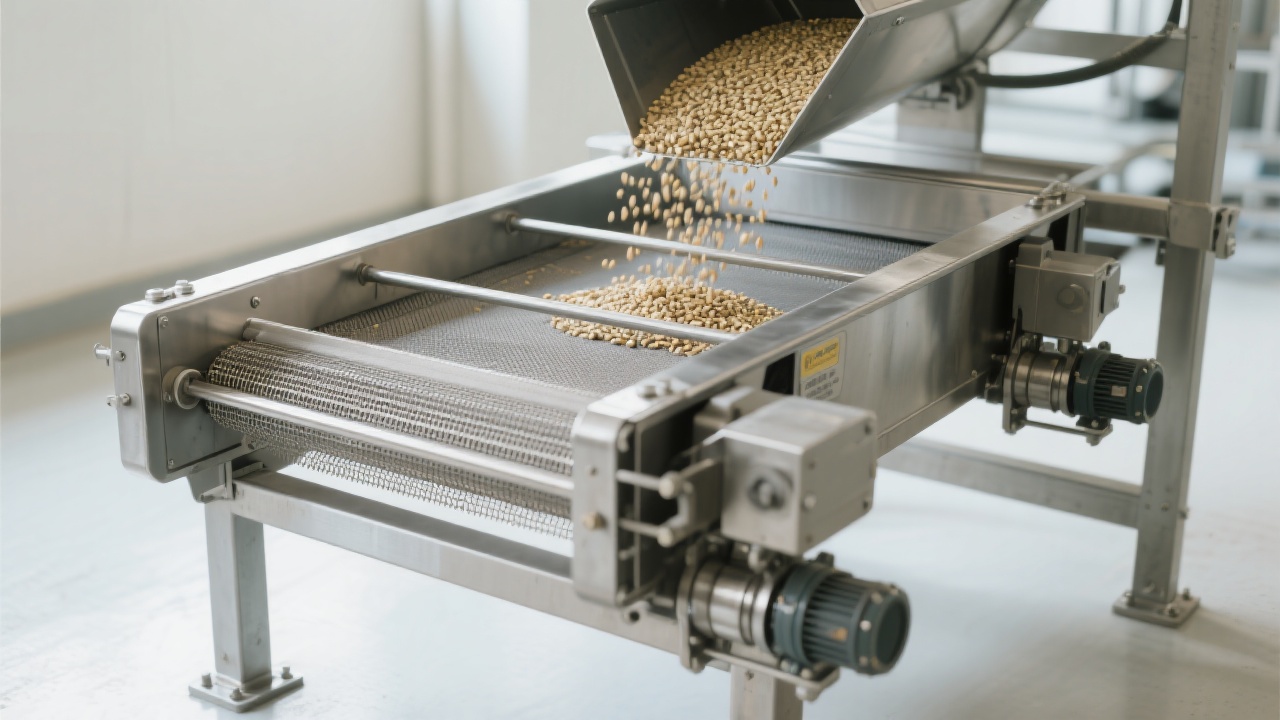
Establishing clear SOPs benefits new operators and reduces operational variability. Below are key steps illustrated in our process flowchart to minimize error and maximize throughput:
| Step | Action | Checkpoints |
|---|---|---|
| 1 | Seed Cleaning & Dehulling | No debris, seed size uniformity |
| 2 | Moisture Measurement & Adjustment | Maintained between 8-10% |
| 3 | Press Pressure & Temperature Monitoring | Pressure at 150–250 bar; temp below 50°C |
| 4 | Routine Equipment Inspection | Every 200 hours; check screw wear |
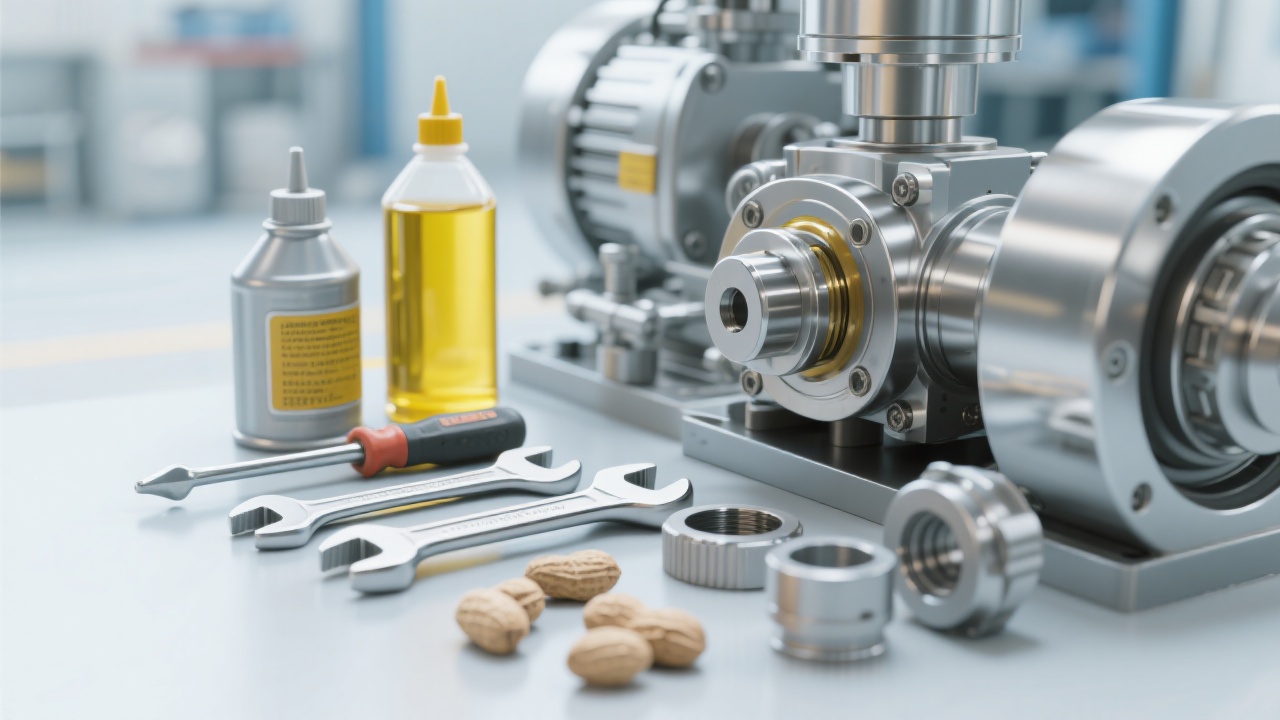
Have you encountered specific challenges with your cold-press sunflower seed oil machine? What techniques or maintenance routines have delivered noticeable improvements? Share your insights and questions in the comment section below to foster a knowledge-sharing community dedicated to enhancing small-scale oil production.
 <#else>





