
When was the last time you checked the ingredient list on your cooking oil bottle? Most store-bought oils undergo extensive processing that strips away valuable nutrients while adding unnecessary chemicals. But what if you could take control of your family's health by pressing oil right in your kitchen? Today, we're exploring the critical differences between cold-pressed and hot-pressed technologies in home oil extractors, and how Penguin Group's innovations are revolutionizing home nutrition.
At its core, oil extraction is about separating the lipid-rich components from seeds, nuts, or fruits. The method you choose dramatically impacts both nutritional quality and flavor profile.
Did you know? According to the International Food Research Journal, heat processing above 120°C can reduce vitamin E levels in oils by up to 47% and destroy up to 32% of beneficial plant sterols.
Cold pressing technology uses mechanical pressure—typically between 300-500 psi—to extract oil at temperatures below 49°C (120°F). This gentle process preserves the oil's natural structure, maintaining its nutritional integrity and original flavor profile.

Hot pressing involves pre-heating seeds to 120-160°C before extraction. While this method yields 10-15% more oil, the high temperatures trigger chemical changes: unsaturated fatty acids oxidize, fat-soluble vitamins degrade, and potentially harmful compounds can form.
High-temperature processing doesn't just reduce nutrients—it creates new compounds you don't want in your diet. When polyunsaturated fats are heated, they undergo oxidation, producing free radicals that contribute to cellular damage and inflammation in the body.
.jpg)
While nutrition is paramount, a home oil press must fit seamlessly into your lifestyle. Let's examine the practical aspects that matter in your kitchen:
Modern cold press machines like those from Penguin Group feature intuitive controls and detachable parts that make cleaning a breeze. Most models can be disassembled in under a minute and cleaned with a simple brush or mild soap.
Despite the misconception that cold pressing uses more energy, quality home cold press machines typically consume 150-300 watts during operation—comparable to a small kitchen appliance. A typical batch of 500ml oil takes 15-20 minutes, costing just pennies in electricity.
With proper care, a quality cold press machine should last 5-7 years. Routine maintenance is minimal: occasional lubrication of moving parts and cleaning after each use. Hot press machines often require more frequent maintenance due to residue buildup from heat processing.
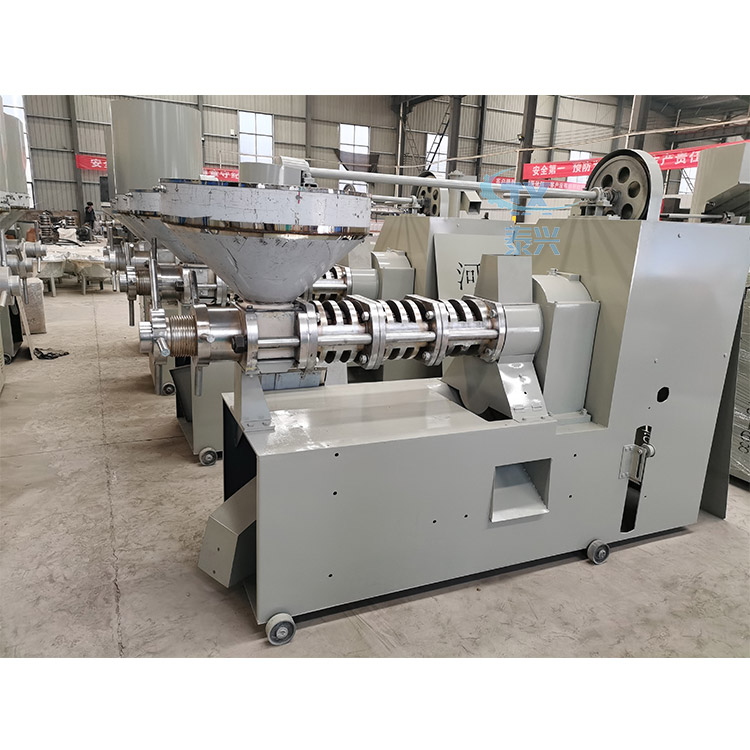
While cold-pressed oils have lower smoke points than refined oils (typically 160-190°C), they're perfect for sautéing, baking, and salad dressings. For high-heat frying above 200°C, consider blending cold-pressed oils with more heat-stable options.
When stored in a cool, dark place in an airtight container, most cold-pressed oils remain fresh for 3-6 months—longer than many store-bought oils that may have been sitting on shelves for months before purchase.
Yes! Quality home oil presses handle various seeds including sunflower, sesame, flax,核桃(walnuts), and杏仁. Simply clean the machine between different seeds to prevent flavor mixing.
Discover how Penguin Group's cold press technology can help your family enjoy fresher, more nutritious oils every day.
Find Your Perfect Home Oil Press TodayImagine the satisfaction of serving meals made with oil you pressed yourself—knowing exactly what went into it and that every drop is packed with the nutrients your family needs. The choice between cold and hot pressing isn't just about technology; it's about the quality of life you want to create in your home.

.jpg?x-oss-process=image/resize,h_1000,m_lfit/format,webp)