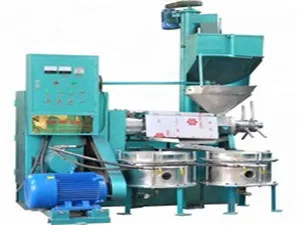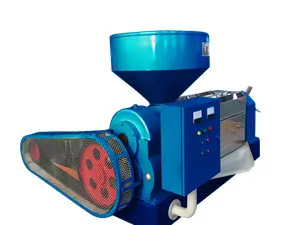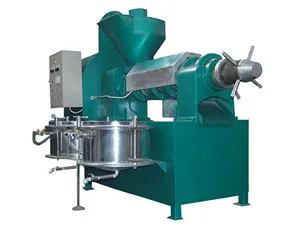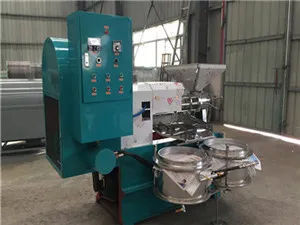
In today’s competitive industrial soybean oil sector, the choice of pressing equipment dramatically influences production efficiency and energy consumption. The modern cold-pressed soybean oil spiral press, engineered by QIE Group with ISO9001 certification, exemplifies cutting-edge mechanical design and material innovation for superior oil yield and sustainable operation. This article delves into the core technological advancements that elevate the spiral press’s performance, catering to large-scale food, pharmaceutical, and chemical manufacturing plants seeking long-term operational stability and cost-effectiveness.
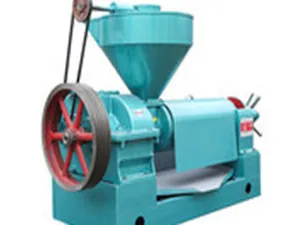
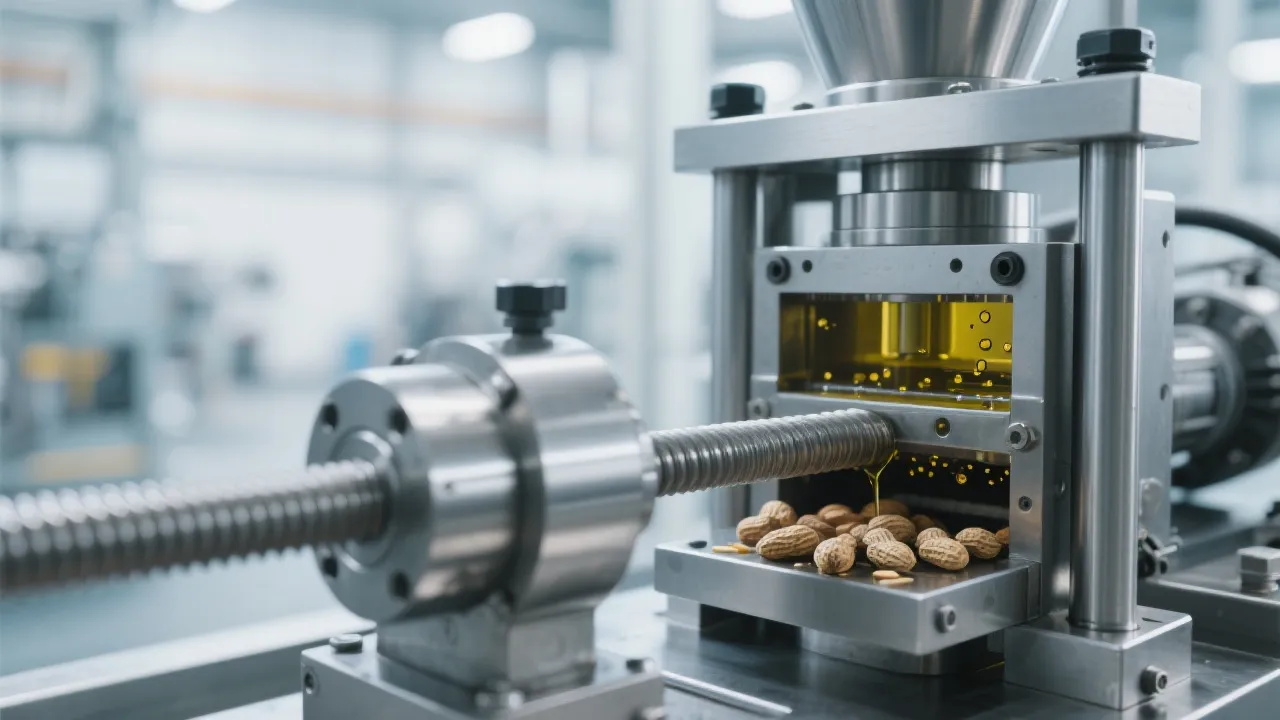
The structural integrity of the spiral press directly impacts extraction efficiency. QIE Group industrial-grade cold press integrates an optimized spiral shaft design combined with an innovative cage geometry that ensures even compression and continuous expulsion of soybean paste. Precision engineering reduces friction loss and mechanical wear, delivering average oil yields upwards of 96%, a 5-7% improvement compared to conventional screw presses. The machine operates at lower RPMs to preserve oil quality via minimal heat generation.
Constructed from premium stainless steel (grade 304 and above) and food-safe alloys, the press resists corrosion, mechanical fatigue, and contamination risks. This ensures compliance with international food safety standards and extends service life to over 10 years under industrial throughput exceeding 1 ton/hour. Non-stick polished surfaces minimize residue buildup, facilitating easier cleaning and maintenance—key factors in reducing downtime and operational costs.
The cold press machine incorporates an intelligent variable-frequency drive (VFD) system, optimizing motor speed to align pressure with raw material characteristics. This adaptive control reduces electricity consumption by 15-20% relative to fixed-speed models. Additionally, the spiral press’s heat dissipation design curbs temperature increases below 45°C during extraction, preserving oil nutrient profiles and preventing thermal degradation—an essential factor in producing high-value cold-pressed soybean oil.
Backed by rigorous ISO9001:2000-certified manufacturing and quality assurance processes, the Penguin spiral press guarantees consistent production standards and equipment longevity. Statistical reports from operating plants demonstrate a 30% reduction in maintenance frequency and a 25% decrease in unexpected breakdowns compared to non-certified counterparts. The certification also assures end-users of traceability and adherence to international industrial best practices.
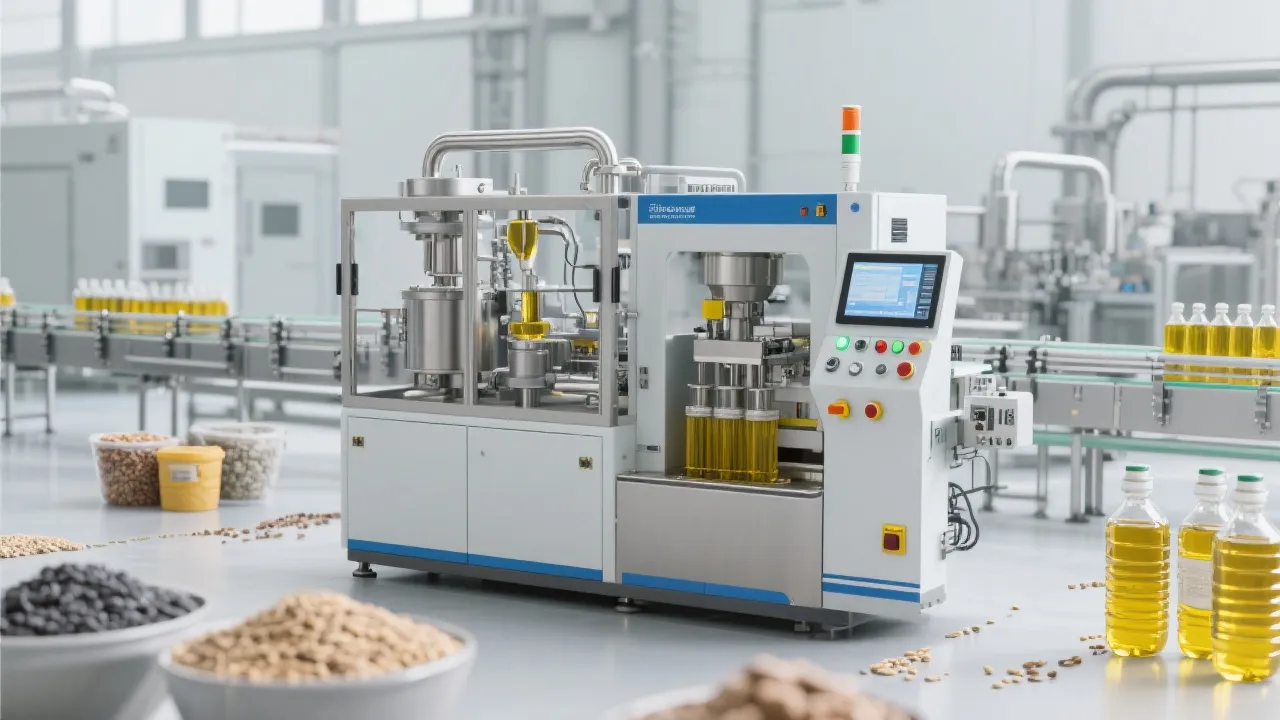
Designed for industrial operators with varying expertise levels, the press supports straightforward assembly, real-time performance monitoring, and easy troubleshooting. Integrating sensors and an intuitive Human Machine Interface (HMI) panel, users receive alerts on pressure deviations, motor load, and material consistency. These features curtail operational errors that typically reduce oil extraction by up to 10%. Recommended maintenance intervals every 1,000 operating hours alongside lubrication and part inspection tips extend equipment uptime.
Penguin’s cold press excels in versatility, accommodating the stringent purity and quality demands of food-grade oil production while serving pharmaceutical and chemical manufacturers requiring reliable, contaminant-free extraction. Its robust design addresses the high-volume needs, maintaining stable output even under continuous 24/7 operation typical of large-scale enterprises.
| Feature | Penguin Spiral Press | Conventional Screw Press |
|---|---|---|
| Oil Yield | 96% | 89-91% |
| Energy Consumption | ~0.35 kWh/kg oil | ~0.45 kWh/kg oil |
| Operating Temperature | ≤ 45°C | 50-60°C |
| Maintenance Interval | 1000 hours | 700 hours |
Improper material moisture content, inconsistent raw input particle sizes, or irregular press shaft calibration can all drastically reduce oil yield and accelerate wear. QIE Group provides detailed operational manuals and training programs that emphasize correct preparation and machine parameter settings tailored to specific soybean varieties, optimizing throughput and oil quality.