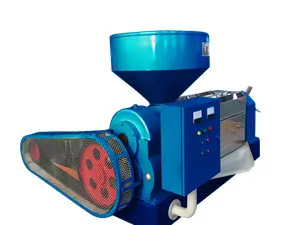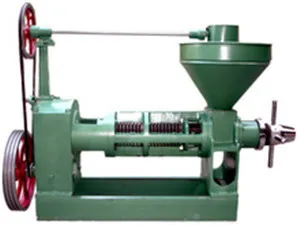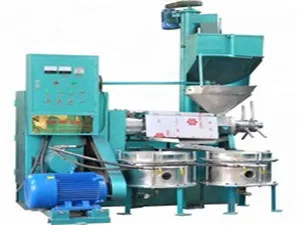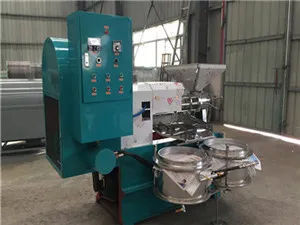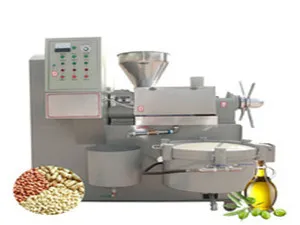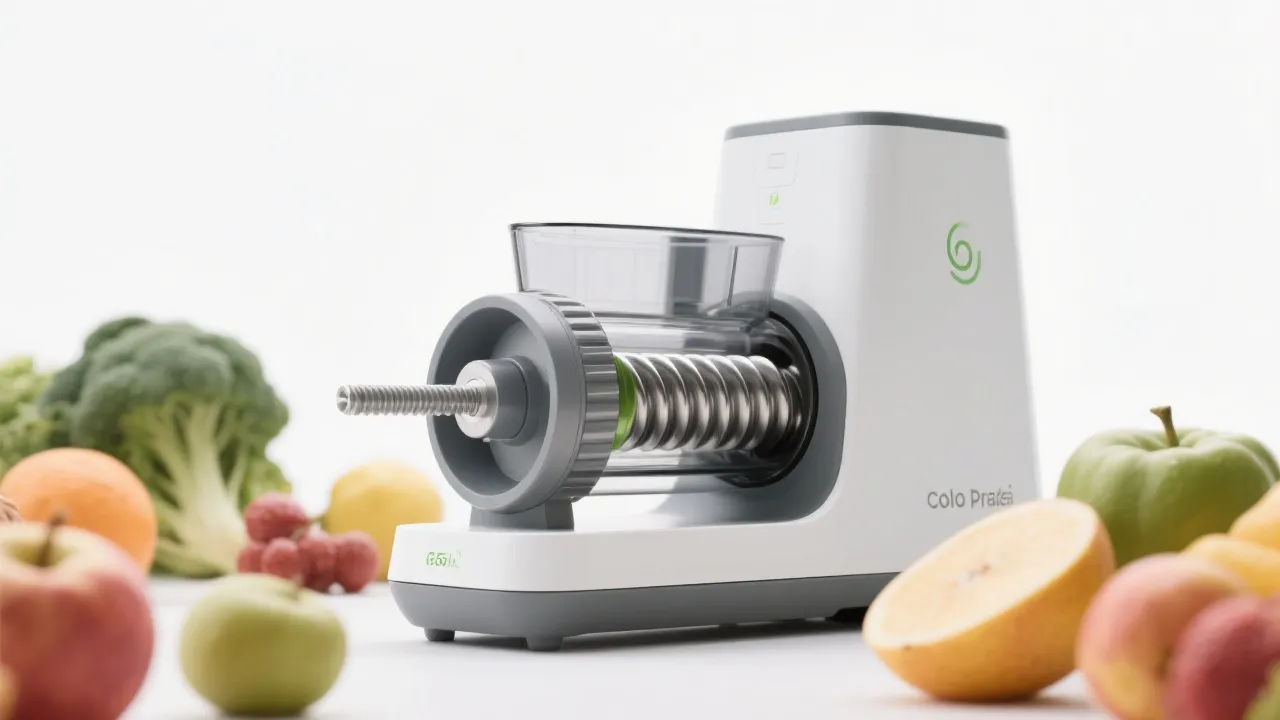
In the industrial production of cold-pressed soybean oil, enhancing the oil yield is a crucial concern for production managers and technicians. This article delves into the adjustment techniques of the core parameters of screw oil presses, guiding you through the process of achieving efficient low-temperature pressing step by step.
Cold pressing is a process that extracts oil at low temperatures, typically below 60°C. This method preserves the natural nutrients and flavors of the oil, making it highly suitable for the food and pharmaceutical industries. In the pharmaceutical sector, cold-pressed oils are often used as raw materials due to their high purity and low risk of chemical contamination.
For example, in the production of some high-end health supplements, cold-pressed soybean oil can provide a clean and natural source of essential fatty acids. According to industry research, cold-pressed oils can retain up to 95% of the original nutrients compared to traditional hot-pressing methods.
Several factors influence the oil yield and quality of cold-pressed soybean oil, including the rotation speed of the screw shaft, the pressure in the pressing chamber, and the feeding method. Let's take a look at a parameter comparison table to better understand their impact:
| Parameter | Optimal Range | Impact on Oil Yield | Impact on Oil Quality |
|---|---|---|---|
| Screw Shaft Rotation Speed | 20 - 30 r/min | A higher speed within this range can increase the oil yield by about 5 - 8%. | A stable speed helps maintain the oil's clarity and nutritional value. |
| Pressing Chamber Pressure | 10 - 15 MPa | Proper pressure can improve the oil yield by 7 - 10%. | Excessive pressure may cause the oil to oxidize and reduce its quality. |
| Feeding Method | Uniform and continuous feeding | Ensures stable oil extraction and can increase the yield by about 3 - 5%. | Irregular feeding may lead to uneven pressing and lower oil quality. |
To achieve the best results, follow these practical steps when operating the screw oil press. First, adjust the feeding granularity to match the requirements of the press. Generally, the soybean particles should be between 2 - 3 mm in size for optimal oil extraction.
Second, control the rotation speed of the screw shaft carefully. If the speed is too high, the oil may contain more impurities; if it's too low, the oil yield will be affected. Third, optimize the pressure in the pressing chamber based on the actual situation. Regularly monitor and adjust these parameters to ensure stable production.
Proper maintenance is essential for the long - term stable operation of the screw oil press. Clean the equipment regularly, especially the pressing chamber and the screw shaft, to prevent the accumulation of residue. Lubricate the moving parts according to the manufacturer's instructions to reduce wear and tear.
In case of abnormal situations, such as a sudden drop in oil yield or an increase in oil impurities, check the parameters immediately. It could be due to a blockage, a worn - out part, or an incorrect parameter setting. By addressing these issues promptly, you can minimize production losses.
Let's look at a real - world case. A soybean oil production plant adjusted the parameters of their screw oil press according to the methods described above. After three months of operation, they achieved a 12% increase in oil yield and significantly improved the quality of the oil. The oil met the strict quality standards of both the food and pharmaceutical industries.
We hope this article has provided you with valuable insights into optimizing the oil yield of cold - pressed soybean oil. Do you have any questions or practical experiences to share? Please leave a message below and let's discuss!
Click to Get the PDF of Industrial Cold Pressing Operation Manual