

As food consumers worldwide shift toward clean-label and health-conscious products, cold-pressed sunflower oil is emerging as a premium alternative to traditional hot-pressed variants. According to Euromonitor International (2023), over 68% of European and North American households now prefer oils labeled “no additives” or “cold-pressed,” signaling a clear trend for small-to-mid-sized processors to adapt—or risk being left behind.
| Feature | Cold-Pressed | Hot-Pressed |
|---|---|---|
| Vitamin E Retention | Up to 95% | ~40–60% |
| Polyphenol Content | High (up to 150 mg/kg) | Low (< 50 mg/kg) |
| Flavor Profile | Mild, nutty, fresh | Slightly smoky, less refined |
These differences aren’t just academic—they translate directly into consumer preference. In a 2024 survey by NielsenIQ across the U.S., UK, and Germany, 73% of B2B buyers reported they would pay up to 15% more for cold-pressed oils if certified organic and traceable from farm to bottle.
Government incentives are accelerating this transition. The EU’s Farm to Fork Strategy mandates that by 2027, all new edible oil processing facilities must meet minimum energy efficiency standards—effectively favoring low-temperature methods like cold pressing. Similarly, in the U.S., USDA grants now cover up to 40% of equipment costs for sustainable food tech upgrades, especially for SMEs with under $5M annual revenue.

In Poland, a family-run processor named OleoPro upgraded its old screw press to a hydraulic cold-press system in Q2 2023. Within six months, their average price per liter increased by 18%, and repeat orders from German wholesale distributors rose by 35%. Their secret? Clear labeling (“Cold-Pressed • No Heat • Vitamin E Rich”) and direct access to third-party lab reports on polyphenols.
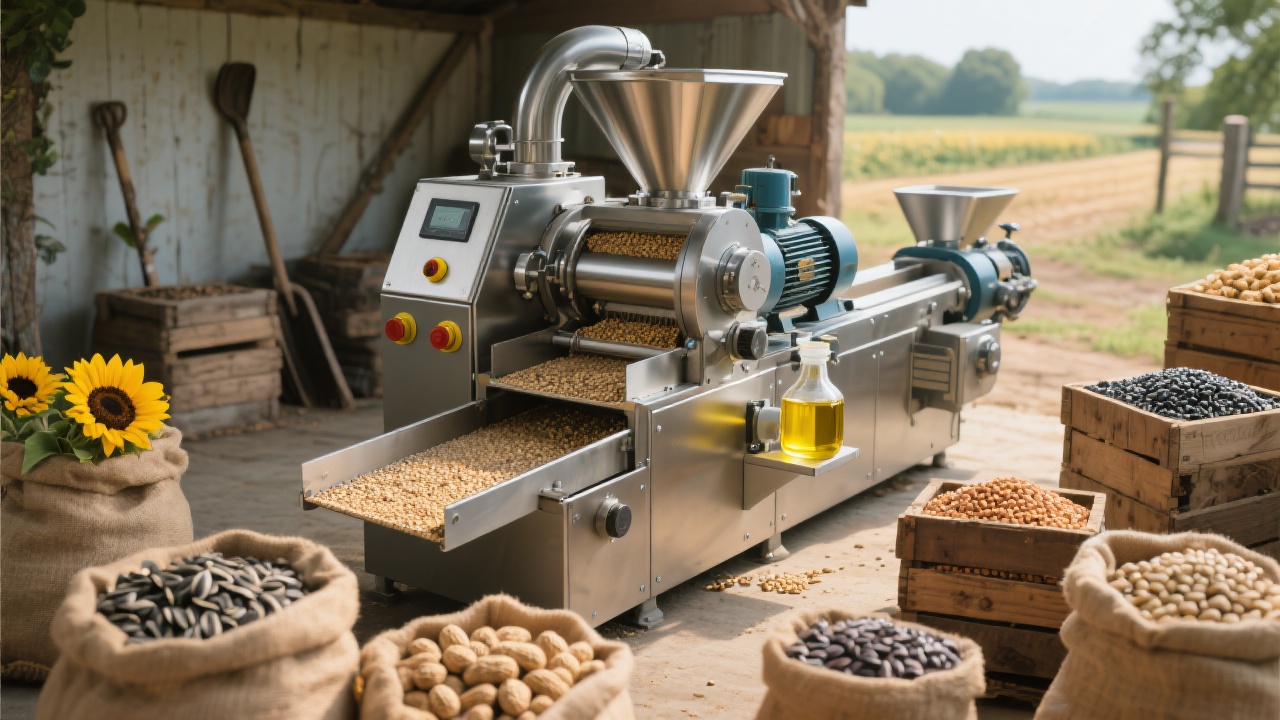
Download our free “Cold Press Transition Playbook”—including equipment specs, training checklist, and buyer-facing messaging templates.
👉 Get Your Free Cold Press Guide Now
 <#else>





