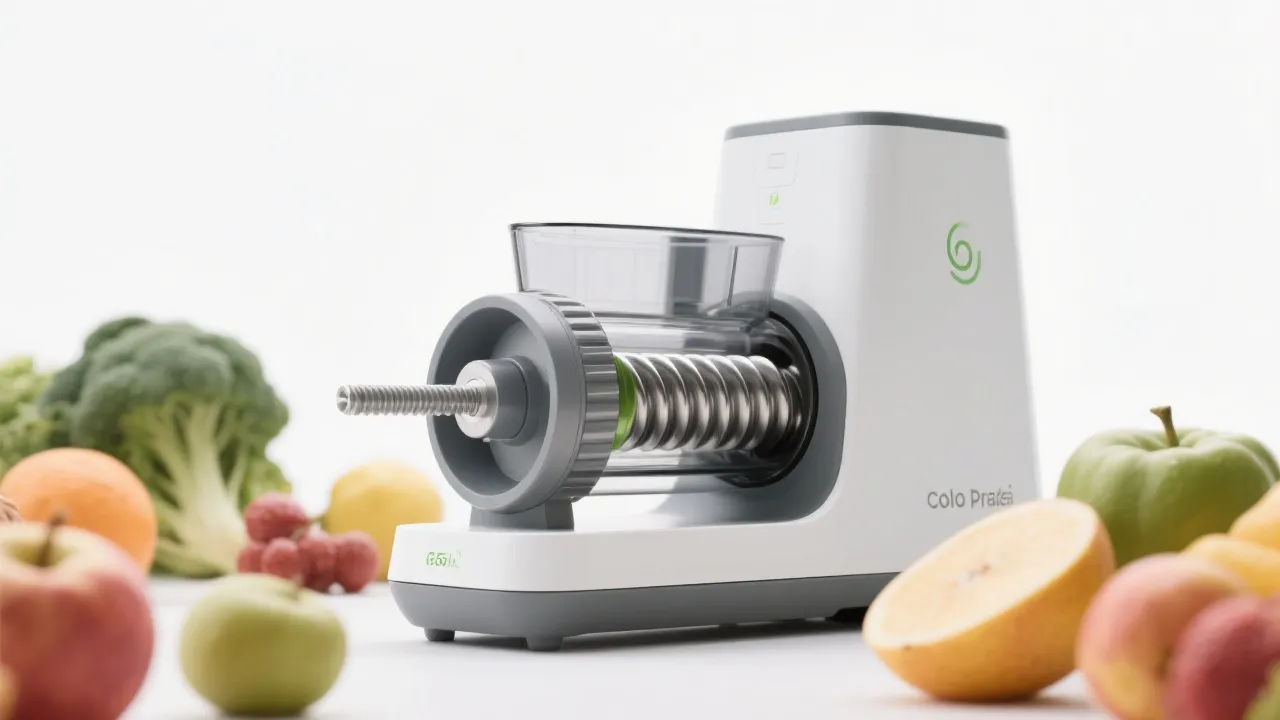

You’re not just making oil—you're creating value. And if you’re still relying on traditional hot-pressing methods, you’re leaving money on the table. The global shift toward clean-label, nutrient-rich foods is real—and it’s happening fast.
Let’s cut through the noise with hard data:
| Feature | Cold-Pressed | Hot-Pressed |
|---|---|---|
| Vitamin E (mg/kg) | 150–200 | 60–90 |
| Polyphenols (mg/kg) | 120–180 | 30–50 |
| Flavor Profile | Mild, nutty, natural | Slightly burnt, chemical note |
| Consumer Acceptance (EU Survey) | 78% prefer cold-pressed | 22% accept only for cooking |
According to a 2023 Euromonitor report, over 65% of European consumers now actively seek oils labeled “cold-pressed” or “unrefined.” This isn’t just a trend—it’s a behavioral shift driven by health-conscious buyers who understand that less processing = more nutrition.
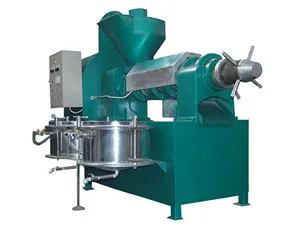
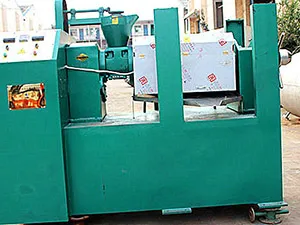
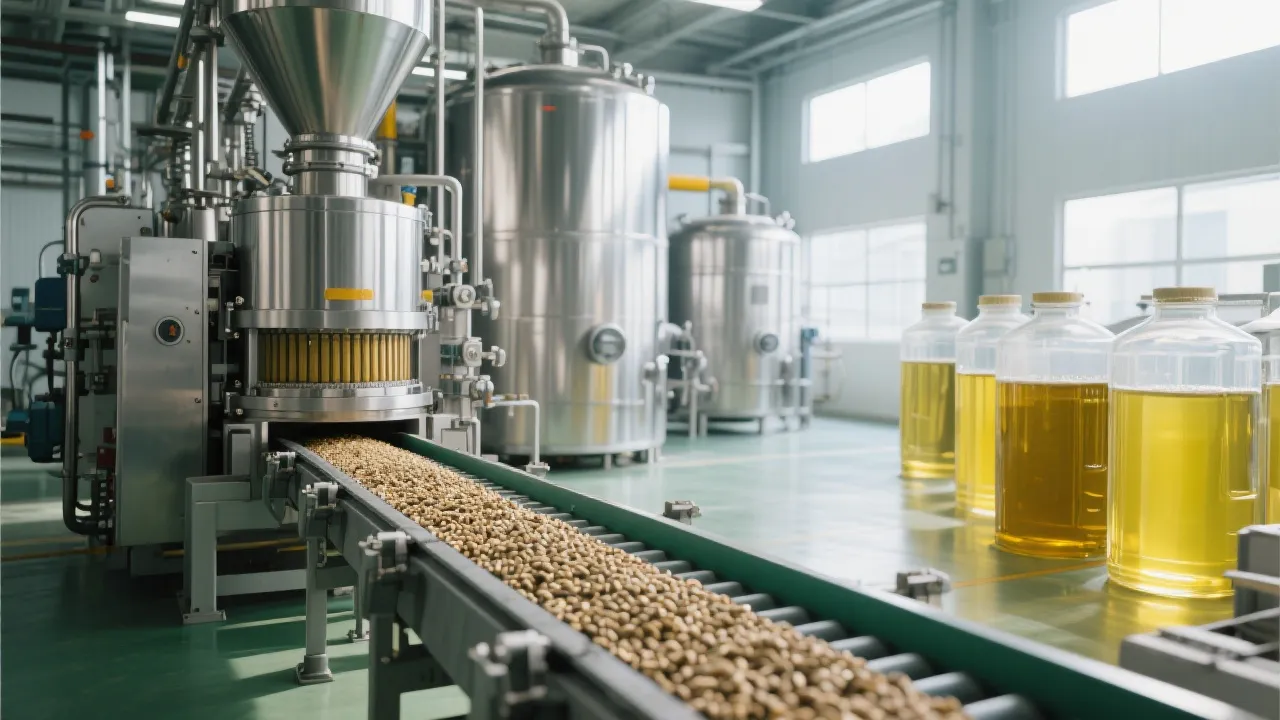
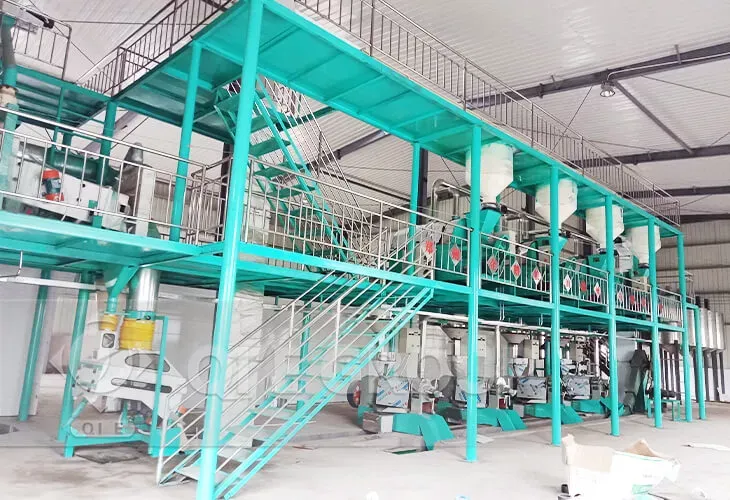
Here’s how your small factory can make the switch without disrupting operations:
Remember: It’s not about replacing your whole line overnight—it’s about launching one high-value product that builds trust and opens doors.
A family-run mill in Romania switched to cold-pressed sunflower oil last year. Within 9 months, they saw:
This wasn’t luck—it was strategy. And it’s replicable.
Nope. Modern cold presses use 20–30% less energy than old hot presses when optimized. Plus, lower temperatures reduce wear-and-tear on machinery.
Temporarily yes—but only for the first 2–3 weeks while staff adapt. After that, throughput stabilizes at 85–90% of original capacity, with much higher margins.
Start with ISO 22000 and HACCP. If targeting EU markets, add Non-GMO Project verification or EU Organic certification. These are non-negotiable for premium buyers.
Download our free “Cold Press Transition Playbook”—with equipment specs, training modules, and sample product sheets used by successful SMEs.
👉 Get the Free Playbook Now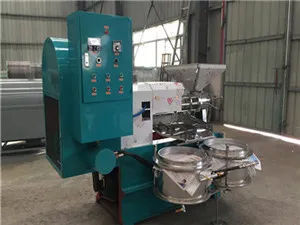


.jpg?x-oss-process=image/resize,h_1000,m_lfit/format,webp)
 <#else>