

In recent years, the rise of health-conscious consumption and green manufacturing policies has triggered a shift among small to medium-sized enterprises (SMEs) in the edible oil sector towards adopting cold-pressing technology for producing sunflower seed oil. Unlike conventional hot-pressing methods, cold pressing preserves vital nutrients such as vitamin E and polyphenols, meeting growing consumer demands for natural, additive-free oils. This article offers a comprehensive analysis of the nutritional differences between cold-pressed and hot-pressed sunflower oils, explores operational transition pathways for SMEs, and delivers actionable insights to help businesses stand out and thrive in today’s competitive marketplace.
Hot-pressing, the predominant extraction method in many traditional vegetable oil production processes, involves elevated temperatures above 120°C. This thermal exposure significantly degrades sensitive bioactive compounds, causing up to 40-60% loss of antioxidant components like vitamin E and polyphenols. Additionally, heat affects the oil’s flavor profile, often resulting in a less fresh, neutral taste which reduces its appeal to modern consumers seeking quality and authenticity. These nutritional and sensory shortcomings limit hot-pressed oil’s marketability, particularly as consumer preferences trend toward health-enhancing natural products.
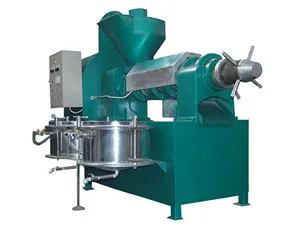
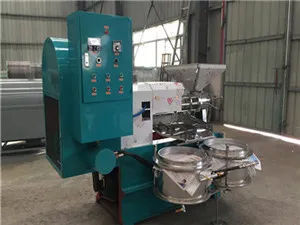
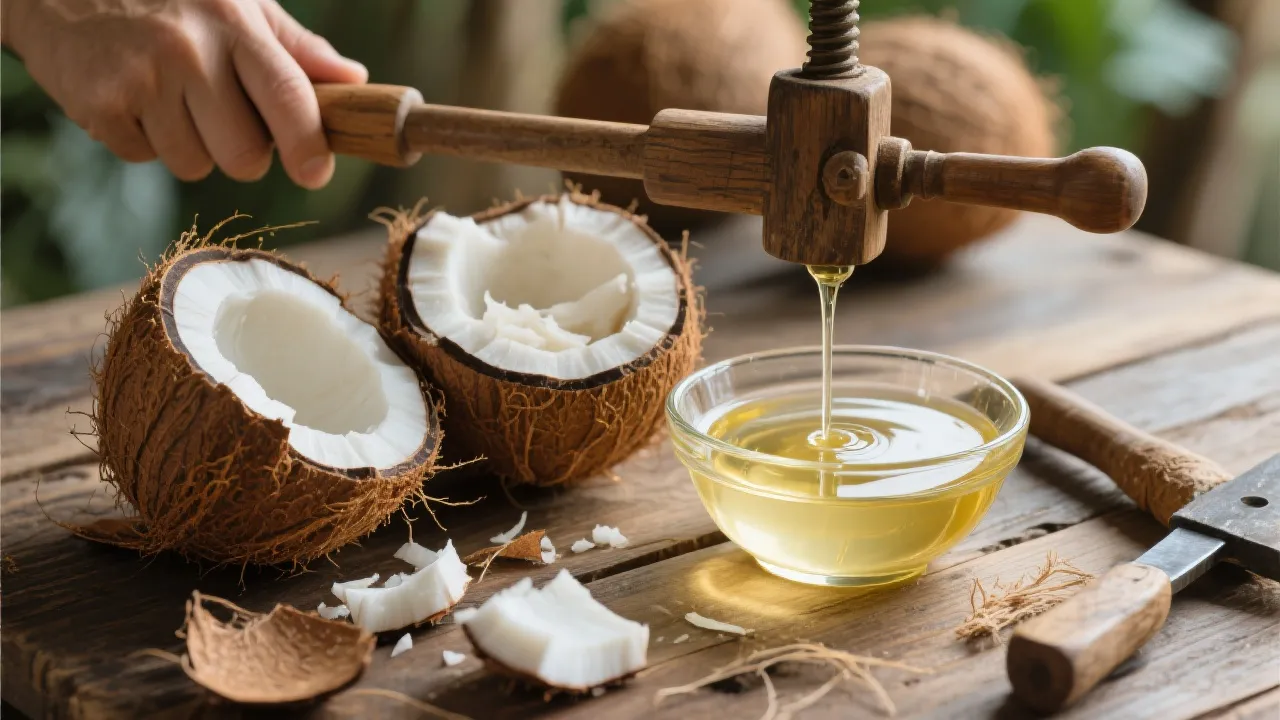
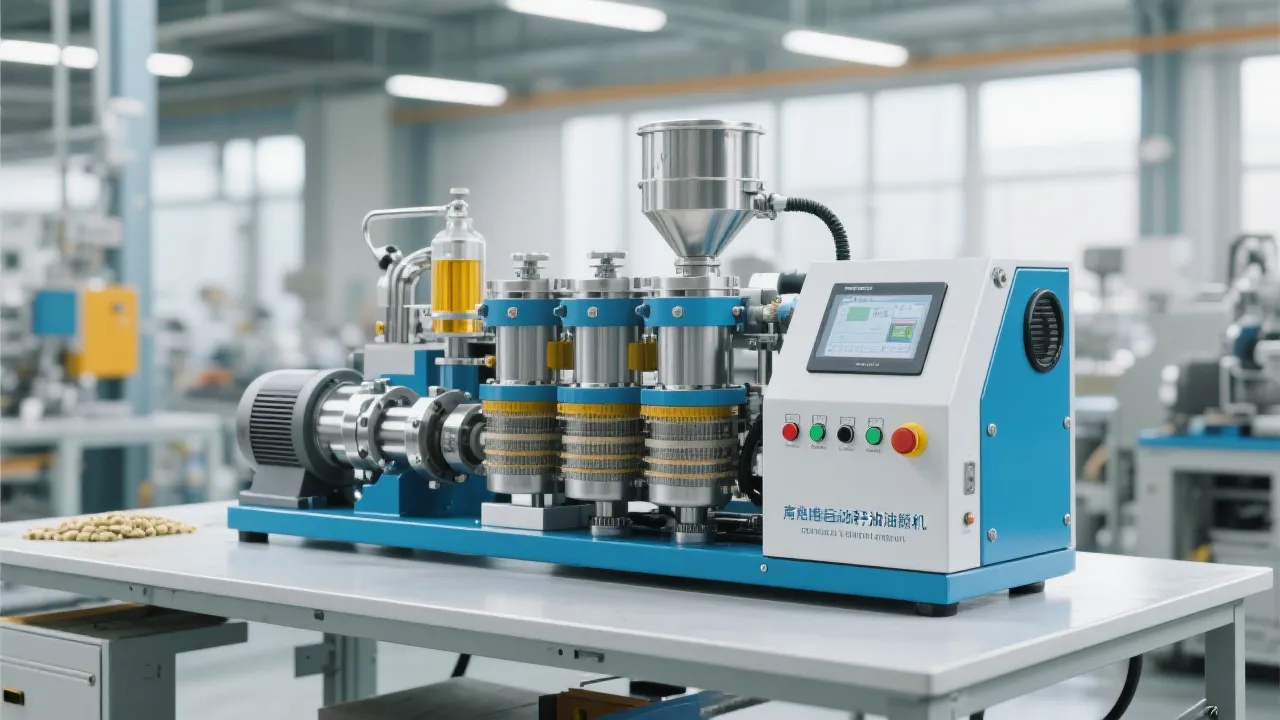
Cold pressing mechanically extracts oil at low temperatures, generally below 50°C, using screw presses that avoid heat generation. This gentler method preserves delicate nutrients — studies indicate that cold-pressed sunflower oil retains 90-95% of its original vitamin E content, compared to approximately 40-50% for hot-pressed counterparts. Moreover, the natural flavor and aroma are notably enhanced, providing a richer, more appealing sensory experience. These features position cold-pressed sunflower oil as a premium product aligned with clean-label trends and wellness-oriented consumer segments.
| Nutrient | Cold-Pressed Oil | Hot-Pressed Oil |
|---|---|---|
| Vitamin E (mg/100g) | 35 – 40 | 15 – 20 |
| Polyphenols (mg/kg) | 100 – 120 | 40 – 60 |
| Oxidative Stability (hours) | 18 – 22 | 10 – 12 |
| Flavor Quality | Fresh, Nutty | Neutral, Bland |
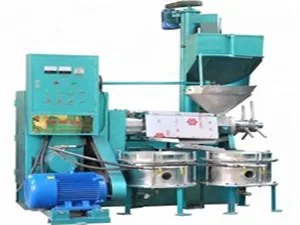
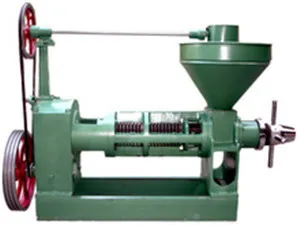
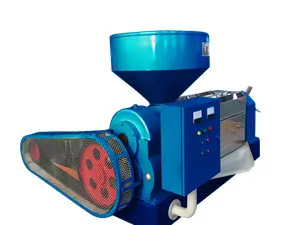
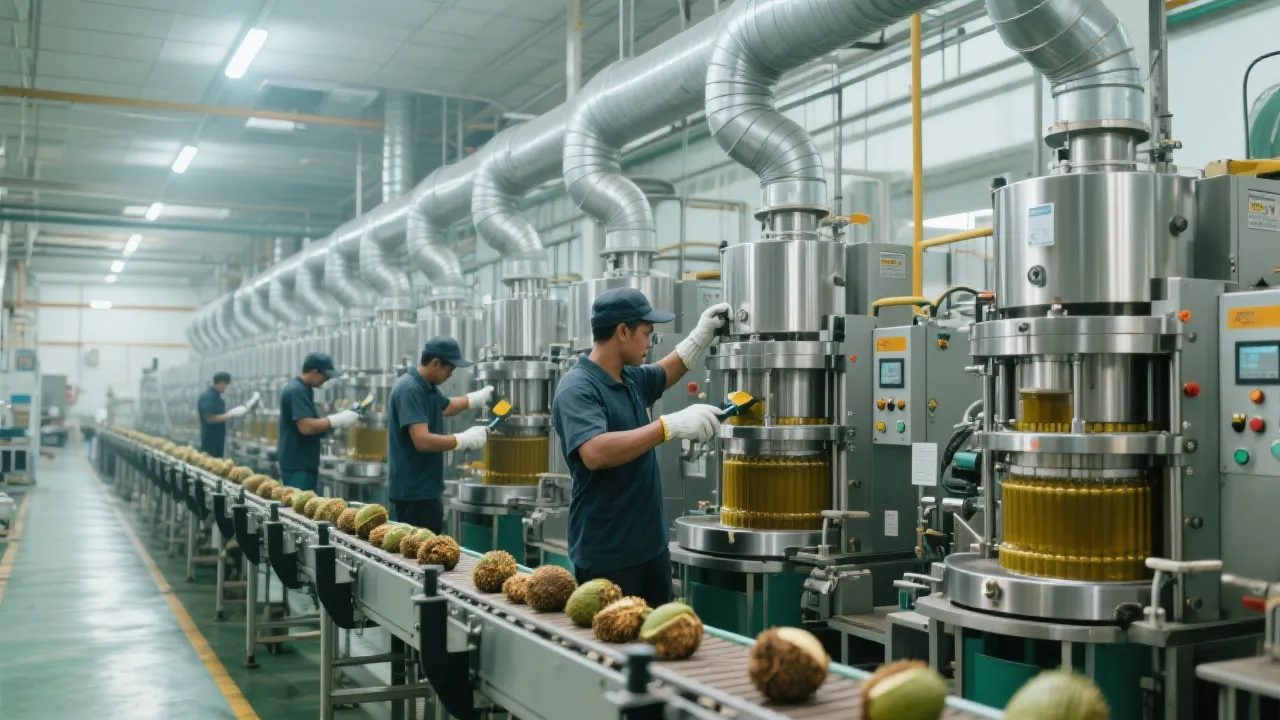
Small-scale enterprises face unique challenges when shifting from hot-pressing to cold-pressing. Selecting suitable cold-press equipment is critical — machines must balance processing capacity (typically 50–500 kg/hour) with operational efficiency and maintenance ease. Investing in user-friendly, modular cold presses can reduce downtime and allow smoother scalability.
Personnel training should emphasize precision in feedstock preparation, temperature monitoring, and hygienic handling to safeguard oil quality. Many SMEs report that investing 40–60 training hours led to fewer operational errors and higher product consistency within 3 months.
In terms of market strategy, positioning cold-pressed sunflower oil as a premium, nutrient-rich cooking oil taps into rising demand from health-conscious consumers and niche organic food retailers. Highlighting the oil’s natural antioxidant content, zero additives, and superior flavor can differentiate products effectively.
Industry testimonials confirm that integrating cold pressing can increase product value by 15-25% without major CAPEX hikes when phased appropriately.

Cold pressing yields are typically 5-10% lower but compensated by higher oil quality and market price.
Most hot-press machines are incompatible. Dedicated cold-press machinery is necessary to maintain temperature control and nutrient preservation.
Opaque, airtight bottles with UV protection are preferred to prevent oxidation and extend shelf-life.
Embracing cold pressing opens new avenues not only for enhanced product quality but also for sustainable competitive advantage in the global edible oil marketplace. SMEs that strategically adopt this technology can capture emerging consumer segments dedicated to health and natural living.
.jpg?x-oss-process=image/resize,h_1000,m_lfit/format,webp)





 <#else>





