Professional Cold Pressing Equipment Recommendations and Selection Guide to Empower Exporters in the Healthy Oil Market
20 12,2025
QI ' E Group
Technical knowledge
This article focuses on market opportunities and technical transformation pathways for small-scale enterprises processing cold-pressed sunflower seed oil. It thoroughly analyzes how cold pressing technology preserves more natural nutrients under the backdrop of rising health-conscious consumption, enabling product differentiation. The discussion highlights the limitations of traditional hot pressing versus the advantages of cold pressing through data comparisons and case studies. Practical equipment selection advice, staff training essentials, and market positioning strategies are provided to offer actionable transformation solutions. The goal is to assist export enterprises in successfully entering the green, healthy oil market and enhancing brand competitiveness.
Professional Cold Pressing Equipment: A Comprehensive Guide for Small-Scale Sunflower Oil Producers
The global demand for healthy edible oils continues to accelerate, driven by growing consumer awareness of nutrition and wellness. For small-scale enterprises specializing in sunflower seed oil processing, transitioning from conventional hot pressing to advanced cold pressing technology offers an invaluable opportunity to capture this rising market. This article delves deep into the health-driven oil consumption trends, illustrates the technical superiority of cold pressing over traditional methods, and provides actionable guidance on equipment selection, staff training, and market positioning — empowering businesses to carve a sustainable niche in the green oil sector.
Understanding the Health-Driven Shift in Edible Oil Consumption
Driven by widespread lifestyle changes, scientific evidence, and supportive regulatory frameworks, consumers worldwide are increasingly favoring oils that retain natural antioxidants, vitamins, and essential fatty acids. According to a 2023 report published by the Global Edible Oils Market Research Institute, the cold-pressed oil segment is forecasted to grow at a CAGR of 8.2% over the next five years, outperforming the overall market growth of 4.5%. This growth is especially notable in health-conscious regions such as North America, Europe, and East Asia.
Cold Pressing vs. Traditional Hot Pressing: Nutritional and Quality Advantages
Feature
Hot Pressing
Cold Pressing
Processing Temperature
Up to 120°C or above
Below 50°C
Nutrient Retention
Significant loss of vitamins (A, E), antioxidants
Up to 30-40% higher retention of micronutrients
Flavor and Aroma
Neutralized, often bland
Rich natural flavor, fresh aroma
Oxidation Rate
Higher susceptibility to rancidity
Lower oxidation, longer shelf life
Source: Comparative analysis based on “Journal of Oil Chemistry,” 2023
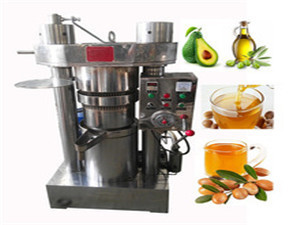
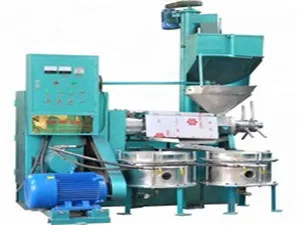
Tailored Equipment Selection for Small-Scale Cold Pressing Operations
Small enterprises often face unique operational demands, including limited floor space, budget constraints, and workforce skill levels. When selecting cold pressing machinery, companies should prioritize:
Cold Press Capacity: Machines with 5-20 tons/month capacity suit emerging businesses, allowing incremental growth and flexibility.
Energy Efficiency: Equipment designed with optimized hydraulic or mechanical pressing systems lowers operational costs.
Ease of Maintenance: Modular components and accessible design reduce downtime.
Compliance & Certification: Ensure machines meet international food safety standards (FDA, ISO 22000).
Many reputable manufacturers provide pre-sale consulting and on-site commissioning services, significantly reducing the learning curve during the transition.
Empowering Workforce: Essential Training Focus Areas
Successful cold pressing implementation depends heavily on operator expertise. Training programs should focus on:
Pre-processing Techniques: Proper seed cleaning and conditioning improve oil yield and quality.
Machine Operation and Troubleshooting: Hands-on practice with cold press controls, pressure adjustment, and temperature monitoring.
Hygiene & Quality Assurance: Maintaining sanitary conditions and routine inspections to comply with export standards.
Product Differentiation Awareness: Educating staff on the nutritional and marketing benefits of cold-pressed oils.
Strategic Market Positioning: Differentiation in a Competitive Landscape
To capitalize on cold pressing’s health advantages, enterprises should adopt multi-dimensional market positioning strategies:
Highlight Nutritional Benefits: Use clear labeling and storytelling around antioxidant levels, vitamin retention, and absence of chemical residues.
Target Health-Conscious Segments: Position products for consumers prioritizing natural, organic, and clean-label oils.
Brand Story Focus: Emphasize sustainable sourcing, artisanal production methods, and local farming partnerships.
Common Questions & Expert Answers on Cold Pressing Transition
Q: Can cold pressing yield match that of hot pressing?
While cold pressing generally yields 5-10% less oil compared to hot pressing, this is offset by superior oil quality and higher market prices due to premium positioning.
Q: What are the typical maintenance challenges?
Periodic cleaning to prevent seed residue build-up and routine checks of hydraulic seals or belts are crucial. Many suppliers offer comprehensive maintenance guides to streamline upkeep.
Q: How soon can my product hit the export market?
With certified equipment and trained personnel, businesses can expect export readiness within 3-6 months, factoring in quality control and compliance with destination country regulations.
Q: Are there recommended service providers for training and commissioning?
Many leading equipment manufacturers provide end-to-end services, from installation to operational training. Engaging with them early in the purchasing cycle is advisable.
Small and medium enterprises ready to enhance their product portfolio with cold-pressed sunflower seed oil can seize substantial opportunities in the increasingly competitive healthy edible oils arena.


.jpg?x-oss-process=image/resize,h_1000,m_lfit/format,webp)







 <#else>





