
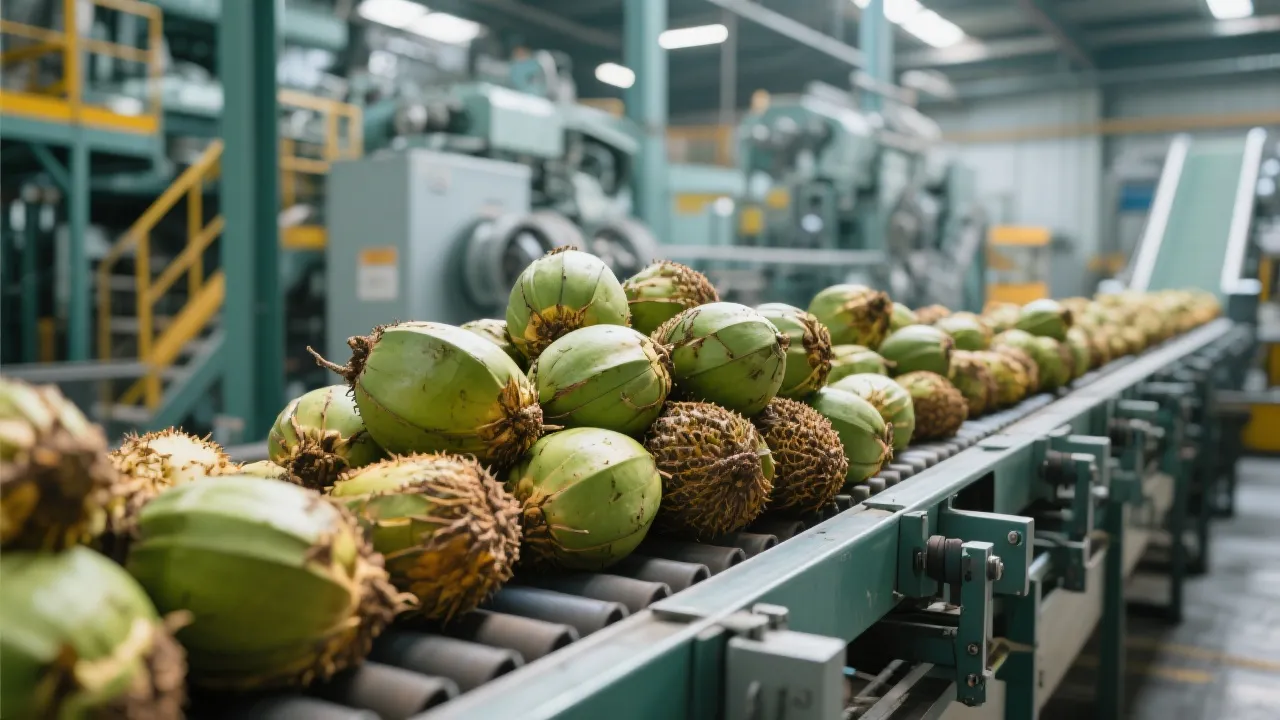
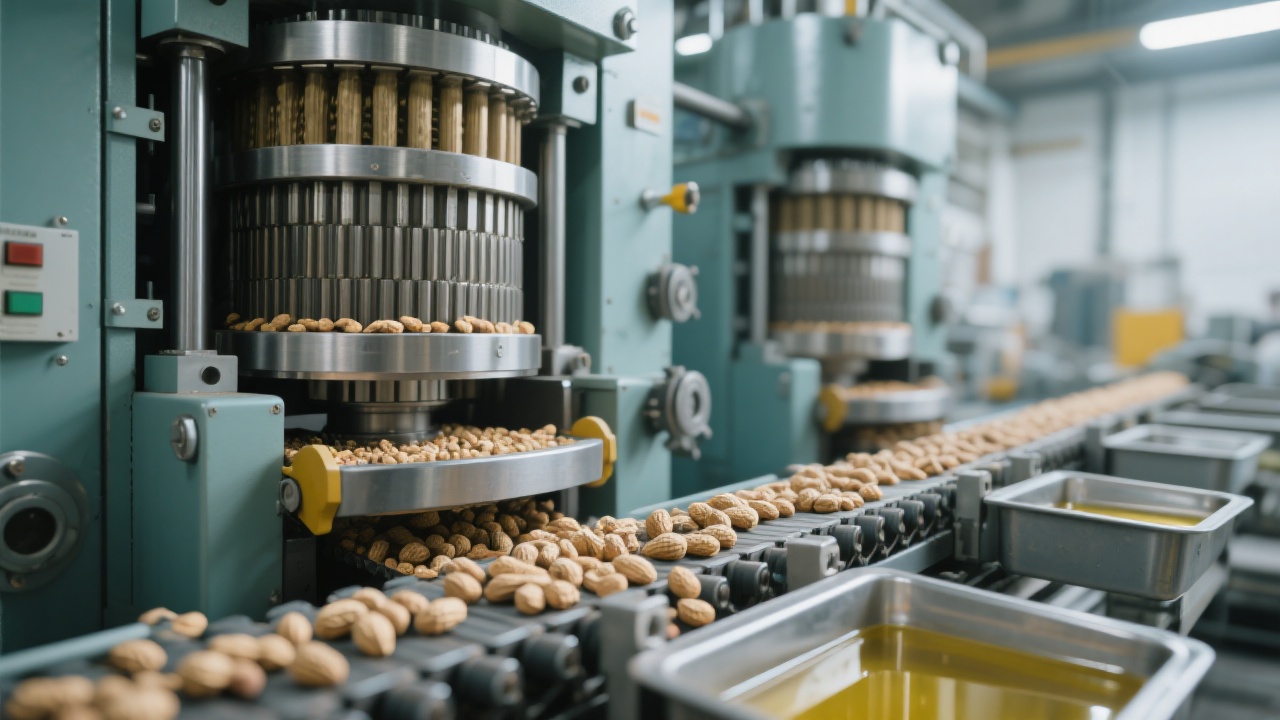
As a small business owner in the oil - pressing industry, you may face various challenges when using cold - pressing oil machines to produce sunflower seed oil. This guide is designed to provide you with practical solutions to common problems throughout the entire cold - pressing process.
Selecting high - quality sunflower seeds is the first step in ensuring a good oil yield. The seeds should be clean, free from impurities, and have a proper moisture content. Before pressing, it's necessary to clean and shell the seeds. Cleaning can remove dirt, stones, and other foreign objects, while shelling can improve the oil - extraction efficiency. A technical expert once said, "Good raw materials are the foundation of high - quality oil production. Spend time on proper pretreatment, and you'll see the benefits in the long run."
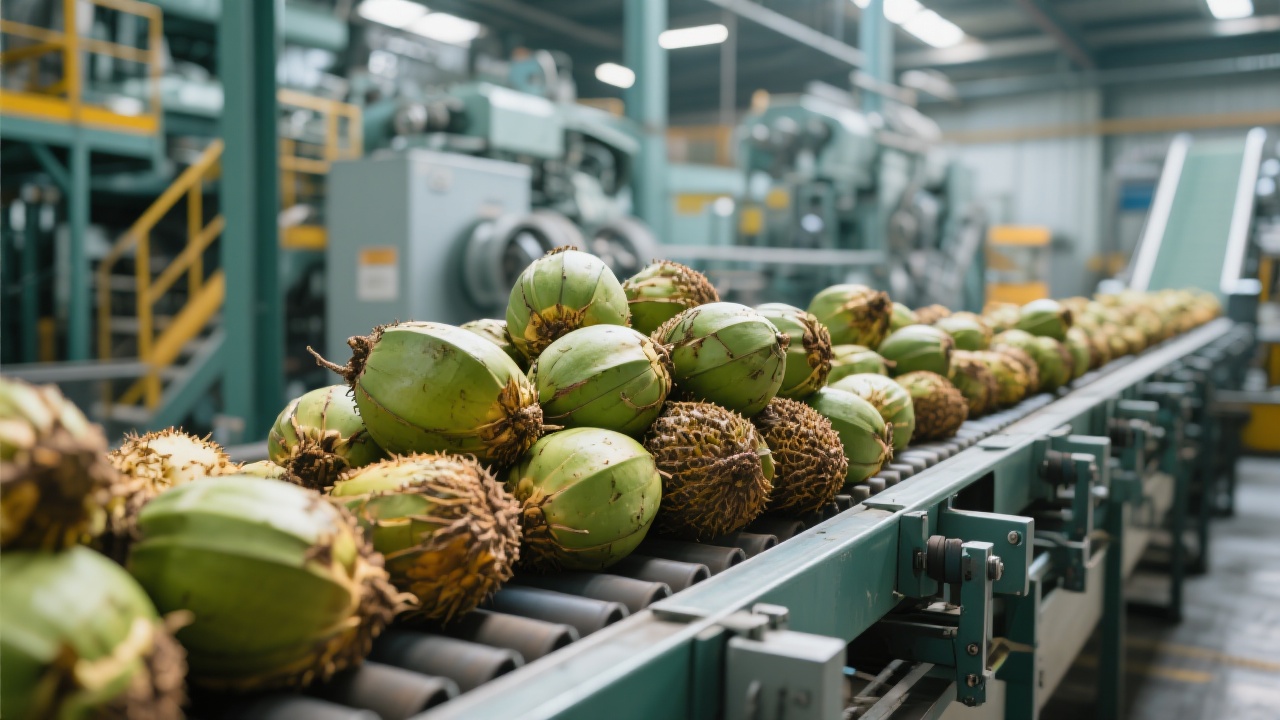
Moisture content in sunflower seeds significantly affects the oil - pressing process. If the moisture is too high, the oil may not separate well from the seeds, leading to a lower oil yield. On the other hand, if the moisture is too low, the seeds may be too dry and difficult to press. Generally, the ideal moisture content for sunflower seeds in cold - pressing is around 8% - 12%. You can use a moisture meter to accurately measure the moisture content and adjust it through drying or humidifying methods.
Determining the appropriate pressing pressure is crucial for optimizing the oil yield. The pressure should be adjusted according to the characteristics of the sunflower seeds and the type of cold - pressing oil machine. Usually, starting with a lower pressure and gradually increasing it can prevent the seeds from being crushed too quickly and ensure a more efficient oil - extraction process. A common mistake is setting the pressure too high at the beginning, which can lead to uneven oil extraction and a lower overall yield.
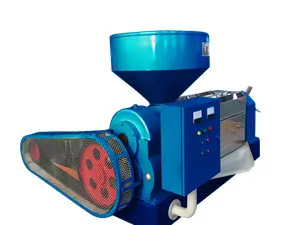
If you notice a low oil yield, there could be several reasons. It could be due to improper raw material pretreatment, incorrect moisture content, or inappropriate pressure settings. Another possible reason is the wear and tear of the oil - pressing machine. To address these issues, you can review and adjust your operating procedures, check and replace worn - out parts, and regularly maintain the equipment. For example, if the oil yield has dropped by 10% compared to normal, it's time to thoroughly inspect the entire process.
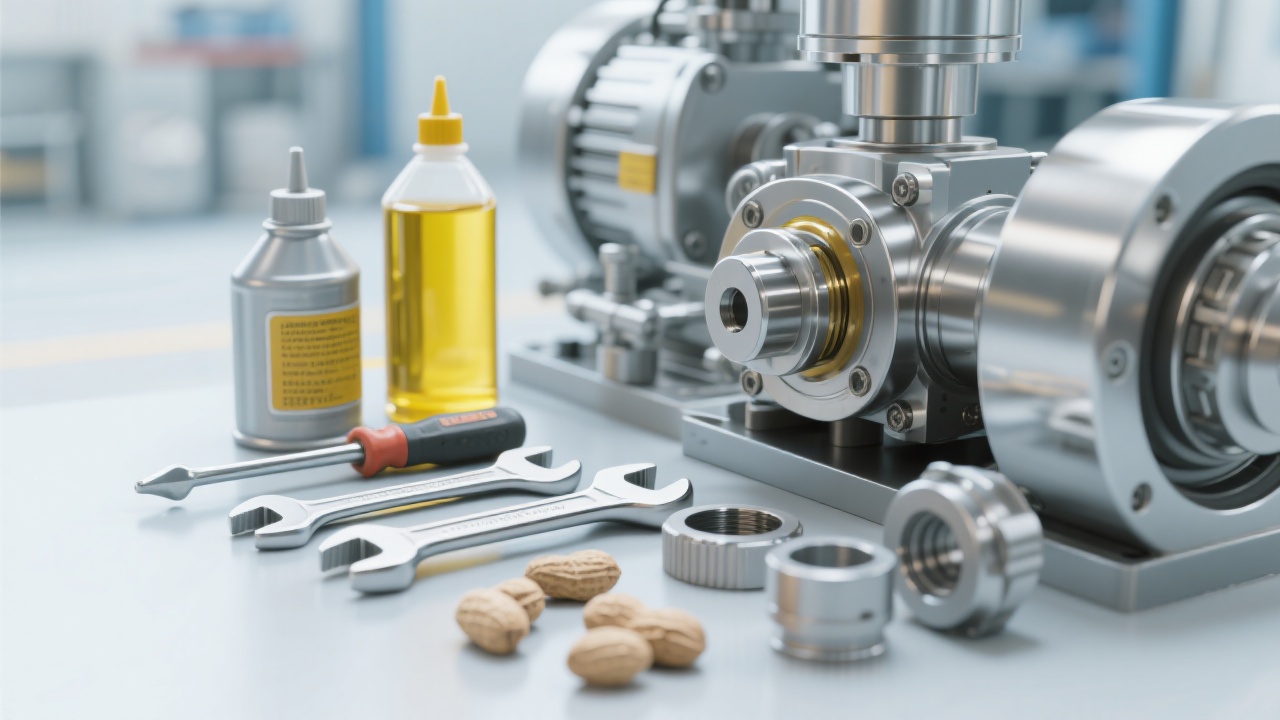
Regular equipment maintenance is essential for the long - term operation of your cold - pressing oil machine. You should clean the machine after each use to prevent the accumulation of oil residues and debris. Lubricate the moving parts according to the manufacturer's instructions to reduce friction and wear. Also, follow strict safety regulations during operation to avoid accidents. A technical expert emphasized, "Proper maintenance not only extends the service life of the equipment but also ensures stable oil production."
We encourage you to share your experiences and ask questions in the comments section below. Have you encountered any unique problems during the cold - pressing process? How did you solve them? Your insights can help other small business owners in the industry.
We provide free installation, debugging, and operation training services, allowing your equipment to quickly enter into efficient operation. Don't miss this opportunity to enhance your production efficiency. Click here to learn more.
 <#else>





