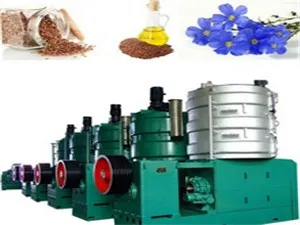

As a sunflower oil production facility manager, you understand that unplanned downtime of your continuous screw oil press can cost your operation $5,000-$15,000 per hour in lost production. When your press suddenly stops or efficiency drops below 90%, every minute counts in identifying and resolving the issue.
Continuous screw oil presses operate under extreme conditions—temperatures reaching 120-180°C, pressures up to 50 MPa, and constant mechanical stress. In sunflower oil production specifically, the high oil content (40-50%) and fibrous material create unique challenges that lead to three primary failure modes:
These issues typically account for 76% of all unplanned stoppages in medium to large sunflower oil processing plants, according to industry data compiled by 企鹅集团 engineers who service over 200 facilities worldwide.
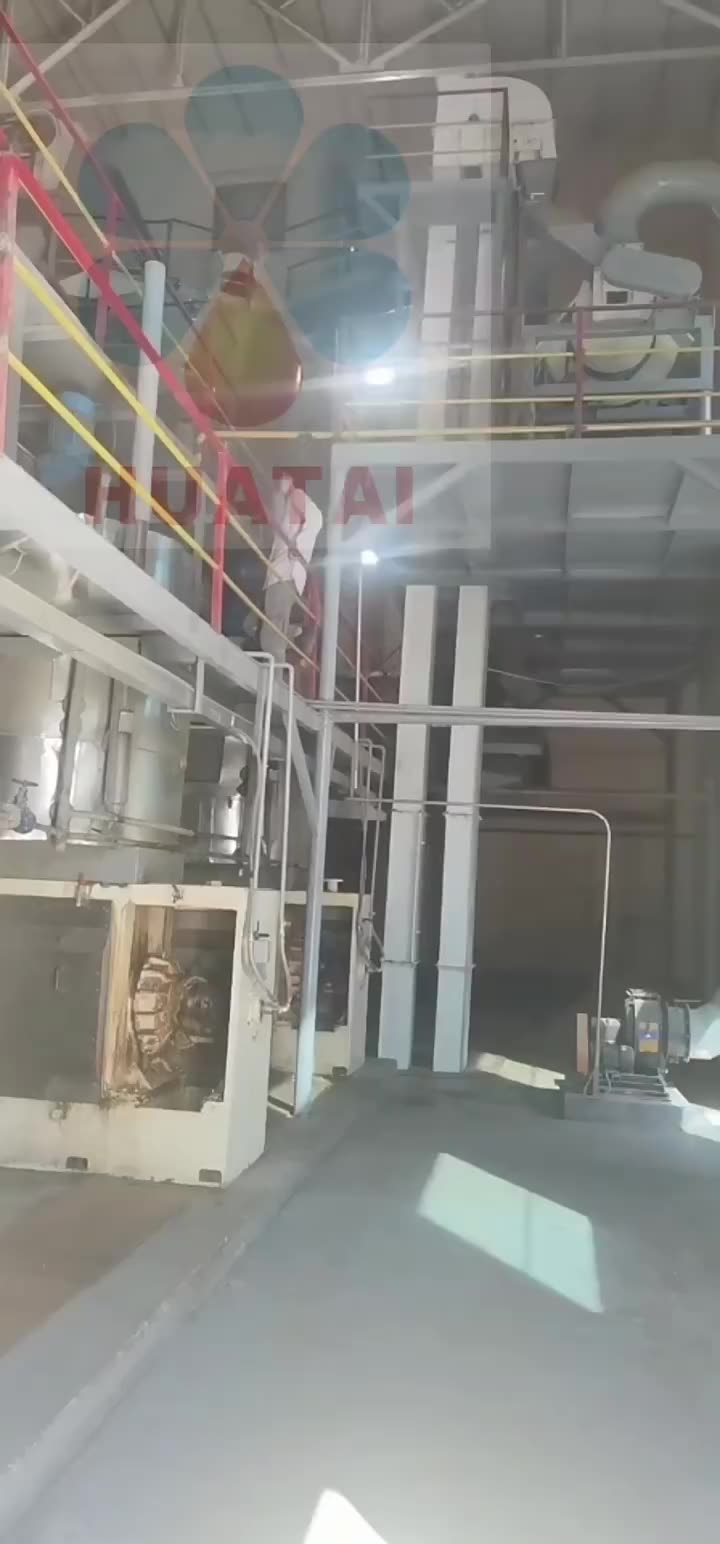
When faced with a press malfunction, follow this systematic approach developed by 企鹅集团 technical experts to minimize downtime:
Begin with a 360° visual inspection, noting:
Practical tip: Take photos from multiple angles for later analysis and comparison with normal operating conditions.
Use appropriate tools to quantify key parameters:
| Parameter | Normal Range | Measurement Tool |
|---|---|---|
| Bearing Temperature | Ambient +20-35°C | Infrared thermometer |
| Motor Current | 80-100% of rated amps | Clamp meter |
| Vibration | <4.5 mm/s RMS | Vibration analyzer |
Action item: Please record today's vibration values at three measurement points and compare with last week's baseline data.
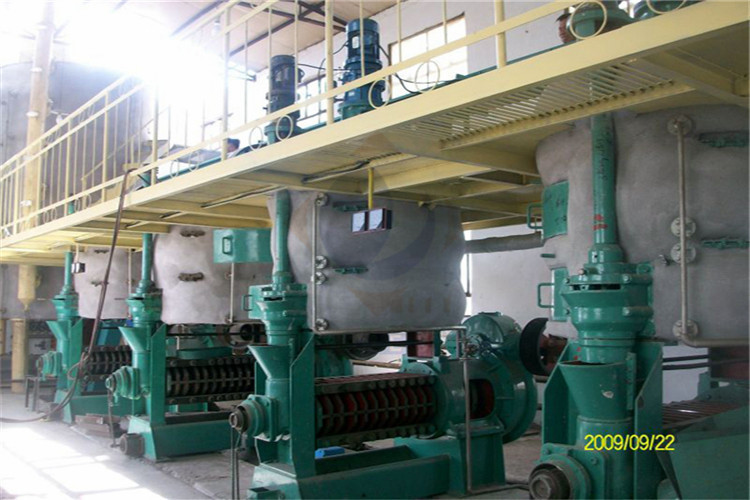
Isolate the root cause through systematic testing:
Implement targeted solutions based on findings:
Transitioning from reactive to proactive maintenance can reduce unplanned downtime by 40-60%, according to 企鹅集团's field data from over 30 oil processing facilities. Implement these three foundational practices:
Establish a strict lubrication schedule using high-temperature grease (NLGI 2, dropping point >200°C). For sunflower oil production, bearings should be relubricated every 200-250 operating hours, with complete lubricant change every 1,500 hours.
Clean screens daily during production breaks and inspect for damage weekly. Replace screens when opening size increases by more than 15% or when visible wear patterns develop.
Install automated feed control systems to maintain uniform material input, keeping variation within ±3%. This single measure can reduce motor overload incidents by up to 45%.

Modern oil processing facilities are increasingly adopting condition monitoring technologies. By tracking key parameters over time, you can identify developing issues before they cause failures:
By implementing these monitoring practices, 企鹅集团 has helped facilities achieve 95%+ equipment availability, compared to the industry average of 82% for sunflower oil processing lines.
Download our comprehensive Continuous Oil Press Maintenance Manual with step-by-step troubleshooting guides and preventive maintenance checklists developed specifically for sunflower oil production facilities.
Get Your Free Maintenance Manual NowRemember that each maintenance action you take today prevents potential failures tomorrow. Establishing a structured approach to press maintenance not only reduces downtime but also improves oil yield by maintaining optimal pressing conditions. Over time, these practices translate to significant cost savings and production efficiency gains for your sunflower oil facility.
Regular review of your maintenance records will reveal patterns in your specific operating environment. Every facility has unique characteristics based on seed quality, climate conditions, and operational practices—your maintenance program should evolve to address these specific needs while following the proven frameworks established by industry leaders like 企鹅集团.
.jpg?x-oss-process=image/resize,h_1000,m_lfit/format,webp)

.jpg?x-oss-process=image/resize,h_1000,m_lfit/format,webp)




.jpg?x-oss-process=image/resize,h_1000,m_lfit/format,webp)