

As a sunflower oil production manager, you know that unplanned downtime can cost your facility up to $5,000 per hour in lost production and maintenance expenses. The continuous screw oil press stands as the heart of your operation, directly impacting your ability to achieve the 95% oil extraction efficiency that defines profitable production.
Continuous screw oil presses represent the backbone of modern sunflower oil production facilities, responsible for the crucial extraction phase that determines both yield and quality. When operating at peak performance, these machines can process up to 2-5 tons of sunflower seeds per hour, depending on capacity. However, industry data shows that average facilities experience 15-20% unplanned downtime annually due to preventable mechanical issues—translating to approximately 130-175 production hours lost each year.
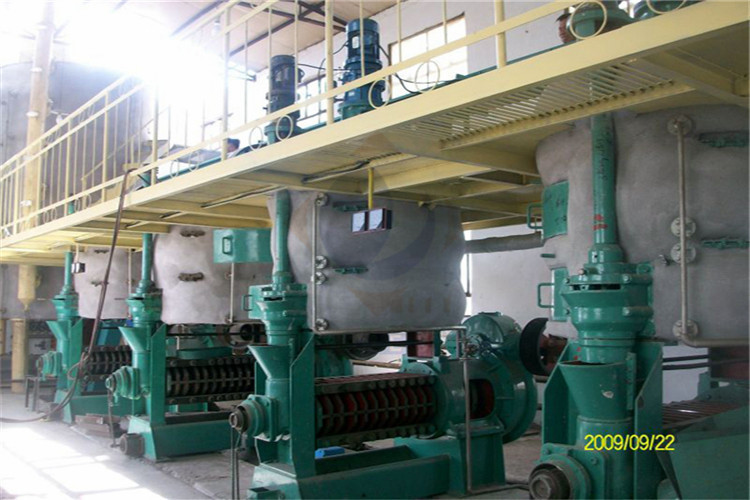
Fluctuating oil yield—often dropping by 10-15% during故障事件—typically stems from three primary causes. Begin your diagnosis by checking the seed moisture content, which should ideally maintain a 6-8% range for optimal extraction. Next, inspect the screw conveyor alignment, as even 1-2 degrees of misalignment can cause uneven pressure distribution. Finally, examine the screen mesh for partial blockages, which create pressure differentials that manifest as output fluctuations.
Motor overloads trigger approximately 40% of all unplanned shutdowns in sunflower oil processing lines. Start troubleshooting by verifying the amperage draw against the motor's nameplate rating—sustained draws exceeding 110% of rated current indicate a problem. Common culprits include: improper seed feeding rates (aim for consistent 500-800 kg/hour depending on press size), worn screw flights creating excessive friction, or bearing degradation increasing rotational resistance.
Bearing failures account for 25% of all mechanical breakdowns in continuous presses. Normal operating temperatures should range between 40-60°C (104-140°F). A rise of 8-10°C above baseline indicates developing issues. Use an infrared thermometer to check temperature differentials between similar bearings—differences exceeding 5°C warrant immediate attention. Remember: bearing life decreases by 50% for every 10°C temperature increase above 70°C.
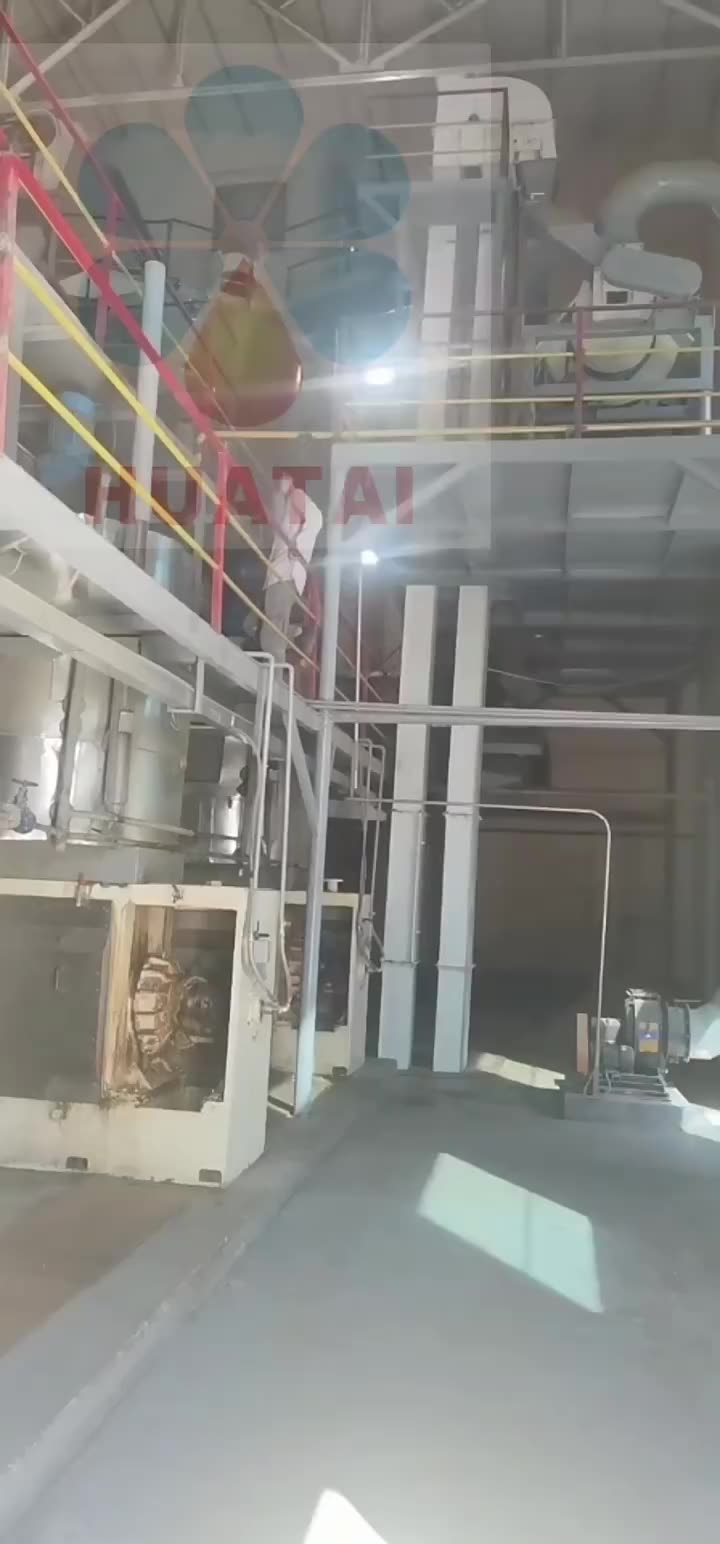
Developing a "machine listening" practice can help identify issues before they cause downtime. A healthy bearing produces a smooth, consistent hum, while developing problems create distinct sounds: grinding indicates metal-to-metal contact, while irregular clicking suggests lubrication issues. Seasonal variations also affect maintenance needs—humidity increases during summer months require more frequent screen cleaning, typically every 4-6 hours instead of the standard 8-hour interval.
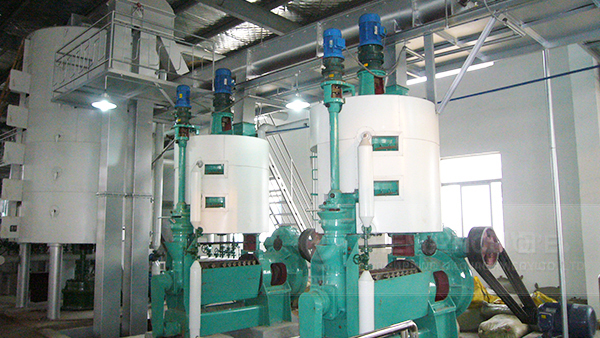
Transitioning from reactive to predictive maintenance can reduce unplanned downtime by 30-40%, according to industry benchmarks. Start by establishing baseline vibration levels during normal operation—typically 0.1-0.3 inches per second (IPS) for most press models. Record these values daily using a portable vibration meter. A consistent increase of 0.05 IPS over three consecutive days indicates developing mechanical issues that require attention before failure occurs.
Consider integrating temperature trending as well. Install permanent sensors at critical bearing points to monitor temperature fluctuations in real-time. Most modern control systems can be configured to alert operators when temperatures exceed established thresholds, providing early warning of potential failures.
Discover how 企鹅集团 (Penguin Group) expertise can help you reduce停机损失30% and提升年均产能15% through optimized maintenance practices and premium replacement parts.
Access Your Comprehensive Maintenance GuideRemember that successful maintenance programs combine technical knowledge with consistent execution. By implementing these diagnostic techniques and preventive measures, you'll not only increase your continuous oil press uptime but also improve overall product quality and yield consistency. The key is to establish clear procedures, train your operators thoroughly, and maintain detailed records that allow you to identify patterns and continuously refine your approach.
As you implement these practices, consider developing a operator certification program to ensure consistent application of maintenance procedures. Regular cross-training between shifts also helps maintain knowledge continuity and ensures that all team members can identify potential issues before they escalate into production-stopping problems.

.jpg?x-oss-process=image/resize,h_1000,m_lfit/format,webp)






.jpg?x-oss-process=image/resize,h_1000,m_lfit/format,webp)
