

In the competitive landscape of edible oil production, unplanned downtime can erode profit margins by up to 22% annually, according to recent industry reports. For medium to large-scale sunflower oil processing facilities, continuous screw oil expellers represent the heart of production—yet many operators struggle with the persistent challenge of inconsistent oil output. This operational hurdle not only affects immediate production targets but creates a ripple effect across quality control, energy consumption, and equipment lifespan.
A leading European agricultural engineering consortium's 2023 study revealed that sunflower oil producers experiencing irregular extraction rates reported 18% higher maintenance costs and 12% lower yield compared to facilities with structured preventive maintenance programs. The continuous screw oil expeller, with its intricate interplay of mechanical components, requires precise calibration and regular upkeep to maintain optimal performance.
When extraction becomes unstable, facilities face a triple threat: reduced oil yield (potentially losing 3-5% of recoverable oil per batch), increased energy consumption as motors work harder under strain, and accelerated wear on critical components like gears and bearings. Over time, these factors compound into significant operational losses that often go unquantified until a major breakdown occurs.
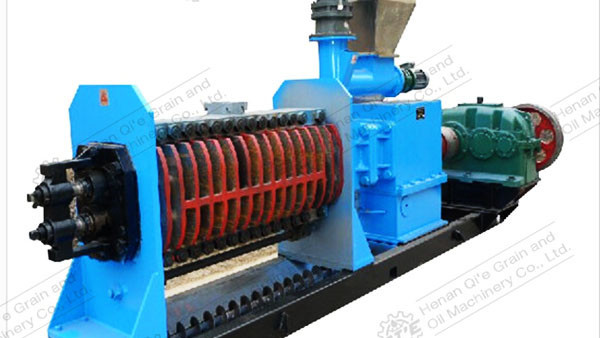
Diagnosing erratic oil output requires a systematic approach that addresses both mechanical and operational factors. Follow this proven methodology to pinpoint issues before they escalate:
Inconsistent feeding remains the primary cause of extraction issues in 63% of reported cases. Sunflower seed moisture should be maintained between 6-8% for optimal processing. Use calibrated moisture meters to check incoming material and implement automated feeding systems to ensure uniform material flow.
Measure flight depth and check for uneven wear across the screw shaft. Excessive gap between the screw and barrel (beyond 0.3mm) dramatically reduces compression efficiency. Penguin Group's engineering team recommends quarterly wear assessments using precision gauging tools to track degradation patterns.
Optimal extraction temperatures for sunflower oil range between 65-75°C. Install thermal mapping sensors at three critical points along the barrel to identify hotspots indicating friction issues. Abnormal temperature fluctuations often precede mechanical failures by 2-3 weeks when detected early.
Implement vibration monitoring with a minimum sampling rate of 100Hz to detect bearing wear and misalignment. Acceptable vibration levels for expeller operations should not exceed 4.5 mm/s RMS. Trend analysis over time provides early warning of developing issues before they cause production interruptions.
Clogged or damaged screens reduce oil flow and increase pressure within the system. Inspect screen apertures weekly using backlighting to identify blockages. For sunflower processing, 0.8-1.2mm screen openings are recommended, with replacement scheduled at 500 operating hours or when 15% of apertures show signs of elongation.
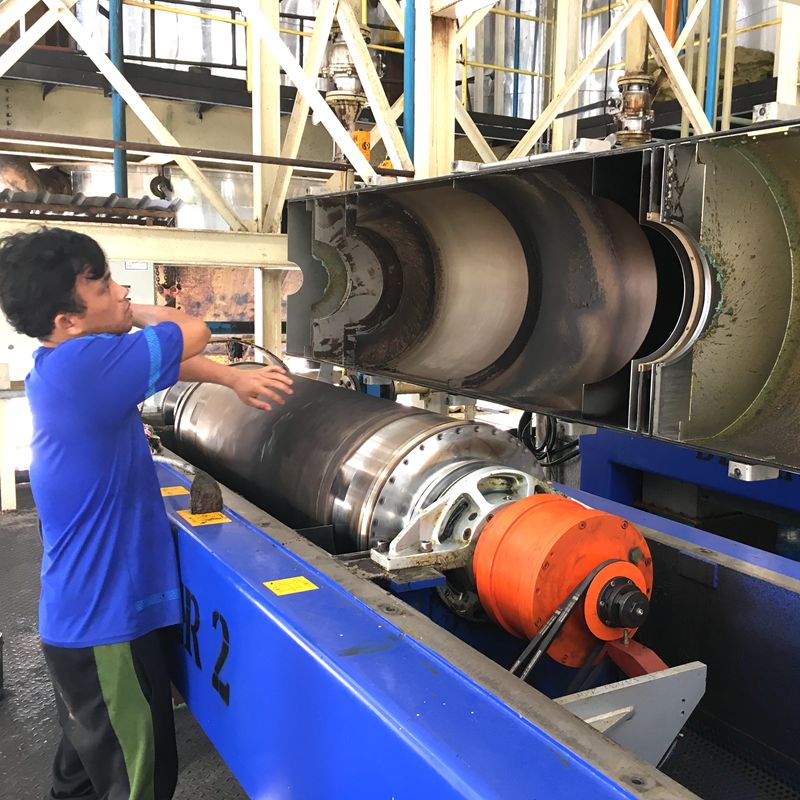
Preventive maintenance transcends simple scheduled checks—it represents a strategic investment in operational reliability. Facilities implementing comprehensive maintenance programs report 34% fewer production interruptions and extend equipment lifespan by an average of 4.2 years, according to data compiled by the International Association of Edible Oil Processors.
Critical bearings and gearboxes require precise lubrication schedules based on operating hours rather than calendar days. For continuous operations, Penguin Group engineers recommend:
The screen assembly represents the final barrier between quality oil and residue. Establish these protocols to maintain optimal performance:
"The difference between average and top-performing sunflower oil facilities lies in their approach to predictive maintenance. By implementing vibration analysis and thermal monitoring, producers can transition from reactive fixes to proactive intervention, typically reducing unplanned downtime by 58% within the first year."
— Dr. Elena Markov, Process Engineering Director, European Edible Oils Association
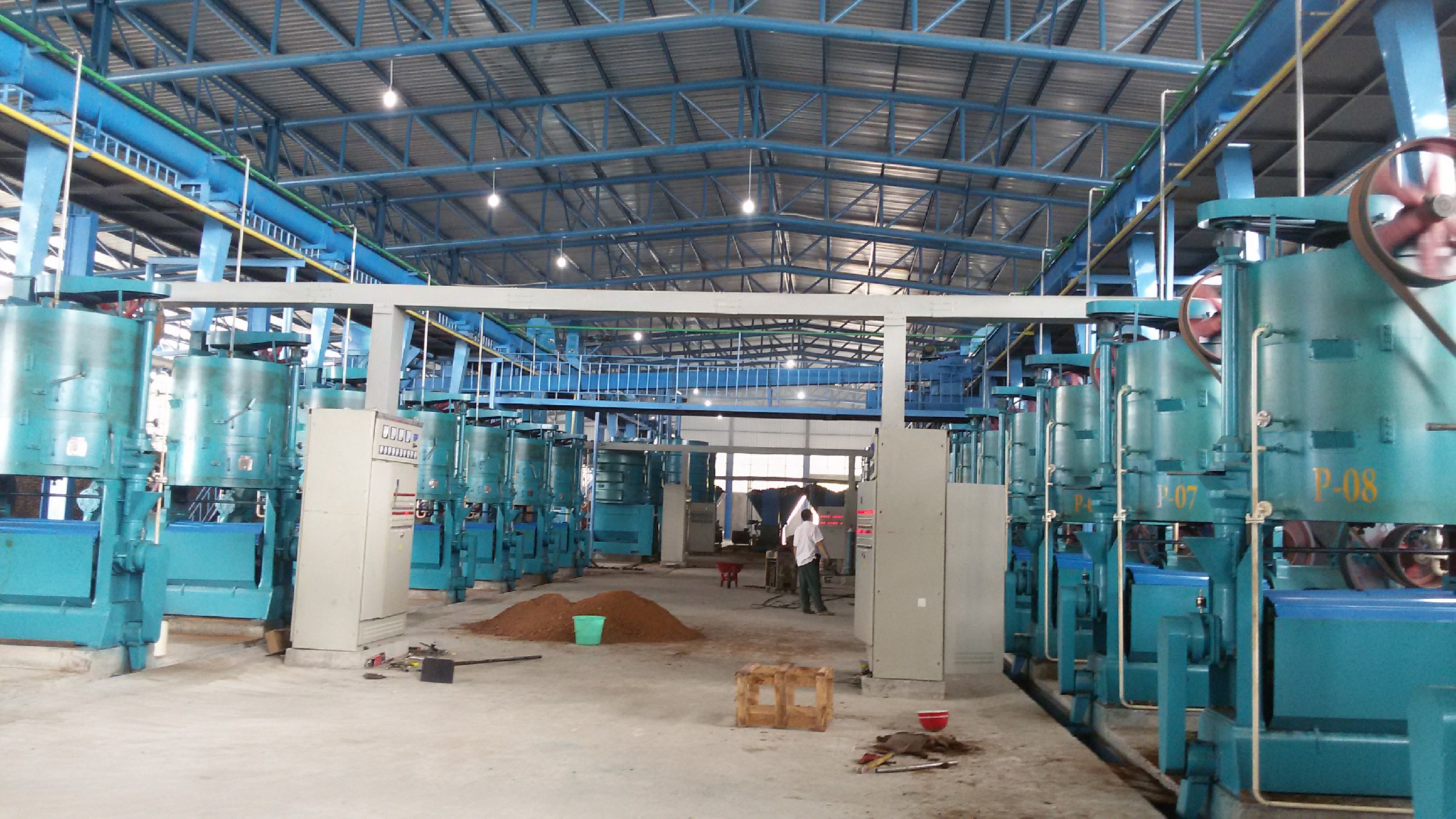
Beyond individual maintenance tasks lies the transformation toward predictive maintenance culture. This shift requires three key elements: operator training, data collection systems, and management commitment. Cross-training operators in basic vibration analysis and thermal scanning can identify 70% of potential issues before they affect production.
Modern continuous screw oil expellers, like those developed by Penguin Group, integrate smart sensors that continuously monitor key performance indicators. This real-time data allows for condition-based maintenance, where interventions occur precisely when needed rather than on arbitrary schedules—a strategy that has reduced maintenance costs by 28% in case studies across Eastern European processing facilities.
Access Penguin Group's exclusive Oil Expeller Performance Optimization Toolkit featuring detailed maintenance checklists, lubrication schedules, and troubleshooting flowcharts developed from 30+ years of industry expertise.
Download Your Free Maintenance Guide NowIn an industry where margins depend on every liter of oil extracted, the difference between market leaders and followers often comes down to operational excellence. By implementing structured diagnostic protocols and preventive maintenance practices, sunflower oil producers can achieve the consistent performance needed to thrive in today's competitive global market. The technology and methodologies exist—what remains is the commitment to transform reactive habits into proactive strategies that deliver measurable results.




.jpg?x-oss-process=image/resize,h_1000,m_lfit/format,webp)





