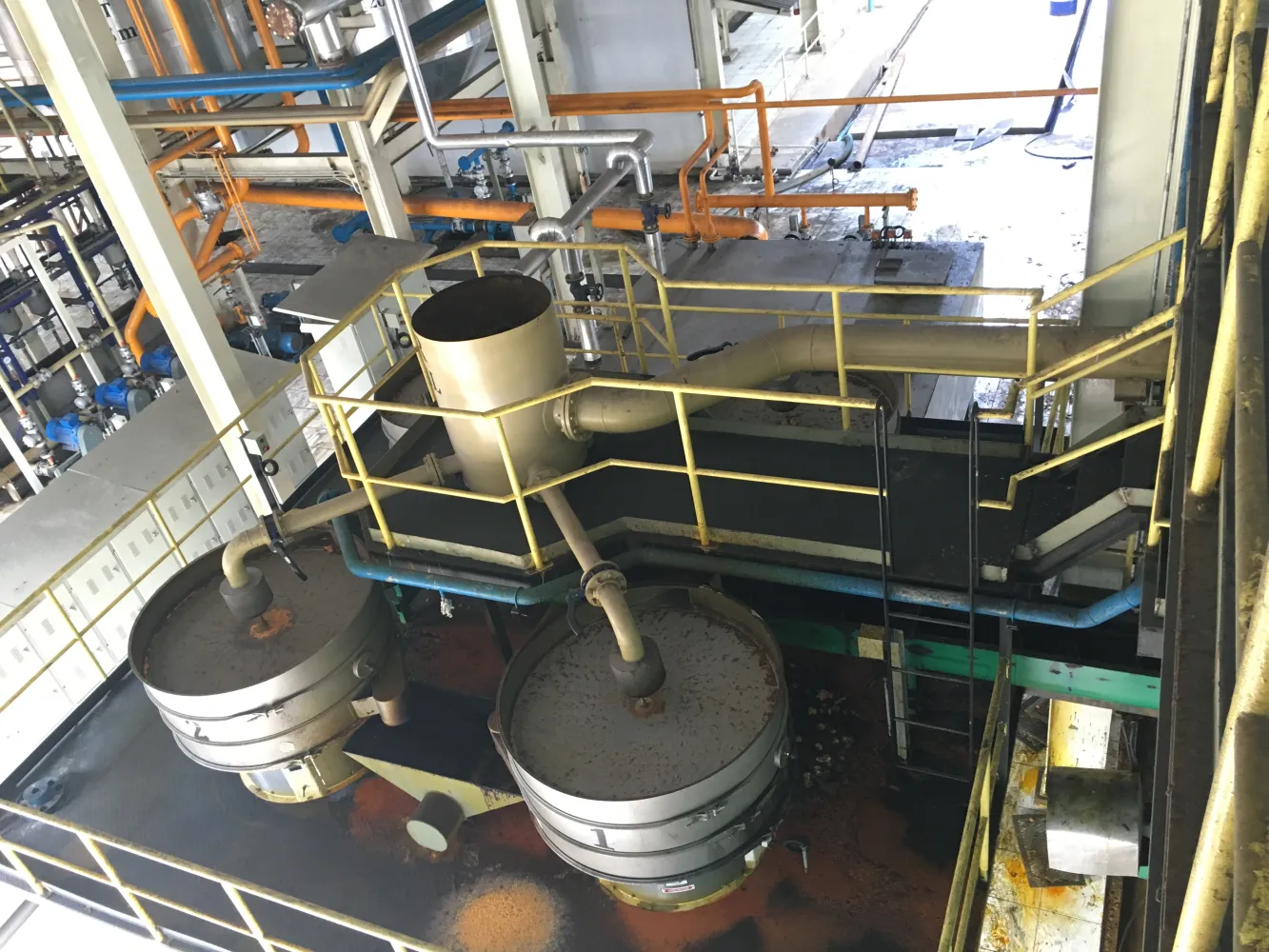
The production of high-quality edible oil involves more than just extraction—it requires precise refining to remove impurities, enhance stability, and improve sensory qualities. Edible oil refining equipment plays a critical role in this process, systematically transforming crude oil into the clear, flavorful, and stable oil consumers trust. Qi'e Grain and Oil Machinery Co., Ltd., a leading provider of oil processing solutions, offers advanced refining systems designed to optimize each stage of this essential process.
"Effective oil refining is a harmonious integration of science and engineering. Each process stage addresses specific quality parameters, working together to create a final product that meets both nutritional standards and market expectations." — Qi'e Grain and Oil Machinery Technical Team
The initial stage targets phospholipids and mucilaginous substances that can cause cloudiness and instability. Through controlled hydration and centrifugation, these gummy impurities are separated, laying the foundation for subsequent refining steps.
Key Benefit: Improves oil clarity and prevents sediment formation during storage.
This stage removes free fatty acids that contribute to unpleasant flavors and reduce shelf life. Using either chemical neutralization (caustic refining) or physical distillation, the process adjusts the oil's acid value to meet quality standards.
Key Benefit: Enhances oil stability and reduces rancidity potential.
Natural pigments, oxidation products, and certain contaminants are removed using adsorbent materials like activated clay or carbon. The oil is filtered to achieve the desired color clarity while preserving its nutritional properties.
Key Benefit: Produces visually appealing oil with consistent color characteristics.
The final stage removes volatile compounds responsible for undesirable odors and flavors. Through steam distillation under vacuum and controlled temperature, the oil achieves a neutral taste profile while retaining beneficial components.
Key Benefit: Creates a clean, neutral flavor profile suitable for diverse culinary applications.
These four processes operate in sequence, each building upon the previous to progressively enhance oil quality. The interdependence of these stages requires precise control and coordination—factors that define the effectiveness of professional edible oil refining equipment. Qi'e Grain and Oil Machinery's systems are engineered to maintain optimal conditions throughout the refining cycle, ensuring consistent results across different oil types including soybean, palm, sunflower, and rapeseed oils.
| Quality Parameter | Affected By | Refining Outcome |
|---|---|---|
| Purity | Degumming, Deacidification | Removal of phospholipids, FFA, and sediments |
| Color | Decolorization | Consistent, light appearance |
| Flavor | Deodorization | Neutral, clean taste profile |
| Shelf Life | All processes | Enhanced stability against oxidation |
Edible oil refining equipment must be tailored to specific oil types, production scales, and quality requirements. Key considerations include:
Qi'e Grain and Oil Machinery Co., Ltd. specializes in providing customized edible oil refining solutions that address these considerations. With equipment operating in over 120 countries, our refining systems serve diverse applications—from small-scale specialty oil producers to large industrial processing facilities. Our approach combines technical expertise with practical experience to deliver equipment that not only performs the essential degumming, deacidification, decolorization, and deodorization processes but does so efficiently, reliably, and in compliance with global quality standards.
Understanding how edible oil refining equipment works provides valuable insight into the journey from crude oil to consumer-ready product. The systematic application of degumming, deacidification, decolorization, and deodorization processes ensures that edible oils meet the highest standards of quality, safety, and sensory appeal. As a trusted partner in the oil processing industry, Qi'e Grain and Oil Machinery Co., Ltd. remains committed to advancing refining technology and supporting producers worldwide in achieving their quality and efficiency goals.
.jpg?x-oss-process=image/resize,h_1000,m_lfit/format,webp)
.jpg?x-oss-process=image/resize,h_1000,m_lfit/format,webp)