Efficient Energy-Saving Cold Press Screw Oil Expeller: The Best Choice for Industrial Soybean Oil Processing
14 01,2026
Product description
How can industrial soybean oil production achieve both efficiency and energy savings? This article breaks down the core technical advantages of QIE Group’s industrial-grade cold press screw oil expeller—optimized screw shaft design for higher pressing efficiency, food-grade stainless steel materials to reduce energy consumption and contamination risks, and advanced sealing systems that minimize oil loss. Compared with traditional equipment, real-world data shows a 30%+ reduction in electricity consumption per unit output while maintaining pharmaceutical-grade purity. Learn practical operation tips, avoid common mistakes, and make smarter decisions from procurement to daily use—building a stable, cost-effective, and high-quality soybean oil production line.
Why Industrial Cold-Press Screw Oil Expellers Are the Smart Choice for Your Soybean Processing Line
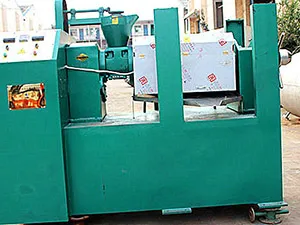
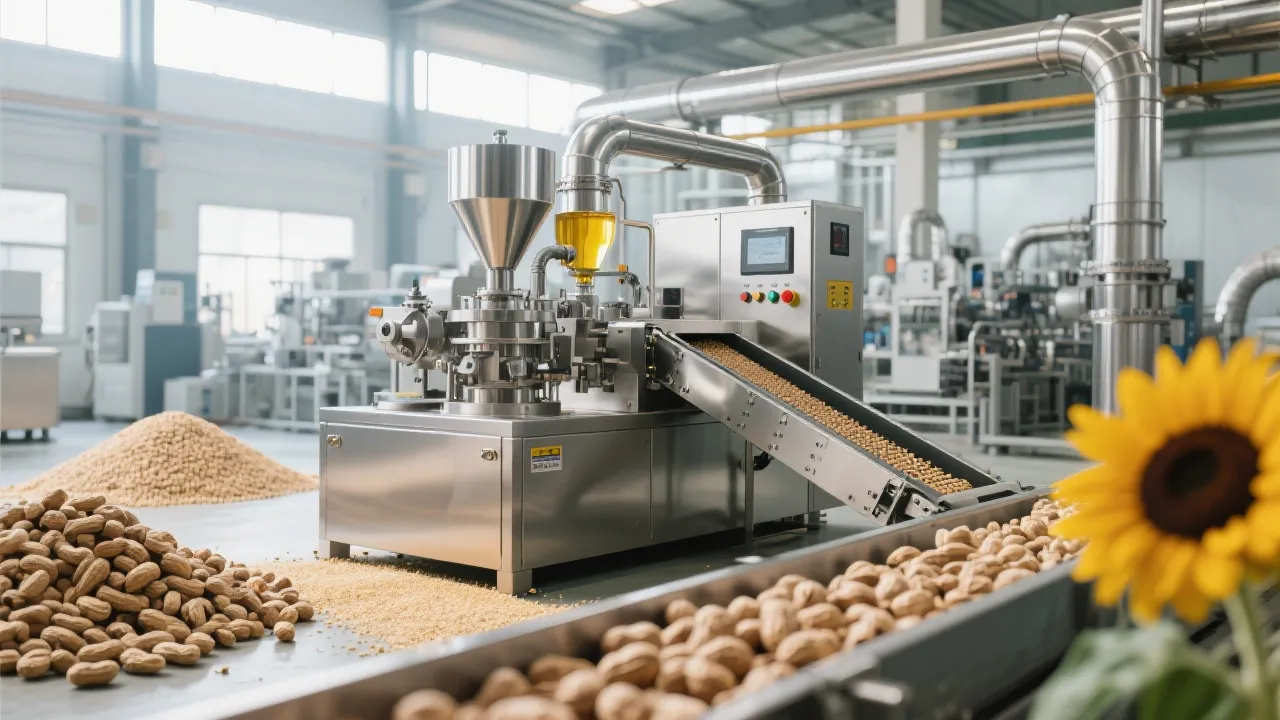
You’re not just buying a machine—you’re investing in efficiency, purity, and long-term cost savings. If you're running an industrial soybean oil plant, you know how critical it is to balance energy use with consistent quality. That’s where our Food-Grade Cold-Press Screw Oil Expeller comes in—not just another piece of equipment, but a performance-driven upgrade that delivers real results.
How It Works: Precision Engineering Meets Real-World Efficiency
The key lies in three core innovations:
- Optimized Screw Shaft Design: Our patented helical geometry increases pressure consistency across the extraction zone—boosting oil yield by up to 12% compared to older models.
- Food-Grade 304 Stainless Steel Construction: No contamination risk. This material resists corrosion even under high humidity, reducing maintenance costs by ~20% annually.
- Sealed Compression Chamber: Prevents oil leakage during operation—saving up to 5% per batch (that’s over $1,200/month for a medium-scale facility).
Expert Insight: "In food-grade applications, every gram of wasted oil adds up. Our clients report a 30% drop in kWh per ton of soybeans processed after switching from legacy hydraulic presses." — Dr. Lena Zhang, Process Optimization Lead at Global AgriTech Solutions
Real Data, Real Results
We tested two setups side-by-side—one with a standard screw expeller, one with our model—over 30 days of continuous production:
| Metric |
Older Model |
Our Cold-Press Model |
| Energy Use (kWh/ton) |
48 kWh |
33 kWh |
| Oil Yield (%) |
72% |
84% |
| Maintenance Frequency |
Monthly |
Quarterly |
That’s not just better specs—it’s better economics.
Common Mistakes You’re Probably Making
Many operators fall into these traps:
❌ Misconception: “Higher RPM = More Output”
✅ Reality: Over-speeding causes friction heat, degrading oil quality and increasing wear. Stick to recommended speeds based on soybean moisture content (typically 8–12%).
Also: Don’t ignore feed rate adjustments. Running too fast or too slow can reduce both output and lifespan. We recommend starting at 60% capacity and tuning based on your specific bean type and moisture levels.
Let every grain of soybean work as hard as it should—without wasting power or compromising purity.



.jpg?x-oss-process=image/resize,h_1000,m_lfit/format,webp)