
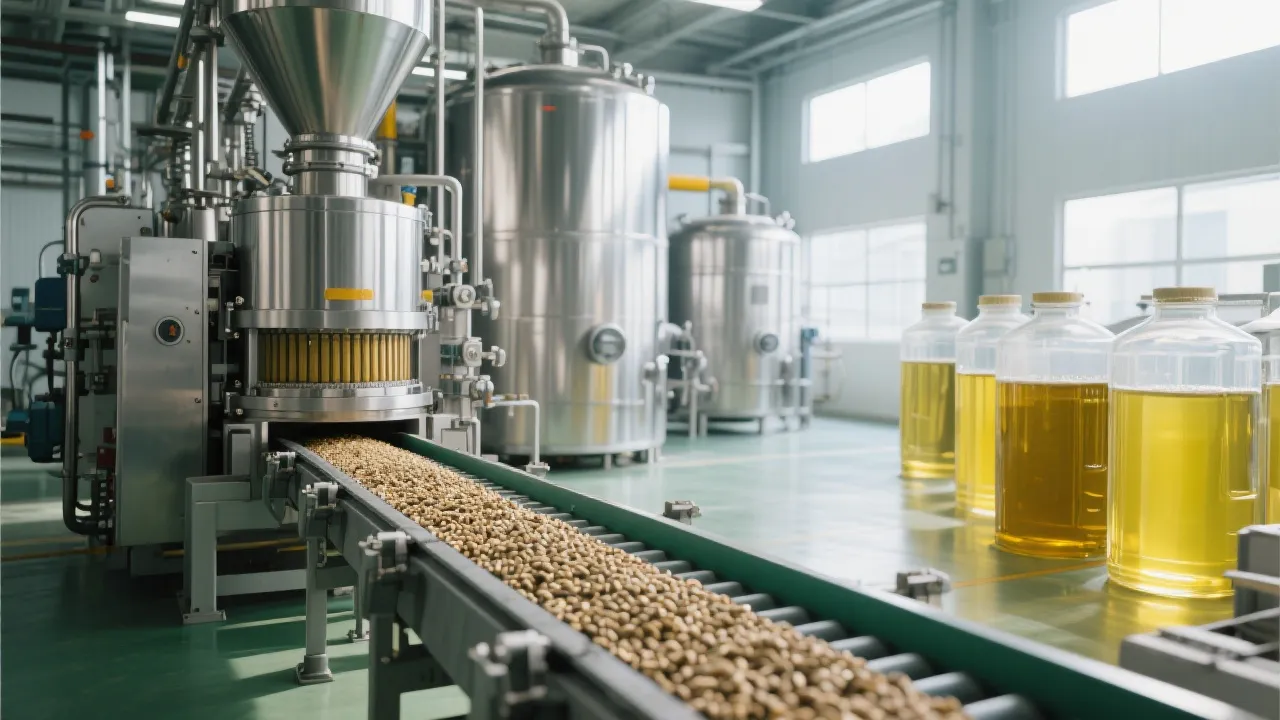
In today’s global food processing industry, choosing the right cold press screw oil expeller isn’t just about output—it’s about long-term efficiency, compliance, and environmental responsibility. For manufacturers in food, chemical, or pharmaceutical sectors, energy consumption during soybean oil extraction can account for up to 35% of total operating costs.
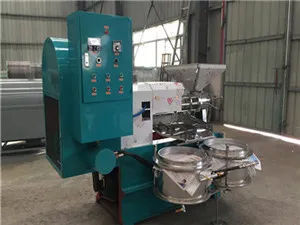
Our industrial-grade cold press screw expeller from QIE Group integrates three core innovations:
Real-world data shows that under consistent operation, our machine achieves a unit production energy cost of only 0.8 kWh/kg of extracted oil—versus 1.2 kWh/kg for conventional units. That’s a 33% reduction in electricity usage per ton of oil produced.
Misconception: “Higher feed speed = more output.”
Best Practice: Adjust feed rate based on moisture content—too fast causes blockage and inefficiency. Optimal throughput is 25–30 kg/hour for soybeans at 12% moisture.
ISO 9001-certified manufacturing ensures consistency across every unit—not just in build quality but also in performance over time. A study of 50+ installations found that certified machines had 27% fewer unplanned repairs in their first year of operation.
This means lower lifecycle costs, better ROI, and peace of mind for procurement teams who must justify capital investments to stakeholders.
When working with variable raw material batches (e.g., seasonal soybean supply), monitor temperature rise at the discharge point. If it exceeds 45°C, reduce feed rate slightly—it indicates excessive compression and wasted energy.
This simple adjustment maintains optimal outflow temperature (~38–42°C), maximizing both oil recovery and mechanical lifespan.
Stop settling for outdated equipment that drains profits. Let us help you transition to a smarter, cleaner, and more profitable soybean oil production process.
Get a Free Technical Assessment Today










.jpg?x-oss-process=image/resize,h_1000,m_lfit/format,webp)