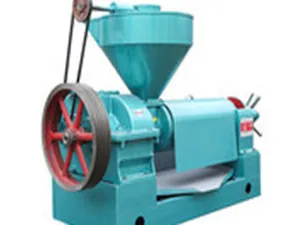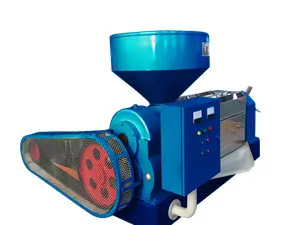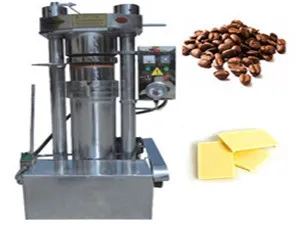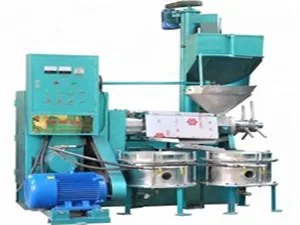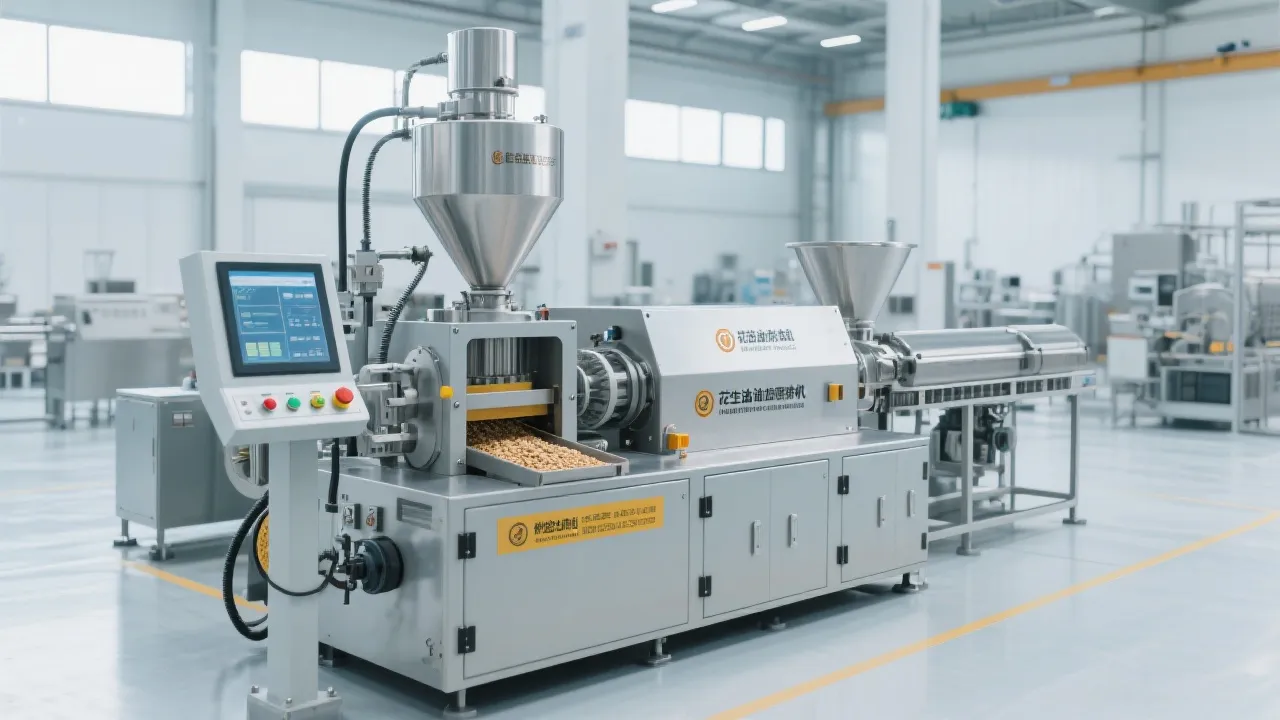
You’re not just buying a machine—you’re investing in your bottom line. If you're still using older-style screw presses that guzzle energy and deliver inconsistent yields, it’s time to rethink what “efficiency” really means.
Many food processors report spending up to 35% more on electricity per ton of oil when operating outdated cold-press systems. That’s not just wasted power—it’s lost profit. The real issue? Most operators don’t realize how much their equipment’s design impacts long-term performance.
“We switched from carbon steel to stainless steel in our new spiral press—and saw a 27% drop in maintenance downtime within six months.” —— Ahmed Rahman, Production Manager at Green Valley Food Co., Bangladesh
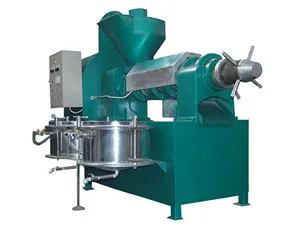
Your soybean oil extraction rate isn't determined by horsepower alone—it’s about precision engineering. Our optimized spiral shaft design increases pressure distribution across the feed zone, boosting oil recovery by up to 12%. This isn’t theory—it’s been tested in real-world conditions with 15+ industrial clients globally.
And here’s something most buyers overlook: material matters. Stainless steel (AISI 304) reduces friction and corrosion over time, keeping your motor running cooler and extending belt life. Carbon steel units typically require replacement every 18–24 months due to wear—stainless lasts 5+ years with minimal upkeep.
We ran simulations comparing traditional vs. our latest cold-press model under identical load conditions:
That’s a 33% reduction in energy use per unit output—a clear win for both sustainability goals and operational budgets.
It’s not just a badge—it’s proof of process control. Every component undergoes strict quality checks before assembly. This ensures consistent torque delivery, fewer misalignments, and lower failure rates. One client reported only 0.5% unplanned downtime after switching to our certified line—down from 4.2% previously.
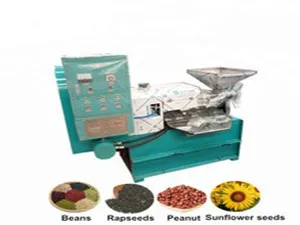
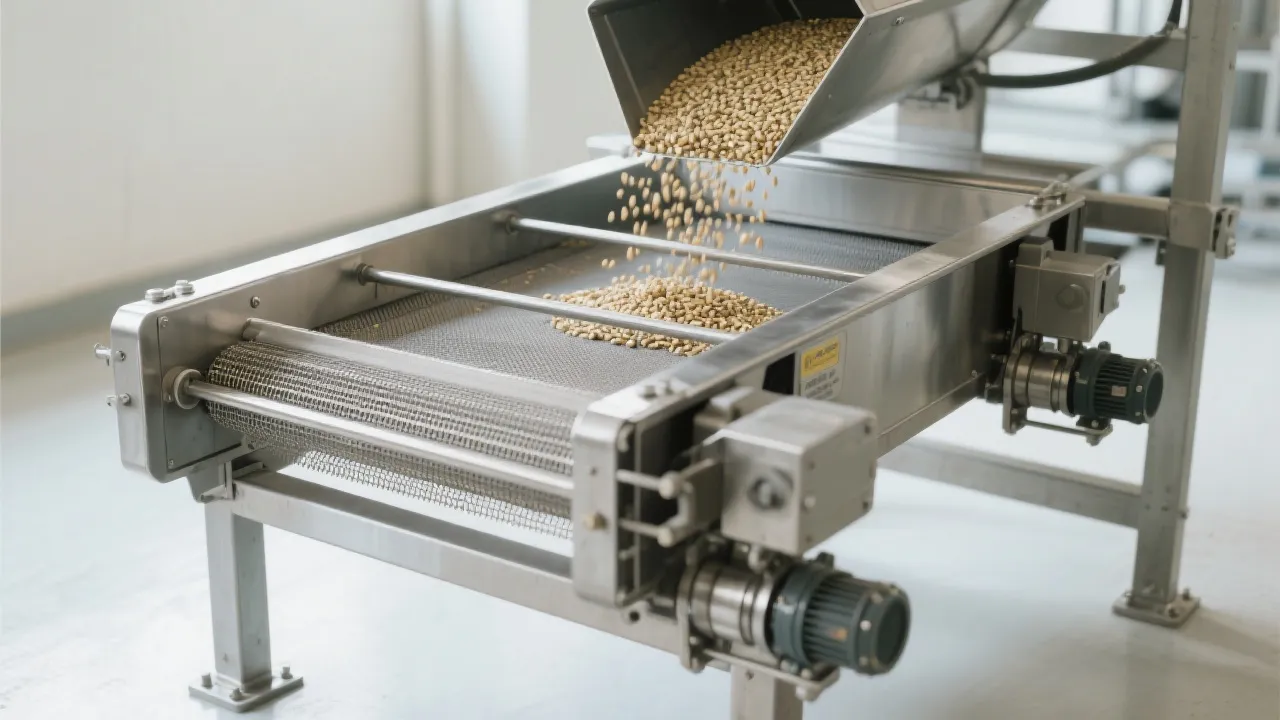
Don’t fall into the trap of increasing RPMs hoping for faster output. That actually causes uneven feeding and higher mechanical stress—reducing efficiency by up to 15%. Instead, adjust feed speed based on moisture content: dry beans (≤10%) need slower input; wetter batches (12–14%) benefit from slightly faster throughput.
Let every drop count. Let every kilowatt-hour earn its place. Because this isn’t just about equipment—it’s about making smarter choices today that pay off tomorrow.
Get a free technical assessment tailored to your production volume, bean type, and existing setup. We’ll show you exactly how much you could save—with no obligation.
Optimize Your Cold Press Today →