
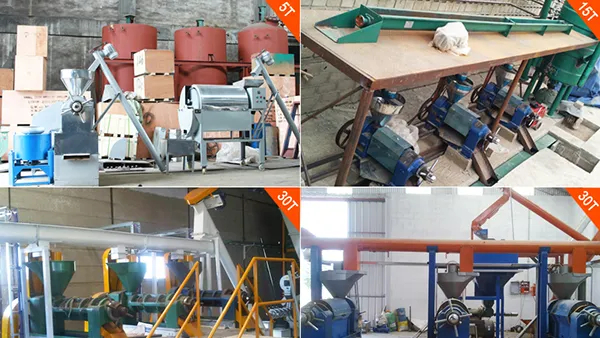
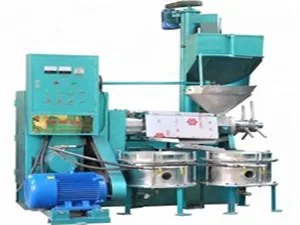
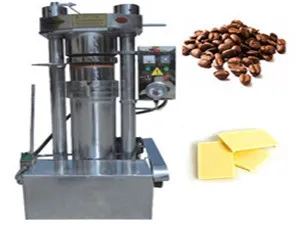
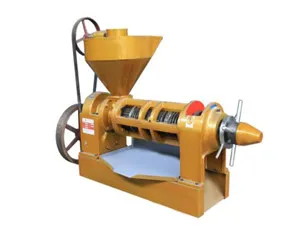
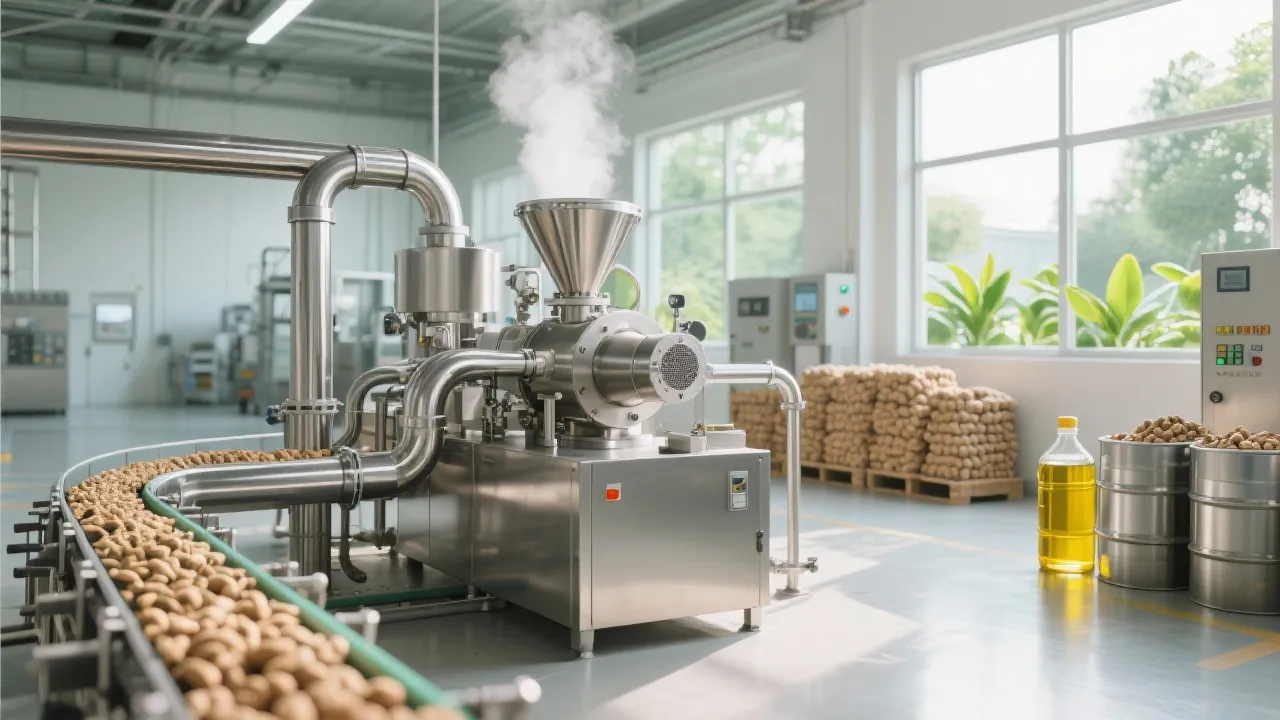
The contemporary industrial landscape demands oil extraction equipment that goes beyond basic functionality. The Penguin Group’s energy-saving soybean cold-press spiral oil press exemplifies a new benchmark, marrying robust mechanical design with operational simplicity to maximize oil yield while minimizing energy consumption.
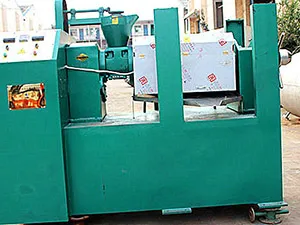
At the heart of this cold-press oil extraction solution is a meticulously engineered mechanical structure designed to streamline the oil pressing process. By utilizing high-grade stainless steel and durable alloys, the equipment exhibits superior resistance to wear and corrosion—critical attributes for continuous industrial use.
The spiral shaft, crafted with precision, ensures consistent and uniform pressure application, which translates into an oil yield improvement typically ranging 3-5% higher than conventional cold-press machines. This performance enhancement not only boosts productivity but also reduces waste, aligning with sustainable manufacturing principles.
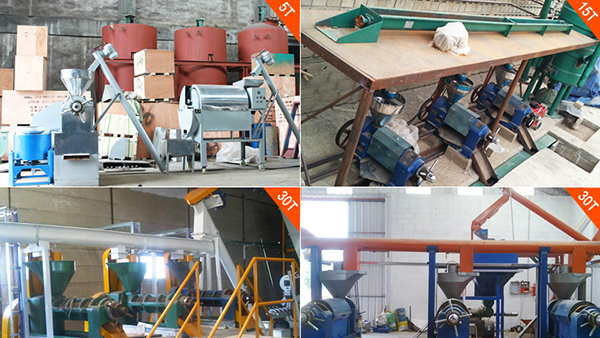
Understanding the challenges faced by plant operators, the design team has prioritized ease of operation and maintenance. Features such as quick-release components, intuitive control panels, and modular construction reduce downtime and facilitate rapid cleaning cycles—vital for maintaining hygiene standards in food, chemical, and pharmaceutical applications.
Furthermore, the equipment’s power consumption is reduced by approximately 15-20% compared to traditional models, making it an ideal solution for large-scale industrial producers seeking cost-effective, energy-efficient solutions.
The entire manufacturing process is governed under the rigorous ISO9001:2000 quality management system, underscoring Penguin Group's commitment to delivering consistent and reliable performance. Key quality checkpoints throughout assembly, rigorous material inspections, and functional testing ensure each unit meets stringent industry benchmarks.
Beyond production, the comprehensive after-sales program offers remote support, spare parts availability, and onsite technical assistance, enhancing user confidence and minimizing operational disruptions. These factors collectively contribute to long-term ROI and plant efficiency.

Real-world deployments within the food processing, chemical manufacturing, and pharmaceutical sectors validate the machine’s adaptability and stable performance. For example, a major food processor reported a 20% increase in oil purity alongside significantly reduced oxidative degradation, critical for preserving nutritional quality.
Similarly, chemical industry clients benefit from the equipment’s ability to handle diverse raw materials without compromising throughput or requiring extensive recalibration. These case studies highlight the machine’s robustness and versatility across multiple industrial contexts.
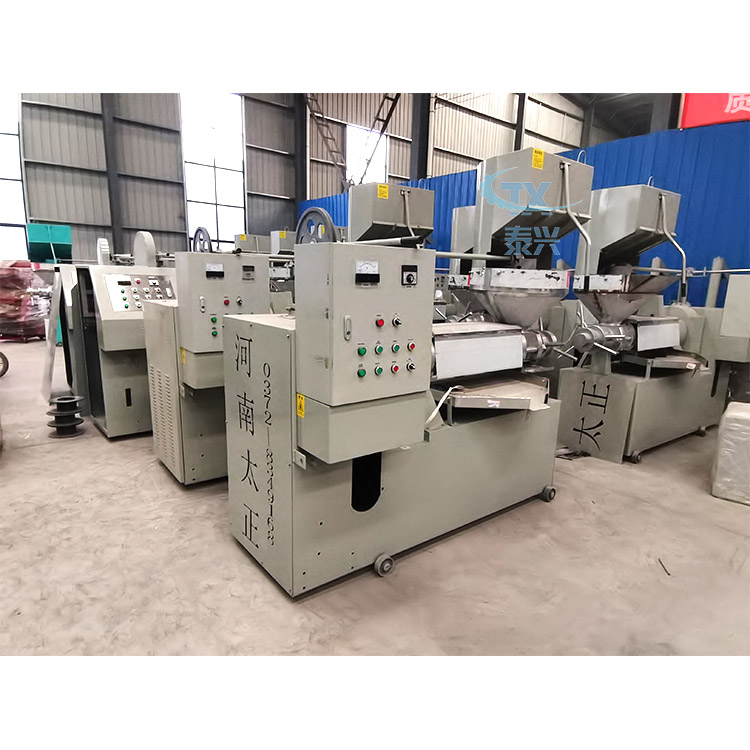
Current market analyses reveal a growing demand for energy-efficient cold-press oil equipment in response to stricter environmental regulations and rising energy costs. Penguin Group’s design philosophy—optimizing material selection and mechanical architecture—positions the company ahead of emerging industry trends.
Operational metrics indicate an average energy consumption of 0.8 kWh per kilogram of extracted soybean oil, outperforming many competitors by up to 25%. Such efficiency gains underscore the cost and environmental benefits achievable with modern cold-pressing technology.
By integrating technological innovation with proven quality management and customer-centric service, Penguin Group establishes a strong unique selling proposition (USP) in the industrial cold-press oil machine market. Their strategic branding focuses on reliability, sustainability, and value addition, framing a narrative compelling to procurement specialists and technical decision-makers alike.
Potential buyers are encouraged to explore how this advanced solution can elevate production efficiency, reduce operational costs, and support sustainable manufacturing mandates.
Did you know?
The implementation of energy-saving mechanisms in oil press machines has resulted in a reduction of industrial energy usage by over 10% globally, reflecting a broader shift towards sustainable industrial equipment.








.jpg?x-oss-process=image/resize,h_1000,m_lfit/format,webp)




