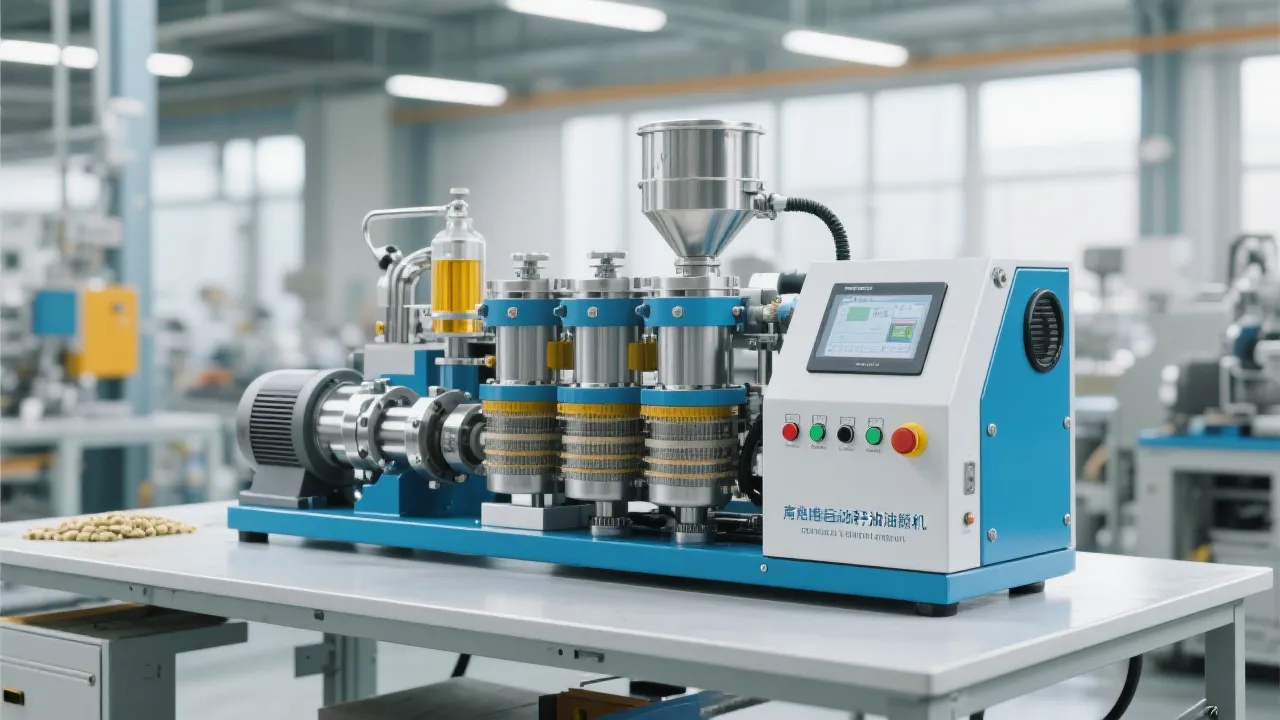
As an operator working with vegetable oil processing equipment, you've likely faced the challenge of balancing production output with energy costs. The modern energy-efficient high-pressure hydraulic oil press represents a significant advancement in resolving this dilemma. Let's explore how this equipment achieves 30% energy savings while improving oil extraction rates.
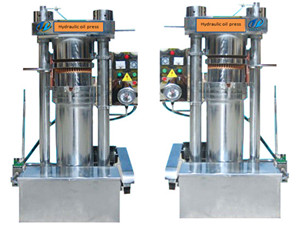
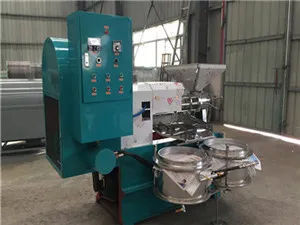
Every energy-efficient hydraulic oil press consists of three integrated systems working in harmony to deliver exceptional results. Understanding how these components interact will help you optimize your operations and troubleshoot effectively when needed.
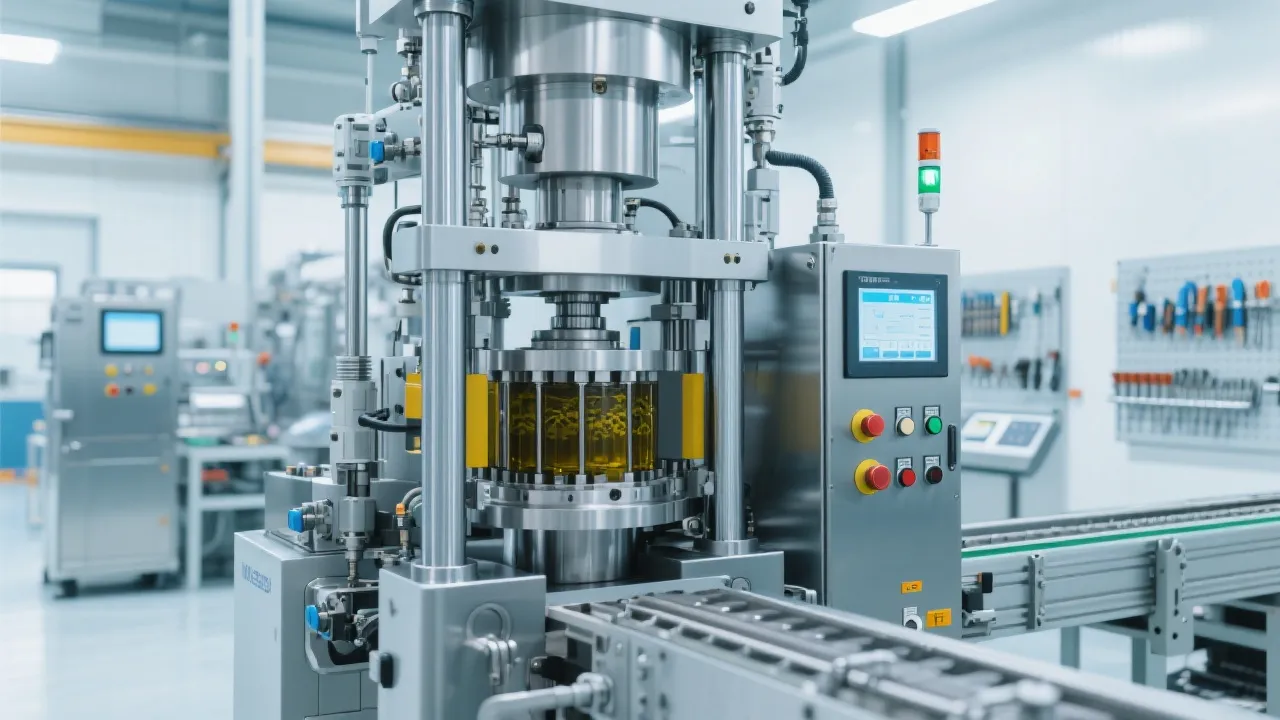
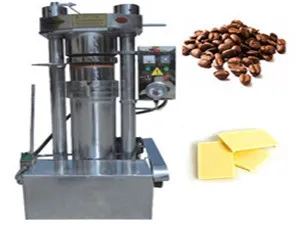
The heart of your machine, where raw materials undergo pressure extraction. The precision-engineered pressing chamber maintains consistent pressure distribution, directly impacting your oil yield—typically 1-3% higher than conventional models.
This advanced system converts electrical energy to hydraulic force with minimal loss. The variable displacement pump adjusts output based on demand, eliminating energy waste during idle periods.
Your command center featuring programmable logic controllers (PLC) that monitor and adjust pressure, temperature, and cycle times, ensuring optimal conditions for different oilseeds.
The true innovation behind your energy savings lies in the advanced hydraulic power unit. Unlike traditional systems that operate at fixed speeds, our technology incorporates several key improvements:
Traditional oil presses waste energy by running at full power continuously. Our variable speed pump adjusts its output based on real-time pressure requirements, reducing energy consumption by up to 30% during typical operation. This intelligent adaptation means you only use the energy needed for the specific oilseed you're processing.
Precision-machined cylinders with minimal internal friction ensure maximum force transfer with minimal energy loss. The hardened chrome-plated rods reduce wear and extend service life by an average of 40% compared to standard cylinders, reducing maintenance downtime.
Heat buildup is the enemy of hydraulic efficiency. Our integrated cooling system maintains optimal operating temperature (typically 45-55°C), preventing energy loss due to viscosity changes in hydraulic fluid and extending fluid life by 50%.
While modern hydraulic presses incorporate numerous safety features, proper operating procedures remain essential for both operator safety and equipment longevity. Before each shift, follow this quick inspection routine:
Remember that even with advanced safety features, common违规操作 can lead to serious incidents. Never bypass safety interlocks, operate the machine with guards removed, or exceed recommended pressure settings for specific oilseeds.
Following standardized procedures ensures consistent results and equipment protection. Here's your optimized startup sequence:
.jpg)
Proactive maintenance is key to preserving your equipment's efficiency and extending its service life. Implement this regular maintenance schedule:
| Issue | Possible Cause | Solution |
|---|---|---|
| Low oil yield | Incorrect pressure setting or seed preparation | Adjust pressure according to seed type; check seed moisture content (ideal 6-8%) |
| Excessive energy consumption | Hydraulic fluid viscosity issues or filter blockage | Check fluid temperature; replace filters; verify fluid viscosity |
| Pressure fluctuations | Air in hydraulic system or pump issues | Bleed air from system; check pump pressure settings |
The low-speed, high-pressure design of your hydraulic press is engineered for maximum efficiency. To fully leverage this technology, consider these operational strategies:
Many operators report that these practices, combined with the machine's inherent efficiency features, result in not just the advertised 30% energy savings, but in some cases up to 35% reduction in energy costs compared to older equipment.
Access our comprehensive operation manual with advanced tips for maximizing efficiency and troubleshooting guidance.
Download Complete Operation GuideAs you continue working with your energy-efficient hydraulic oil press, remember that small adjustments in operation and maintenance can lead to significant improvements in both yield and energy savings. The technology is designed to adapt to various oilseeds and processing conditions, but your expertise in optimizing these variables will ultimately determine your success. Don't hesitate to reach out to technical support whenever you encounter challenges or have questions about maximizing your equipment's performance.










.jpg?x-oss-process=image/resize,h_1000,m_lfit/format,webp)