
In today's competitive edible oil production industry, efficiency and sustainability have become key differentiators for businesses aiming to maximize profitability while minimizing environmental impact. The energy-efficient high-pressure hydraulic oil press represents a significant advancement in oil extraction technology, offering remarkable improvements in oil yield, energy conservation, and operational safety. This comprehensive guide will explore the technical aspects of this innovative equipment, providing valuable insights for both new and experienced operators.
Industry Insight:
Modern hydraulic oil presses can achieve oil extraction rates up to 98% of the theoretical maximum, significantly outperforming traditional screw presses which typically yield 85-90%. This translates to an additional 5-10% oil production from the same raw materials, directly impacting bottom-line profitability.
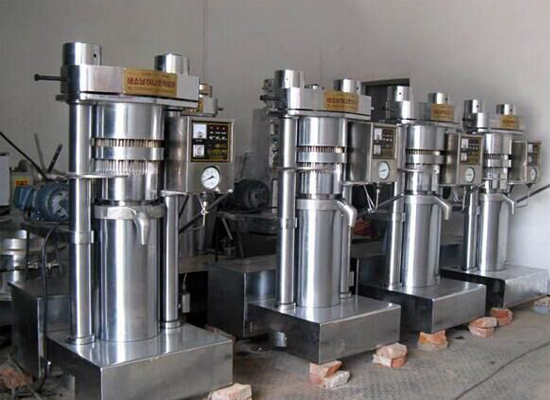
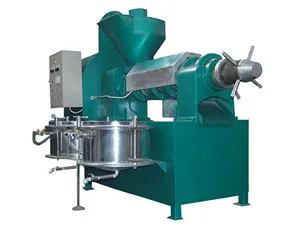
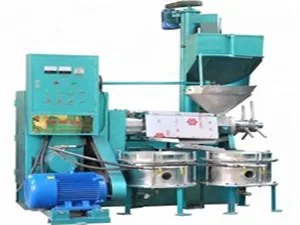
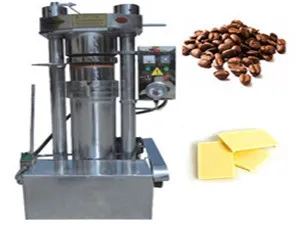
The energy-efficient high-pressure hydraulic oil press comprises several critical components working in harmony to deliver optimal performance. Understanding each part's function is essential for proper operation and maintenance.
The heart of the system, featuring advanced variable displacement pumps that adjust output based on demand, reducing energy consumption by up to 30% compared to conventional fixed-speed systems.
Precision-engineered with food-grade stainless steel, designed to apply uniform pressure up to 60 MPa while maintaining optimal temperature control for different oilseeds.
Intelligent PLC-based control with touchscreen interface, allowing operators to store up to 20 different pressing programs for various oilseeds, ensuring consistent results and reducing human error.
Incorporates multi-stage filtration that removes impurities down to 5 microns, producing high-quality oil that requires minimal post-processing.
Safety should always be the top priority when operating hydraulic equipment. Follow these essential guidelines to ensure a secure working environment:
Proper startup and shutdown sequences are critical for equipment longevity and safety. Follow these steps for optimal performance:
Regular maintenance is essential to keep your hydraulic oil press operating at peak efficiency and extend its service life. Implement this maintenance schedule:
| Maintenance Task | Frequency | Expected Benefit |
|---|---|---|
| Hydraulic oil check and top-up | Daily | Prevents pump damage and ensures proper pressure |
| Filter replacement | Every 500 operating hours | Maintains oil cleanliness and system efficiency |
| Hydraulic oil change | Every 2000 operating hours | Prevents oil degradation and component wear |
| Seal inspection and replacement | Every 6 months | Prevents leaks and maintains pressure efficiency |
The hydraulic power unit represents the most significant opportunity for energy savings in modern oil press equipment. Advanced systems incorporate several innovative features:
Even with proper maintenance, occasional issues may arise. Here's how to diagnose and resolve the most common problems:
Possible causes: Low oil level, clogged filter, worn pump components
Solution: Check oil level and top up if necessary. Replace filter if pressure doesn't improve. If problem persists, inspect pump for wear.
Possible causes: Improper seed preparation, uneven heating, worn pressing chamber
Solution: Verify seed moisture content and particle size. Check heating elements for proper function. Inspect chamber for wear patterns.
Discover how QIE Group energy-efficient hydraulic oil press can increase your yield by up to 10% while reducing energy costs by 30%. Our technical team provides comprehensive support from installation to ongoing maintenance.
Request a personalized efficiency analysisOur oilseed processing specialists are available for virtual demonstrations and technical consultations
By implementing the operational and maintenance guidelines outlined above, operators can maximize the performance and lifespan of their hydraulic oil press equipment. The combination of advanced hydraulic technology, proper maintenance, and optimal operating procedures will result in higher oil yields, lower energy consumption, and improved overall productivity.
Continuous learning about new techniques and equipment advancements is essential in the rapidly evolving oil processing industry. Regularly consulting with equipment manufacturers and industry experts ensures that your operation remains at the forefront of efficiency and quality standards.


.jpg?x-oss-process=image/resize,h_1000,m_lfit/format,webp)





.jpg)