Energy-Saving High-Pressure Hydraulic Oil Press Operation Guide: Boost Oil Yield & Extend Machine Life
26 02,2026
Tutorial Guide
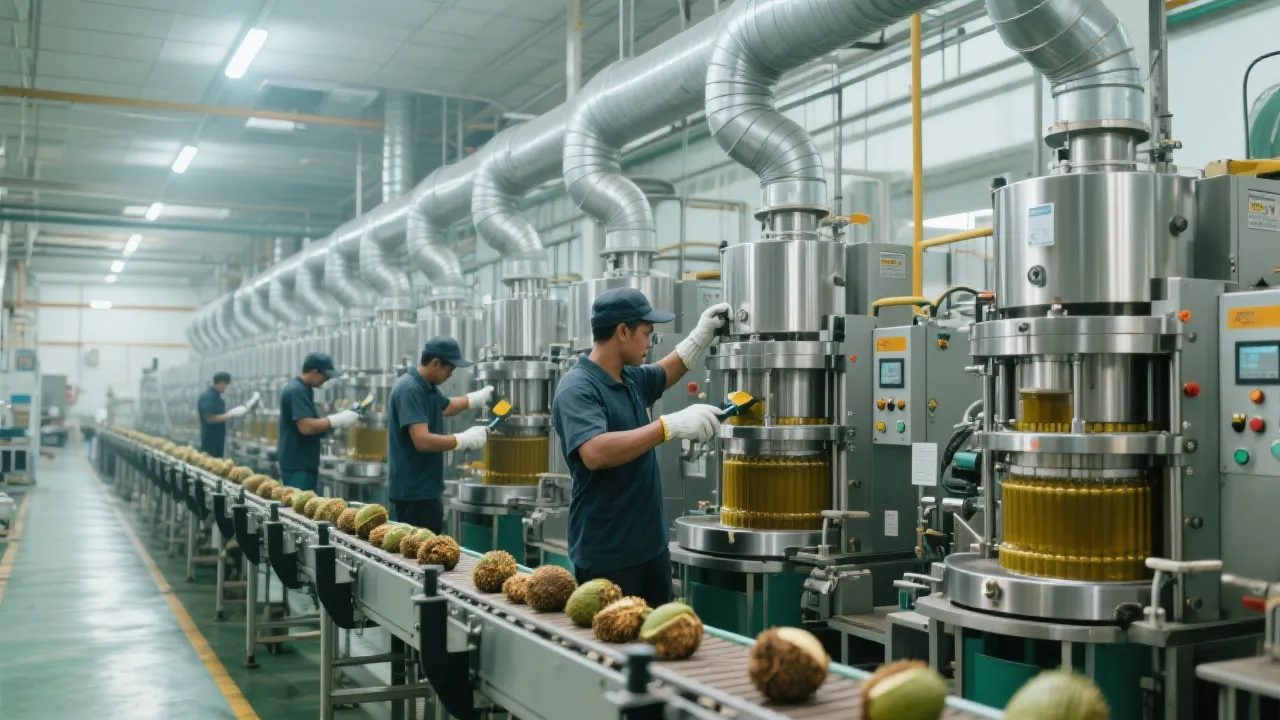
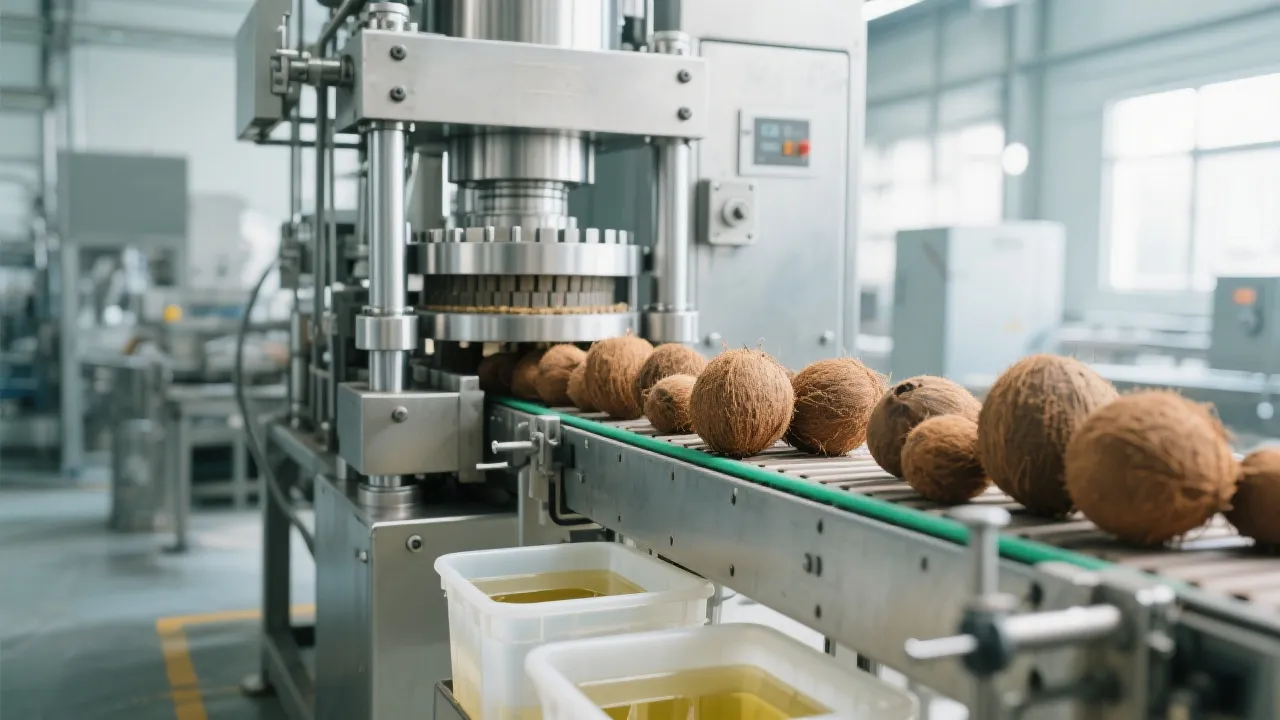
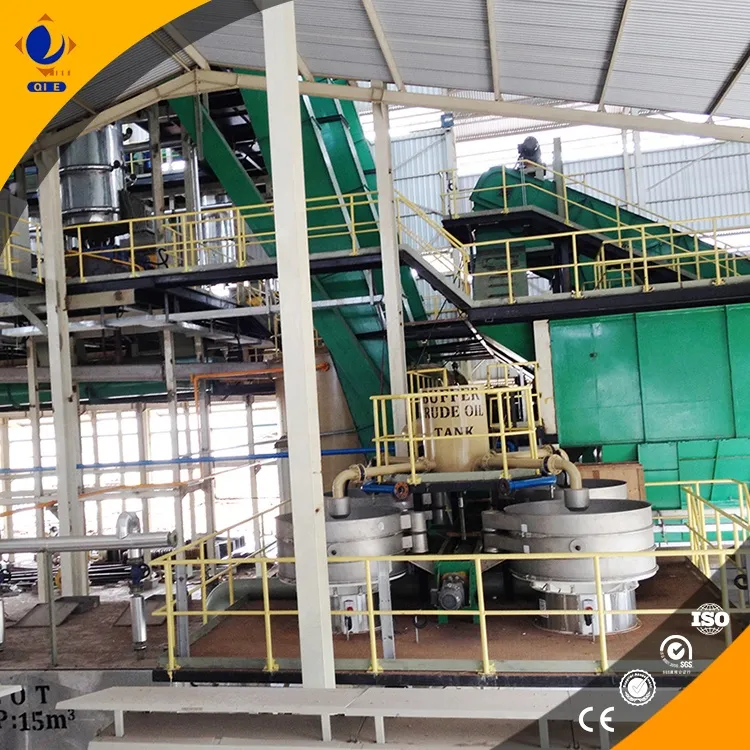
Want to improve oil pressing efficiency and extend equipment lifespan? This guide details the standardized operation procedures for energy-saving high-pressure hydraulic oil presses, from structural understanding and safety precautions to startup steps, daily maintenance, and troubleshooting. Even without technical background, you can quickly get started, fully utilize the energy-saving advantages of the advanced hydraulic power unit to achieve over 30% electricity savings and maximize oil yield, helping you easily master the core skills of efficient oil pressing.

Mastering Your Energy-Efficient Hydraulic Oil Press: A Comprehensive Guide
Unlock the full potential of your equipment with proper operation techniques that boost oil yield while extending machine lifespan. Whether you're new to hydraulic pressing technology or looking to optimize your current process, this guide will walk you through everything you need to know.
Understanding Your Machine's Core Components
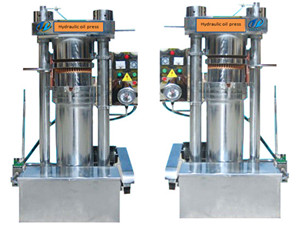
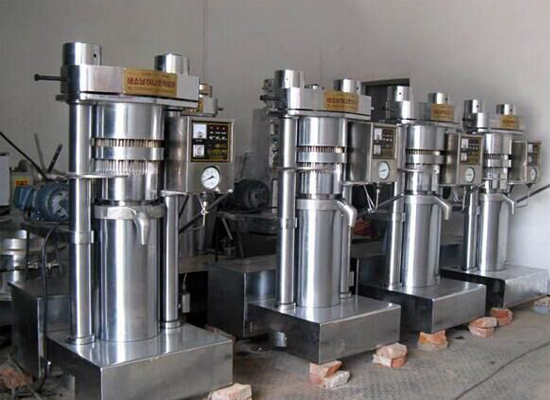
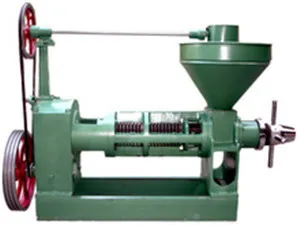
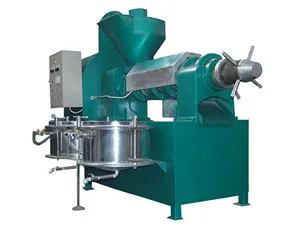
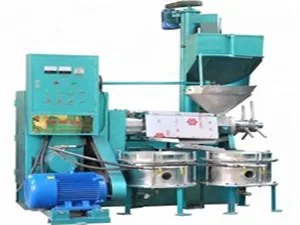
To operate your hydraulic oil press effectively, it's essential to understand how its key components work together. The efficiency of your oil extraction process depends on the harmonious interaction of three main systems:
- Main Pressing Unit: This is where the actual oil extraction happens. The chamber design and pressing screw directly impact your final oil yield, typically ranging from 75-92% depending on the seed type.
- Hydraulic Power System: The heart of your machine, providing the pressure needed for extraction. Modern systems operate at pressures between 30-60 MPa for optimal results.
- Control Panel: The brain of your operation, allowing you to monitor and adjust pressure, temperature, and cycle times for different seed varieties.
Critical Safety Procedures Before Operation
Your safety and the longevity of your equipment depend on proper pre-operation checks. According to industry safety standards, following these procedures reduces accident risks by up to 85%:
Safety First Checklist:
- Verify all safety guards are properly installed and functional
- Check hydraulic fluid levels – insufficient fluid causes 60% of system failures
- Inspect hoses and connections for wear or damage
- Ensure emergency stop button is accessible and operational
- Wear appropriate PPE: gloves, safety glasses, and non-slip footwear
Step-by-Step Startup Procedure
Follow this standardized startup sequence to ensure optimal performance and safety. This process takes approximately 5-7 minutes from start to full operation:
Standardized Startup Sequence:
- Power on the control panel and allow the system to initialize (30 seconds)
- Set appropriate temperature based on seed type (typically 40-65°C)
- Start the hydraulic system in idle mode to circulate fluid
- Gradually increase pressure to the recommended level for your seed variety
- Begin feeding material at the recommended rate (refer to your seed chart)
- Monitor initial oil output and adjust pressure if necessary
Proactive Maintenance for Extended Equipment Life
Regular maintenance is the key to maximizing your machine's lifespan and maintaining consistent performance. Properly maintained equipment typically lasts 7-10 years, compared to 3-5 years with neglect.
| Maintenance Task |
Frequency |
Benefits |
| Hydraulic fluid change |
Every 500 operating hours |
Prevents system corrosion and wear |
| Filter replacement |
Every 250 operating hours |
Maintains oil cleanliness and system efficiency |
| Lubrication of moving parts |
Daily before operation |
Reduces friction and energy consumption |
| Pressure system inspection |
Weekly |
Ensures consistent pressure and prevents leaks |
Troubleshooting Common Issues
Even with proper maintenance, occasional issues may arise. Addressing problems promptly minimizes downtime and prevents secondary damage. Here's how to diagnose and resolve the most common issues:
Common Problems and Solutions:
- Insufficient pressure: Check hydraulic fluid level first, then inspect for leaks or pump issues. 70% of pressure problems stem from low fluid or clogged filters.
- Oil leakage: Tighten connections first; if persistent, replace worn seals. Address immediately to prevent fluid loss and environmental contamination.
- Reduced oil yield: Verify temperature settings and check for worn pressing components. Different seeds require specific temperature profiles for optimal extraction.
- Excessive noise: Often indicates air in the hydraulic system or worn bearings. Bleed the system or contact service for bearing replacement.
Maximizing Energy Efficiency: The 30% Savings Advantage
Modern hydraulic oil presses incorporate advanced energy-saving technology that can reduce electricity consumption by up to 35% compared to older models. To fully utilize these efficiency features:
Energy-Saving Best Practices:
- Utilize the variable speed drive for different seed types – reduces energy use by 15-20%
- Maintain optimal operating temperature to prevent energy waste
- Implement batch processing during off-peak electricity hours when possible
- Keep hydraulic components properly lubricated to reduce friction and energy loss
- Regularly clean heat exchangers to maintain cooling efficiency
Real-World Success: From Good to Great Results
Consider the experience of GreenHarvest Oils, a mid-sized processor that implemented these operational techniques. Within three months, they documented:
+8.5%
Increase in oil yield
32%
Reduction in energy costs
Ready to Optimize Your Oil Pressing Operations?
Get personalized guidance from our technical experts and access exclusive resources to maximize your equipment's performance.
Download Your Complete Operation Manual Now
Remember that every seed type has unique characteristics requiring specific processing parameters. Keeping detailed records of your settings and results will help you continuously refine your process for optimal outcomes. With patience and practice, you'll soon be operating your hydraulic oil press like a seasoned professional, reaping the benefits of higher yields, lower energy costs, and extended equipment life.


.jpg?x-oss-process=image/resize,h_1000,m_lfit/format,webp)







.jpg?x-oss-process=image/resize,h_1000,m_lfit/format,webp)