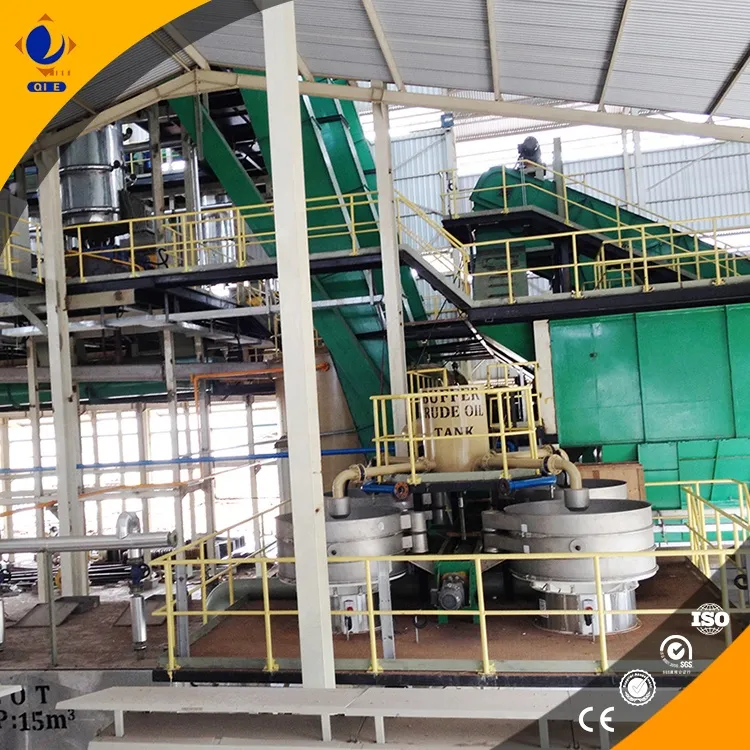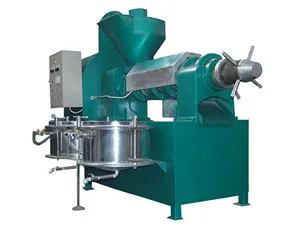
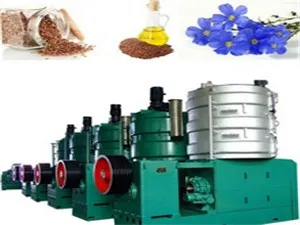
For food manufacturers, chemical processors, and pharmaceutical producers seeking sustainable and efficient oil extraction, the energy-saving cold-press screw oil press is no longer just an option—it's a competitive advantage. But how does it actually deliver higher oil yields while using less power? Let’s break down the engineering behind the performance.
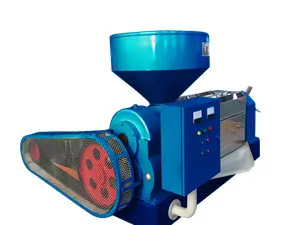
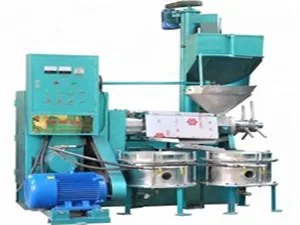
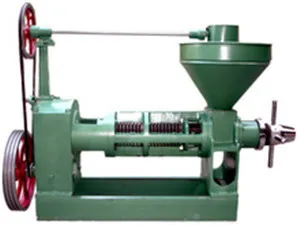
The heart of this machine lies in its optimized spiral shaft and compression chamber design. Unlike traditional presses that rely on brute force, modern cold-press models use a multi-stage pressure profile—gradually increasing force from inlet to outlet. This reduces friction and allows for better oil separation without overheating the soybeans.
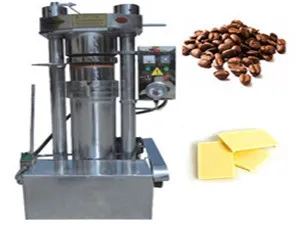
Real-world data shows a 20–25% increase in oil yield compared to older hydraulic systems, especially when processing high-quality soybeans with moisture levels between 8–12%. The energy consumption drops by up to 30% thanks to reduced mechanical resistance and smart motor control.
High-grade stainless steel (AISI 304/316) and hardened alloy components ensure long-term operation under continuous load. These materials resist corrosion from residual oils and reduce wear—a key factor in maintaining consistent output over time. One client in Malaysia reported zero downtime due to part failure after 18 months of daily operation.
“The difference isn’t just in numbers—it’s in reliability. Our production team now runs two shifts instead of one because the machine doesn’t overheat or stall.” — Rajiv Patel, Operations Manager, AgroTech Foods, India
ISO 9001:2000 certification ensures every unit undergoes rigorous testing—from raw material inspection to final assembly. This includes vibration analysis, torque calibration, and thermal stability checks. For global buyers, this means predictable performance and fewer compliance risks during export inspections.
Industries like food-grade oil production, cosmetics, and even biofuel manufacturing have adopted these machines for their ability to maintain purity and consistency across batches—critical for meeting international standards like HACCP and FDA.
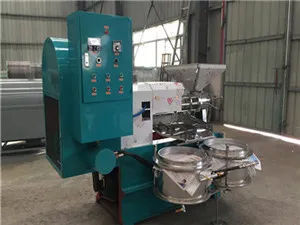



.jpg?x-oss-process=image/resize,h_1000,m_lfit/format,webp)