Energy-Saving Techniques and Common Pitfalls in Industrial Soybean Oil Cold Pressing
22 01,2026
Application Tips
This article explores how to achieve energy efficiency and consumption reduction in industrial soybean oil cold pressing through optimized equipment selection and operational practices. It highlights the technical advantages of industrial-grade spiral oil presses, including spiral shaft design, efficient sealing mechanisms, and material selection, emphasizing their impact on energy consumption compared to traditional machines. The paper also identifies frequent operational mistakes such as excessive speed and neglecting moisture control, providing practical tips that help boost oil yield and reduce unit electricity consumption by over 30% while maintaining stable food-grade quality. Designed for processing enterprises aiming for high efficiency and low-cost operations, this guide offers actionable insights from procurement to daily use.
Energy-Efficient Practices in Soybean Oil Cold Pressing: Practical Tips and Common Pitfalls
Optimizing energy consumption in soybean oil cold pressing is critical for processors aiming to minimize costs while maintaining high oil quality. Selecting the right equipment and fine-tuning operational parameters can reduce electrical usage by over 30% per ton of input, translating into substantial savings. This article explores the key technical advantages of industrial-grade spiral screw oil presses, contrasts them with traditional machinery, and highlights actionable strategies to enhance pressing efficiency.
Intelligent Equipment Selection: Core Parameters Matter
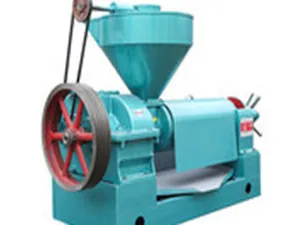
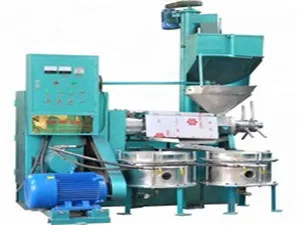
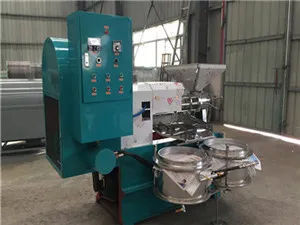
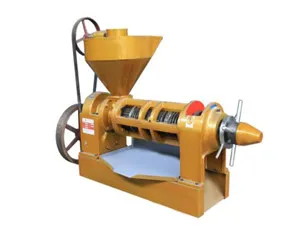
At the heart of energy-efficient cold pressing lies the choice of a high-performance spiral screw press featuring:
- Optimized spiral shaft design: Enhances mechanical leverage, leading to a pressing efficiency exceeding 85%, compared to sub-75% in conventional models.
- Advanced sealing systems: High-quality seals prevent oil leakage and air ingress, reducing energy loss during operation.
- Durable, corrosion-resistant materials: Stainless steel grade 316 or premium alloys extend machine uptime and reduce maintenance frequency.
“Consistent ISO9001 certification ensures your equipment maintains stable long-term performance, a vital factor in energy and oil yield optimization.” – Industry Expert
Operational Controls for Energy Consumption Reduction
Fine control during pressing drives tangible energy savings:
- Feed rate synchronization: Matching input flow speed with screw speed avoids overloading and wasted torque, optimizing motor power usage.
- Temperature management: Maintaining press chamber temperature below 50°C retains cold-pressed status while reducing viscous resistance and electrical load.
- Moisture regulation: Adjusting soybean moisture content to an optimal range of 10-12% is crucial — too dry leads to poor oil release, too wet requires extra compression, increasing energy use.
Common Missteps Detrimental to Energy Efficiency
Awareness of operational errors allows you to avoid energy wastage:
- Excessive press speed: Pushing the screw beyond rated RPM generates friction heat and mechanical strain, elevating power draw by 15-20% and compromising oil quality.
- Neglecting routine maintenance: Ignoring lubrication and seal integrity leads to power spikes and downtime.
- Improper cleaning: Residual cake buildup reduces pressing efficiency, forcing longer running times and higher electricity bills.
For example, one soybean oil processor reduced unit electricity consumption from 60 kWh/ton to 42 kWh/ton after implementing moisture control and screw speed optimization, amounting to a 30% decrease in energy cost per production cycle.
Data-Driven Insights: Energy Efficiency Comparison
A recent simulation study comparing a modern spiral screw press with a legacy batch-type cold press revealed:
- Energy consumption: 40 kWh/ton vs. 65 kWh/ton
- Oil yield: 18% vs. 14%
- Operational uptime: 92% vs. 75%
Such numbers underscore equipment choice impact, while smart operational oversight furthers resource savings.
Pragmatic Recommendations for Sustainable Cold Pressing
To elevate your cold pressing energy profile, consider the following:
- Invest in spiral screw presses with ISO9001-certified manufacturing quality.
- Implement real-time monitoring to adjust feeding speed and screw RPM dynamically.
- Maintain soybean moisture within 10-12% before pressing.
- Schedule regular machine maintenance focusing on sealing and lubrication.
- Train operators on cold pressing best practices emphasizing energy consumption metrics.