
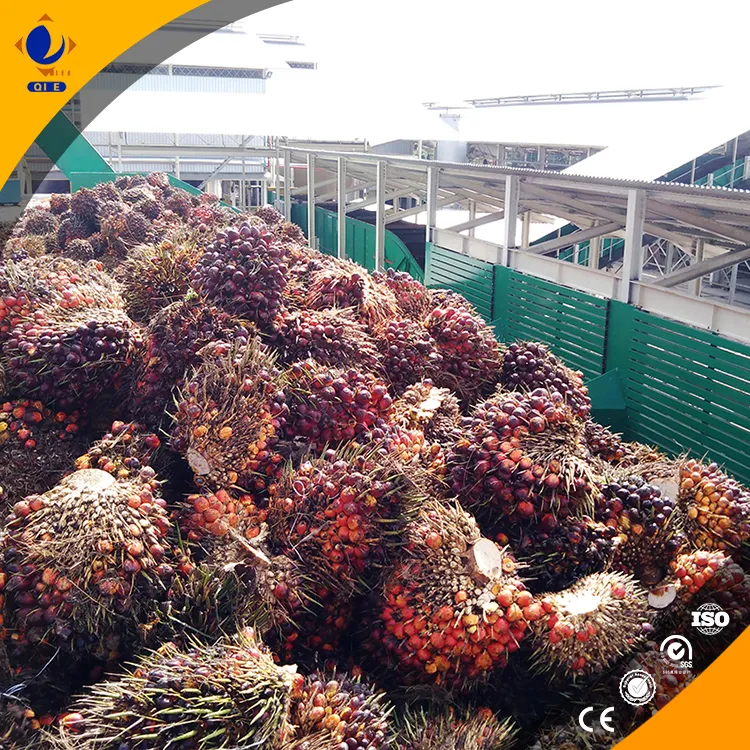
In the context of the ongoing health - conscious consumption upgrade, there is a significant transformation need in the oil processing industry. Market research indicates that in the EU, the demand for natural, additive - free edible oils has been growing at an annual rate of approximately 12% over the past five years. This trend is driven by consumers' increasing awareness of health and environmental protection. Against this backdrop, traditional oil processing methods are facing challenges, and a shift towards more advanced and compliant techniques is imperative.
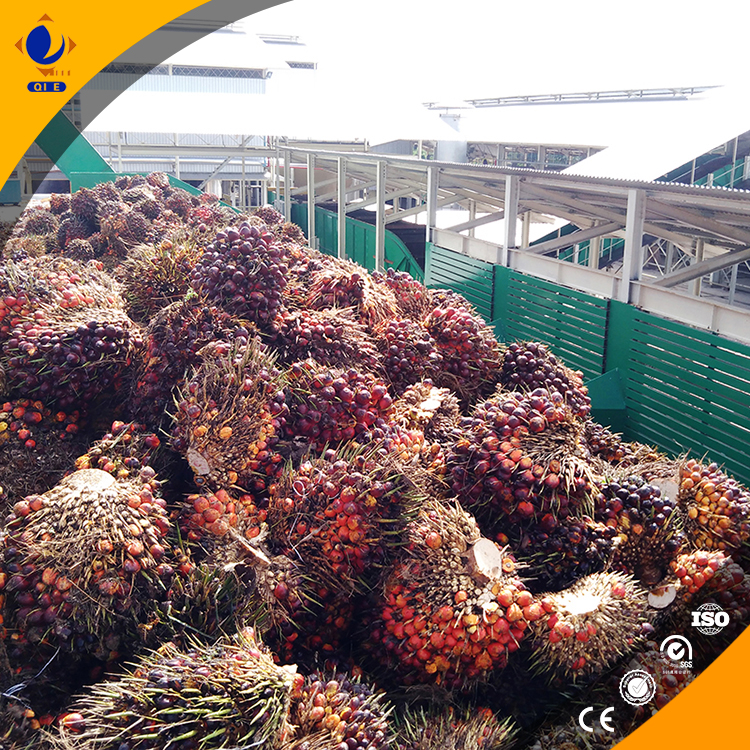
Cold - pressing technology is a revolutionary approach in oil processing. Unlike traditional hot - pressing, cold - pressing operates at lower temperatures, typically below 40°C. This low - temperature process helps to retain a much higher percentage of the oil's natural nutrients. For instance, in the production of sunflower seed oil, cold - pressed oil can retain up to 90% of the original vitamin E content, while traditional hot - pressed oil may only retain about 60%. The following table compares the key differences between cold - pressing and traditional hot - pressing:
| Parameters | Cold - Pressing | Traditional Hot - Pressing |
|---|---|---|
| Nutrient Retention | High (e.g., 90% vitamin E in sunflower seed oil) | Low (e.g., 60% vitamin E in sunflower seed oil) |
| Taste | More natural and pure | May have a cooked or altered taste |
| Oxidation Risk | Low | High |
Export food enterprises face strict compliance challenges when entering the EU market. The EU has a comprehensive set of regulations regarding natural, additive - free oils. Cold - pressing technology provides a reliable compliance solution. It meets the EU's requirements for minimal processing and no chemical additives. Moreover, with the increasing emphasis on green policies in the EU, cold - pressed oils are more in line with the market's environmental and health - friendly orientation, which can enhance the market competitiveness of enterprises.

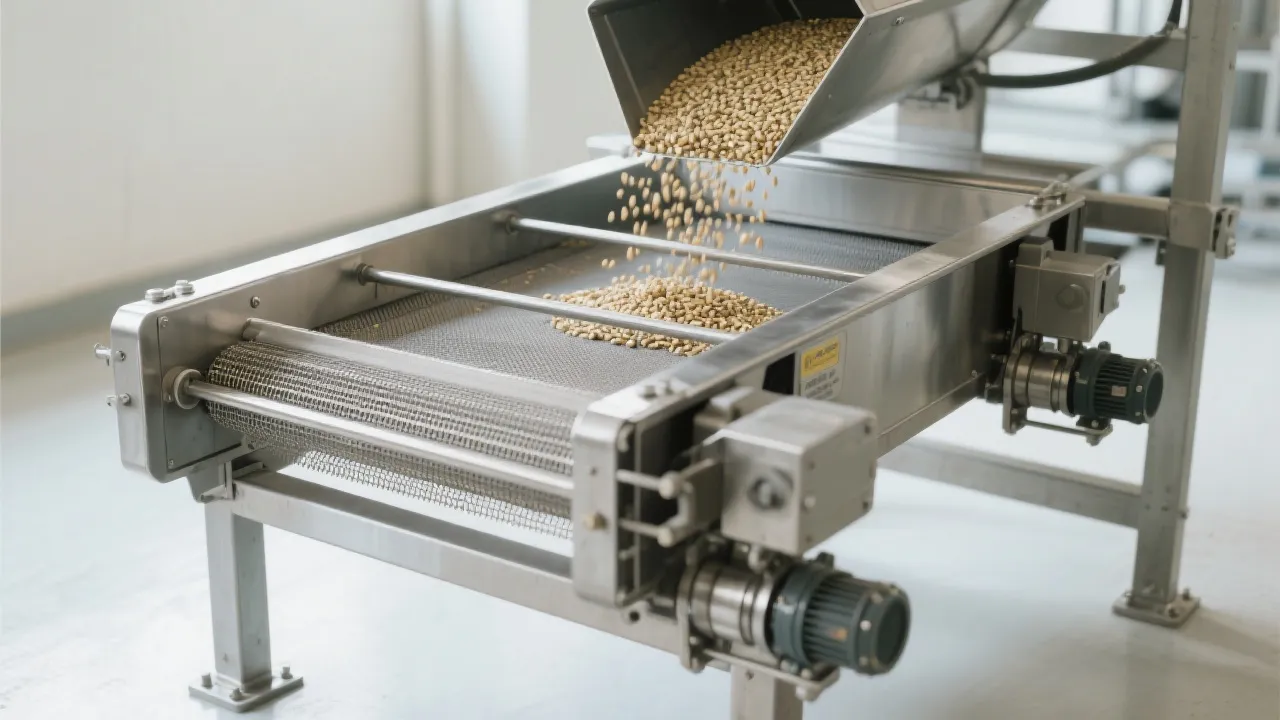
For small and medium - sized oil processing enterprises, transitioning from traditional hot - pressing to cold - pressing is a complex but rewarding process. When it comes to equipment selection, enterprises should consider factors such as production capacity, energy efficiency, and ease of maintenance. For example, a small - scale enterprise with an annual production target of 500 - 1000 tons of sunflower seed oil may choose a cold - pressing machine with a capacity of 1 - 2 tons per day. Operation training is also crucial. Workers need to be trained on the new cold - pressing equipment's operation, safety procedures, and quality control. In terms of product market positioning, enterprises can target health - conscious consumers in the EU, highlighting the natural, nutrient - rich, and compliant features of their cold - pressed oils.
There are some common concerns among enterprises considering the transition to cold - pressing. For example, regarding energy consumption, cold - pressing machines generally consume about 20 - 30% less energy than traditional hot - pressing machines. In terms of production capacity, modern cold - pressing equipment can achieve a relatively high - volume output with proper configuration. Maintenance costs are also reasonable, usually about 10 - 15% of the equipment's annual depreciation value. These answers can help enterprises make more informed decisions.
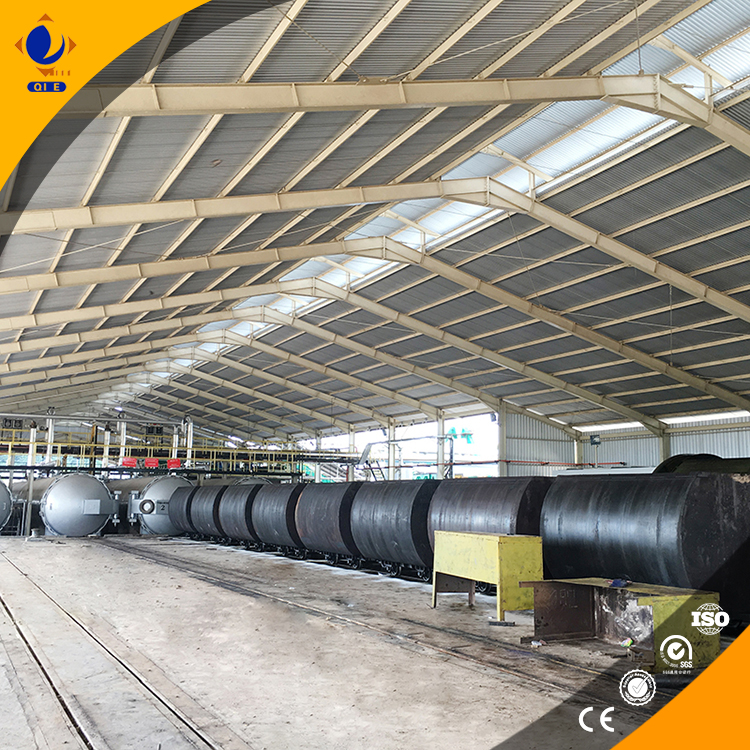
Are you an export food enterprise eager to meet the EU's compliance requirements and capture the market of natural, additive - free oils? Download our detailed operation manual or book a free technical consultation at CTA - URL to learn more about how cold - pressing technology can transform your business!






.jpg?x-oss-process=image/resize,h_1000,m_lfit/format,webp)
 <#else>





