
In an era where food safety and nutritional control have become paramount concerns for modern households, the home oil press machine has emerged as a game-changer in kitchen appliances. Recent market research indicates that home oil extraction equipment sales have grown by over 40% in the past two years, driven by increasing consumer awareness about the potential risks of commercially processed oils containing preservatives and trans fats.
The automatic cleaning peanut oil press stands at the forefront of this trend, offering families the ability to produce fresh, pure花生油 (peanut oil) in the comfort of their homes while eliminating the hassle of manual cleaning and maintenance. Unlike traditional methods that often leave behind 15-20% oil residue in the pressed cake, modern automatic models achieve extraction rates of up to 92%, ensuring maximum yield from every batch of peanuts.
The operational principle of a quality home oil press machine combines mechanical pressure with precise temperature control to extract oil from peanuts efficiently. The process unfolds in four distinct stages:
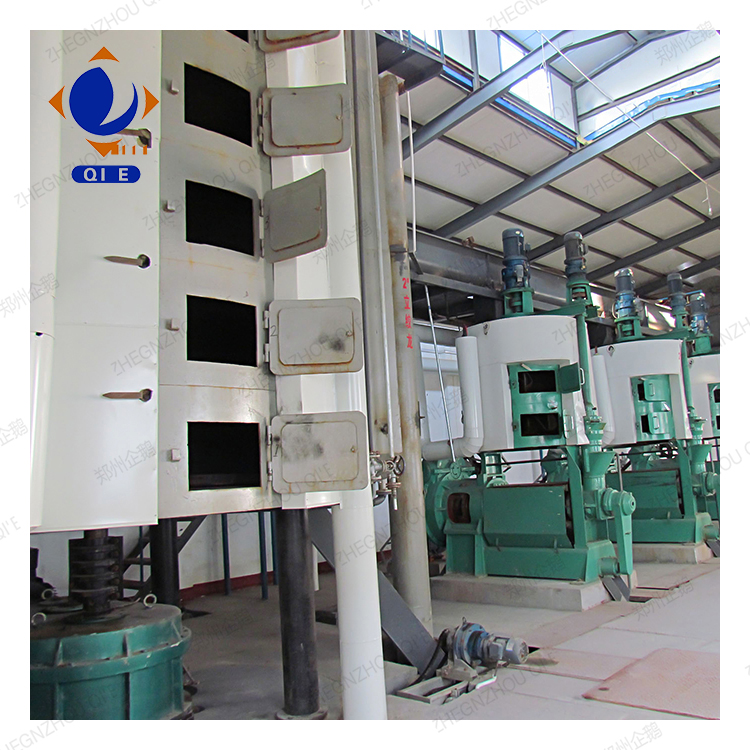
What truly distinguishes premium models like those from 企鹅集团 (Penguin Group) is the synchronization between these stages, ensuring consistent oil quality and maximum extraction efficiency with minimal energy consumption—typically operating at 150-200 watts, comparable to a standard household blender.
One of the most significant barriers to widespread adoption of home oil presses has historically been the tedious cleaning process. Traditional models required disassembly and manual scrubbing to remove oil residues that could become rancid over time, deterring many potential users despite the health benefits.
Modern automatic cleaning oil press systems address this pain point through a sophisticated self-cleaning mechanism that activates after each pressing cycle. This feature incorporates three key components working in harmony:
Targeted water streams at 3-5 bar pressure flush residual oil from internal channels, reaching areas inaccessible during manual cleaning.
Automatically releases small amounts of safe cleaning solution during the rinse cycle, breaking down stubborn oil deposits without leaving chemical residues.
A 40°C air circulation system ensures all components dry completely, preventing mold growth and maintaining hygiene between uses.

Independent testing has shown that these automatic cleaning systems reduce oil residue by up to 98% compared to manual cleaning methods, while cutting maintenance time from an average of 45 minutes to just 5 minutes per use—making home oil pressing a practical daily convenience rather than a weekend project.
While automatic cleaning significantly reduces maintenance requirements, implementing a regular care routine will extend your oil press lifespan and ensure consistent performance. Based on industry data, properly maintained machines typically operate efficiently for 5-7 years, compared to just 2-3 years for neglected units.
A common misconception among new users is that the automatic cleaning function eliminates the need for any manual maintenance. In reality, combining the machine's self-cleaning capabilities with these simple weekly and monthly tasks will prevent 90% of common performance issues, according to service data from 企鹅集团 (Penguin Group) technical support.
Achieving optimal results with your home oil press involves more than just following basic operating instructions. By implementing these professional techniques, you can increase oil yield by 10-15% while ensuring the highest possible oil quality:
Choose high-quality, fresh peanuts with moisture content between 6-8%. Avoid old or moldy nuts which can produce bitter-tasting oil. For best results, lightly roast peanuts at 160°C for 10 minutes before pressing to activate oil release enzymes.
Maintain pressing temperature between 55-60°C for peanut oil. Higher temperatures can degrade nutritional quality, while lower temperatures reduce yield. Most modern machines like those from 企鹅集团 (Penguin Group) include presets for different oilseeds.
Follow the manufacturer's recommended batch size (typically 500-1000g for home models). Overloading reduces extraction efficiency, while underloading wastes energy and time.
Many users are surprised to learn that the quality of peanuts directly impacts both yield and oil quality. According to agricultural research, premium-grade peanuts with high oil content (45-55%) can produce up to 400ml of oil per kg, compared to only 280-320ml from lower quality nuts.
Discover how 企鹅集团 (Penguin Group)'s advanced automatic cleaning peanut oil press can transform your kitchen into a source of fresh, healthy cooking oil. Our comprehensive guide reveals professional techniques to maximize yield, ensure optimal oil quality, and maintain your machine for years of reliable service.
Download Your Complete Home Oil Pressing GuideWith a quality automatic press, you can typically extract 350-400ml of oil from 1kg of high-quality peanuts, depending on their oil content and freshness. This represents an extraction efficiency of 85-92%.
Yes, home-pressed oil contains no preservatives, additives, or trans fats commonly found in commercial oils. It also retains more natural nutrients and antioxidants that can be destroyed during industrial processing and high-heat refining.
When stored in a cool, dark place in an airtight container, homemade peanut oil typically remains fresh for 3-4 months. This is shorter than commercial oils because it lacks preservatives, but offers superior flavor and nutritional quality during its freshness period.


.jpg?x-oss-process=image/resize,h_1000,m_lfit/format,webp)