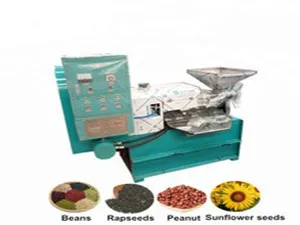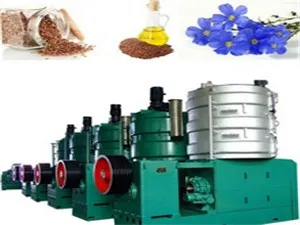
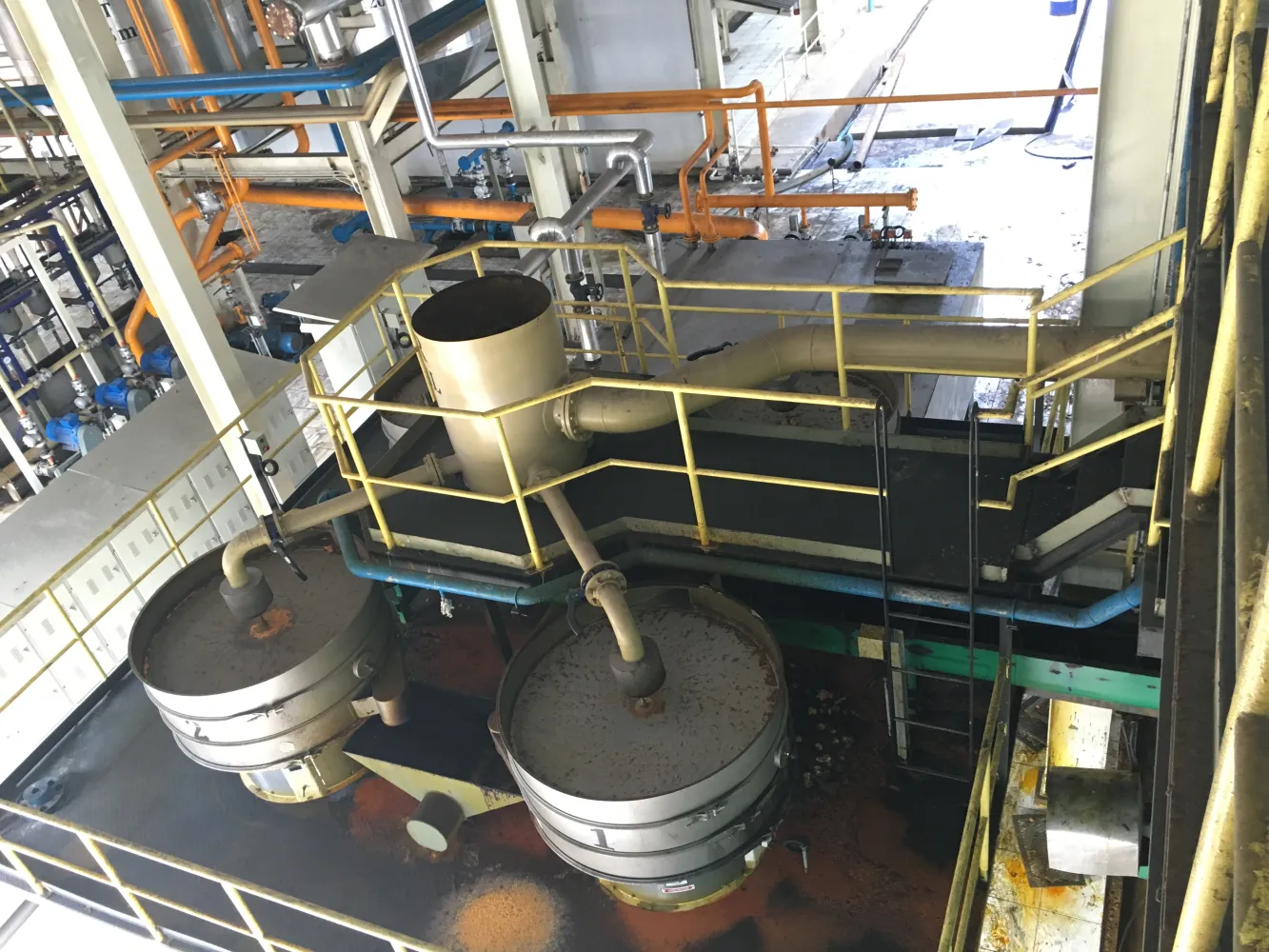
For small and medium-sized oil processing plants operating on tight margins, even a 1% increase in oil yield can translate to thousands of dollars in annual profit. Yet many facilities struggle with yields that fall 5-8% below industry benchmarks, according to data from the International Association of Edible Oil Processors. This performance gap often stems from outdated equipment configurations and suboptimal processing parameters rather than fundamental production limitations.
Small-scale processors face unique challenges that directly impact their bottom line: inconsistent feedstock quality, limited capital for equipment upgrades, and often inadequate technical expertise. These factors contribute to three critical issues:
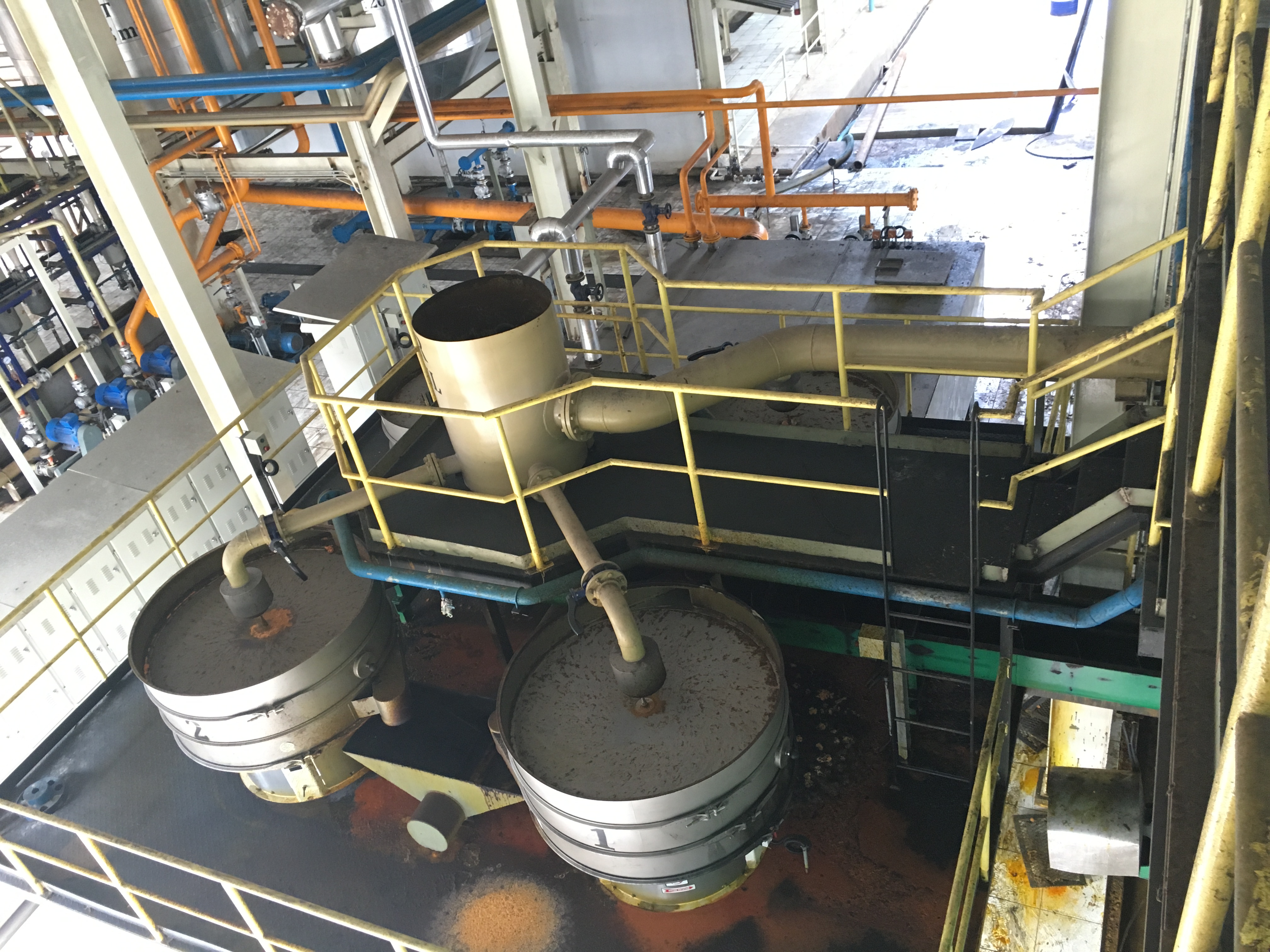
The foundation of maximum oil extraction begins long before the pressing stage. Improperly prepared oilseeds—whether under-conditioned, over-heated, or inconsistently sized—can reduce yields by 4-6%. Optimal moisture content varies significantly by crop: soybeans perform best at 8-10% moisture, while rapeseed requires 6-8% and peanuts 9-11%.
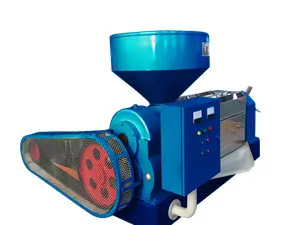
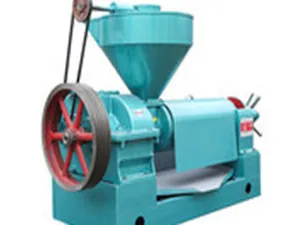
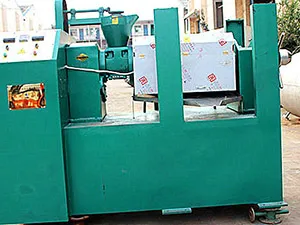
Modern screw press designs incorporating modular components allow processors to quickly adapt to different oilseeds without major equipment overhauls. The QIE Group's innovative pressing systems feature adjustable pressure settings and variable speed controls that can be optimized for specific crops, typically improving yields by 5-8% compared to fixed-parameter machines.
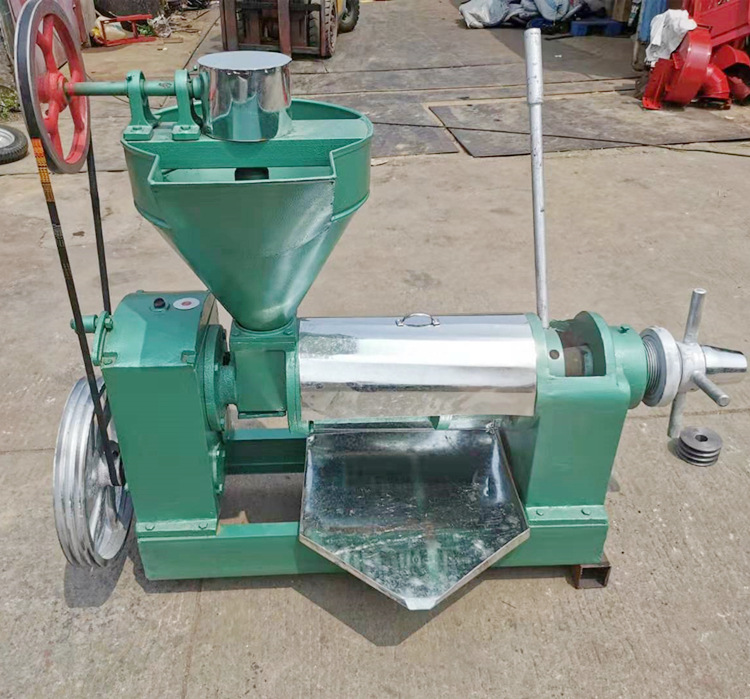
Temperature control during pressing directly impacts both yield and oil quality. While higher temperatures can increase extraction rates, they may compromise oil quality and nutritional value. Optimal pressing temperatures range from 60-70°C for cold-pressed oils to 100-120°C for high-yield industrial processes. Maintaining temperature uniformity within ±2°C is critical for consistent results.
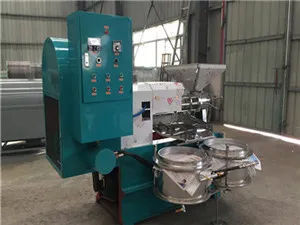
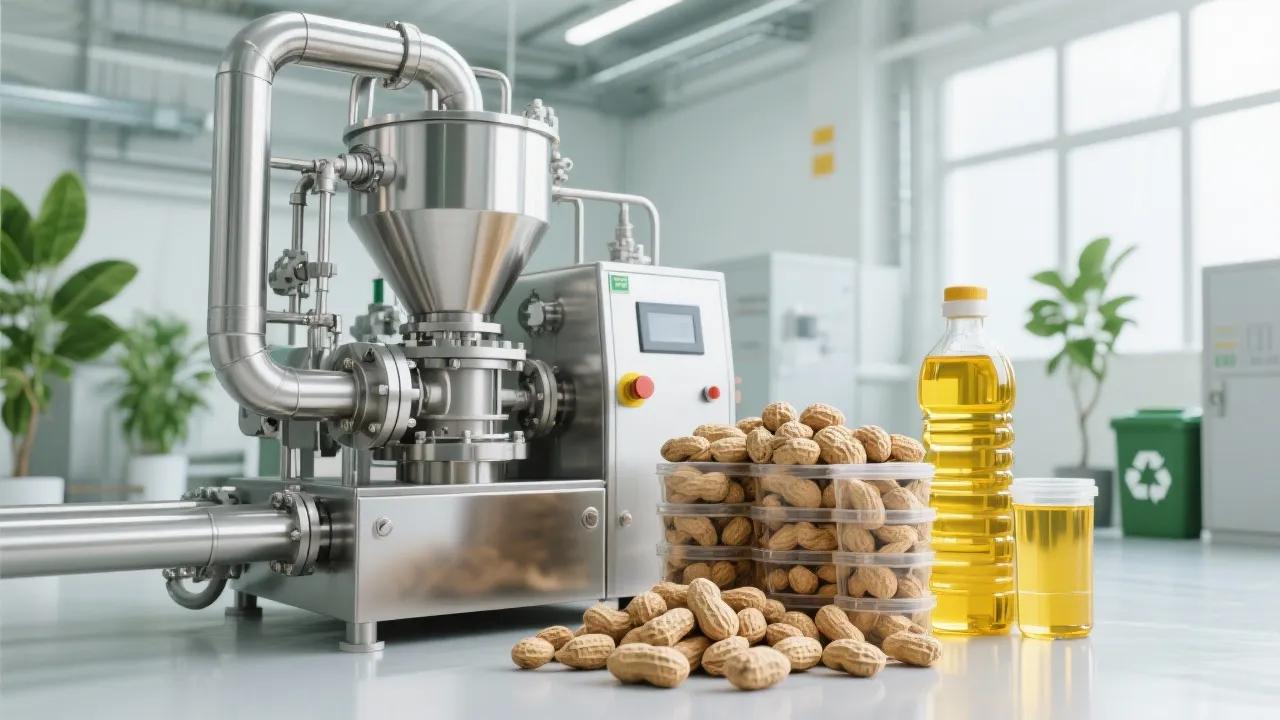
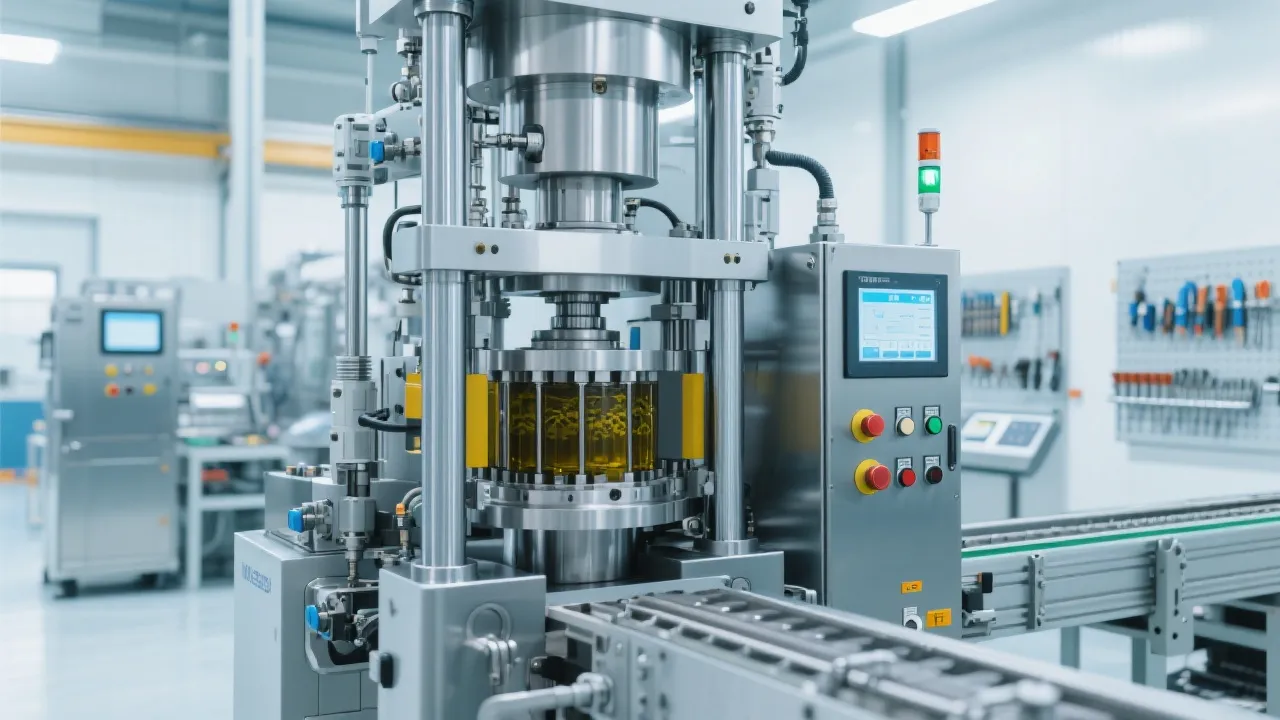
The traditional two-step process of pressing followed by separate filtration creates significant yield losses—often 3-5% of oil remains in filter cakes. The simultaneous pressing and filtering technology eliminates this inefficiency by separating impurities during the pressing cycle itself, resulting in cleaner oil and higher overall yields. This integrated approach typically reduces processing time by 25-30% while improving oil clarity.
A mid-sized processor in Henan Province implemented optimized parameters for different oilseeds, resulting in remarkable improvements:
Beyond immediate yield improvements, modern oil processing equipment offers significant sustainability benefits. Energy-efficient motors and heat recovery systems can reduce energy consumption by 18-22%, while improved filtration reduces water usage in downstream processing by up to 30%. These green technologies not only lower operating costs but also position processors favorably in markets increasingly focused on environmental responsibility.
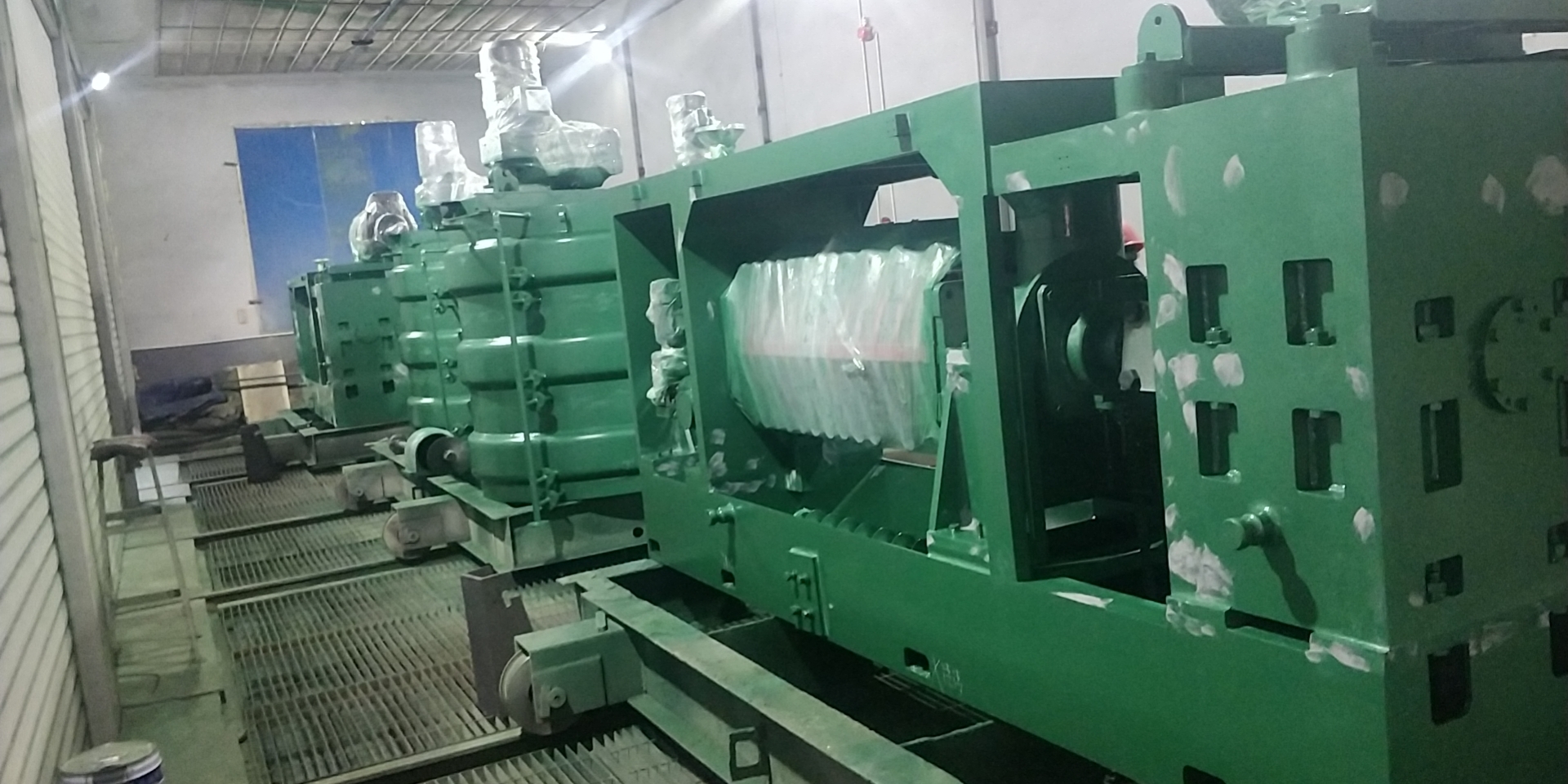
Download our comprehensive Oil Yield Optimization Checklist to identify specific improvement opportunities in your facility. This practical tool helps processors evaluate their current operations against industry best practices and implement targeted improvements.
Get Your Optimization Checklist NowOur technical specialists are available for complimentary yield assessments to help you achieve immediate improvements.
Many processors delay equipment upgrades due to perceived high costs, but modern modular systems can often be implemented incrementally, with payback periods typically ranging from 8-14 months based on current oil prices. The key is identifying the specific bottlenecks in your unique process and implementing targeted solutions that deliver the highest return on investment.