.jpg?x-oss-process=image/resize,h_1000,m_lfit/format,webp)
As a technical manager or plant owner in the edible oil processing industry, you know that even small improvements in oil yield can significantly impact your bottom line. With profit margins often tight in today's competitive market, optimizing your extraction process isn't just an option—it's essential for sustainable growth. Let's explore proven techniques that have helped similar operations increase their oil yields by 15-25% while improving oil quality and reducing operational costs.
Many small to medium-sized oil mills unknowingly leave significant value on the table. Industry research shows that the average oil extraction efficiency in smaller facilities ranges from 65-75%, compared to 85-90% in optimized operations. This 10-15% gap represents thousands of dollars in lost revenue annually.
Industry Insight:
A mid-sized soybean processing facility processing 500 tons daily could recover an additional 7-10 tons of oil monthly with optimized extraction techniques—translating to $40,000-$60,000 in extra revenue at current market prices.
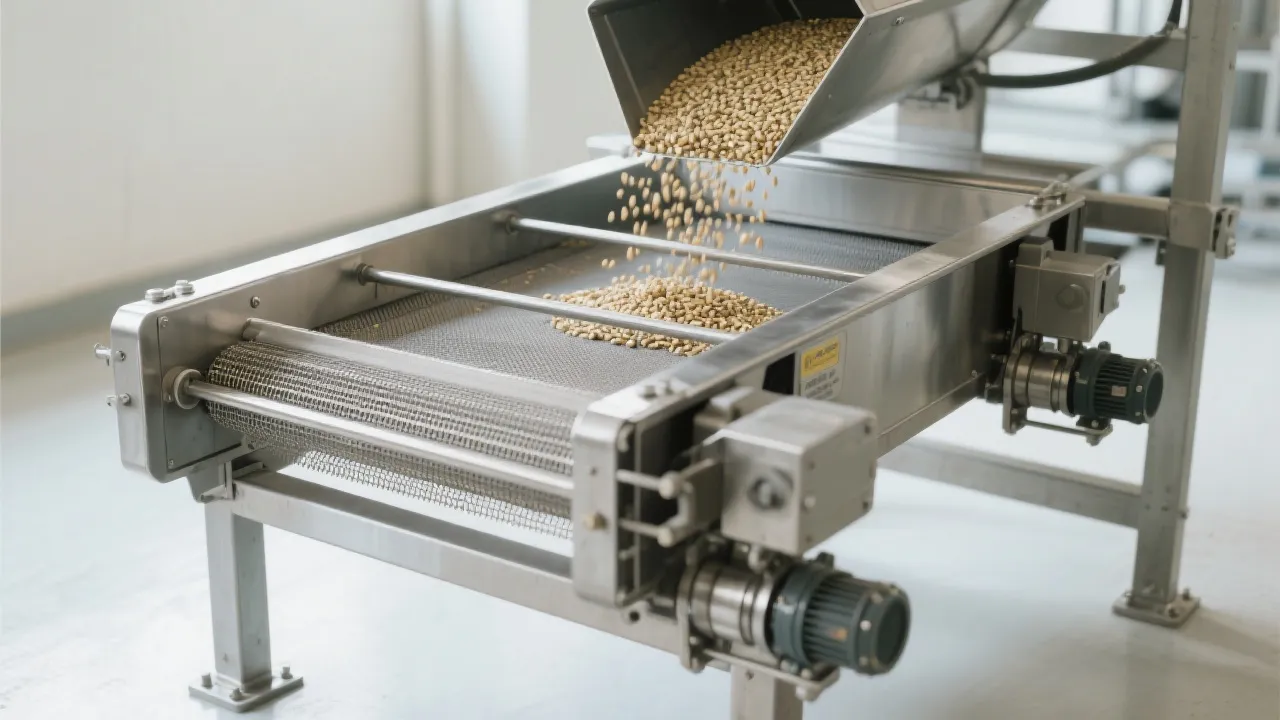
The journey to higher oil yield begins long before the oilseeds reach the press. Improper preprocessing can reduce oil yield by 8-12% alone. Key factors include:
.jpg)
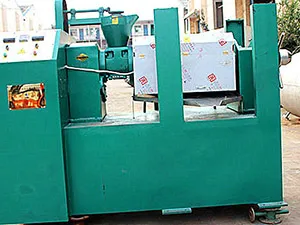
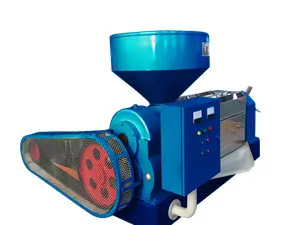
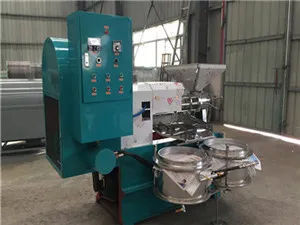
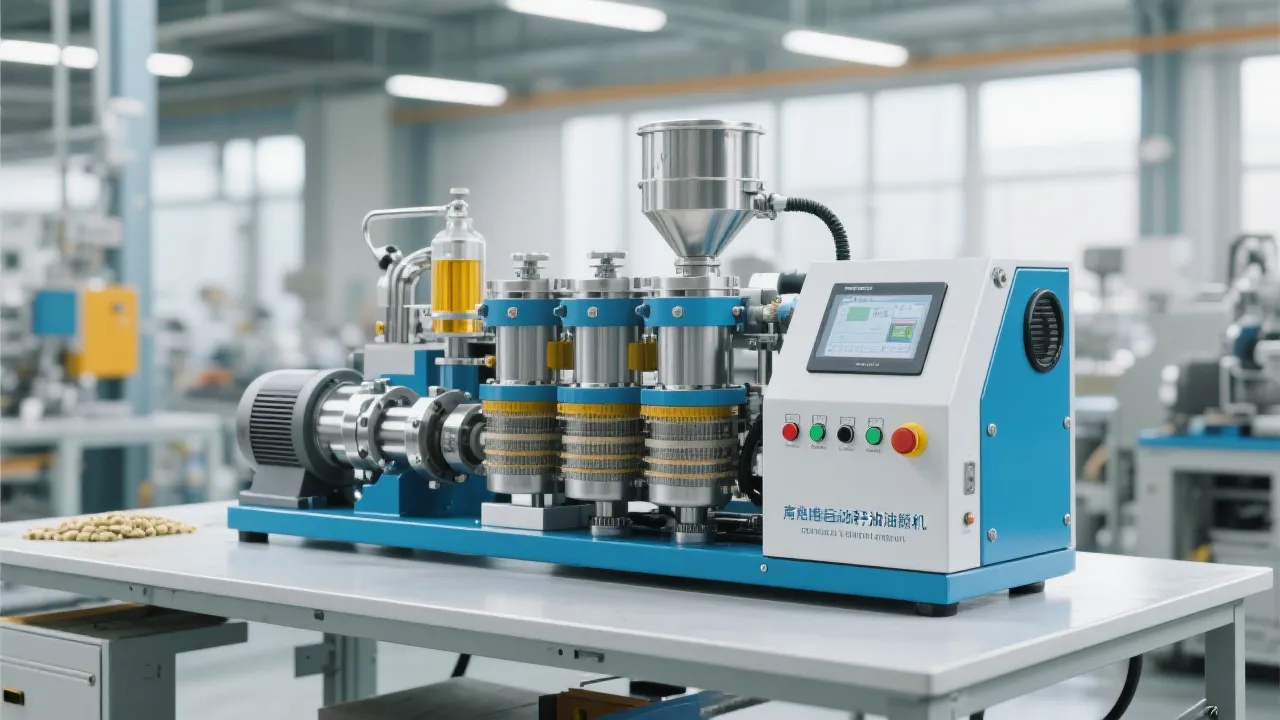
Modern press design incorporates features that significantly improve extraction efficiency. The traditional approach of separate pressing and filtering creates bottlenecks and yield loss. Today's integrated systems offer substantial advantages:
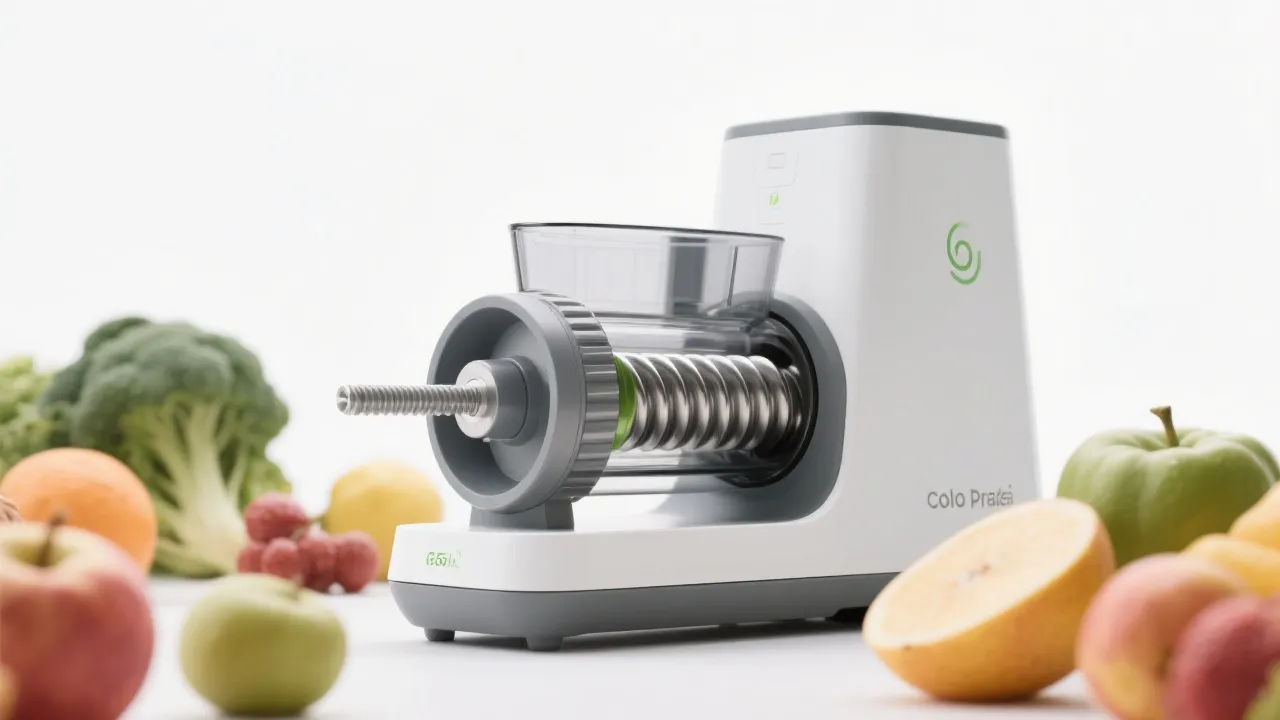
The revolutionary "press-while-filtering" technology eliminates the need for separate filtration steps. By integrating filtration directly in the pressing chamber, this system:
Precise temperature control during extraction significantly impacts both yield and oil quality. Different oilseeds require specific temperature profiles:
| Oilseed Type | Optimal Pressing Temperature | Yield Impact of Temperature Variation |
|---|---|---|
| Soybean | 105-115°C | ±5°C = ±2-3% yield |
| Peanut | 95-105°C | ±5°C = ±1.5-2.5% yield |
| Rapeseed | 110-120°C | ±5°C = ±2.5-3.5% yield |
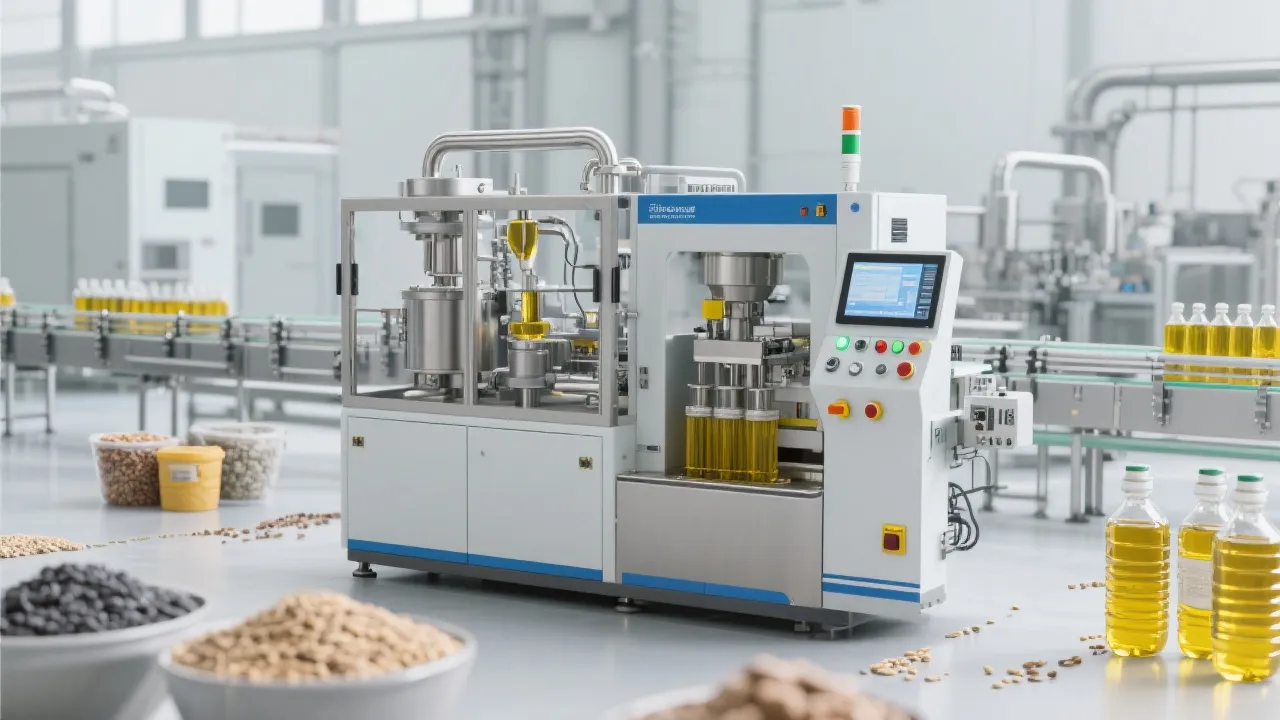
Filter design directly impacts both oil quality and yield. The latest advancements in filter technology have addressed the traditional trade-off between throughput and filtration quality:
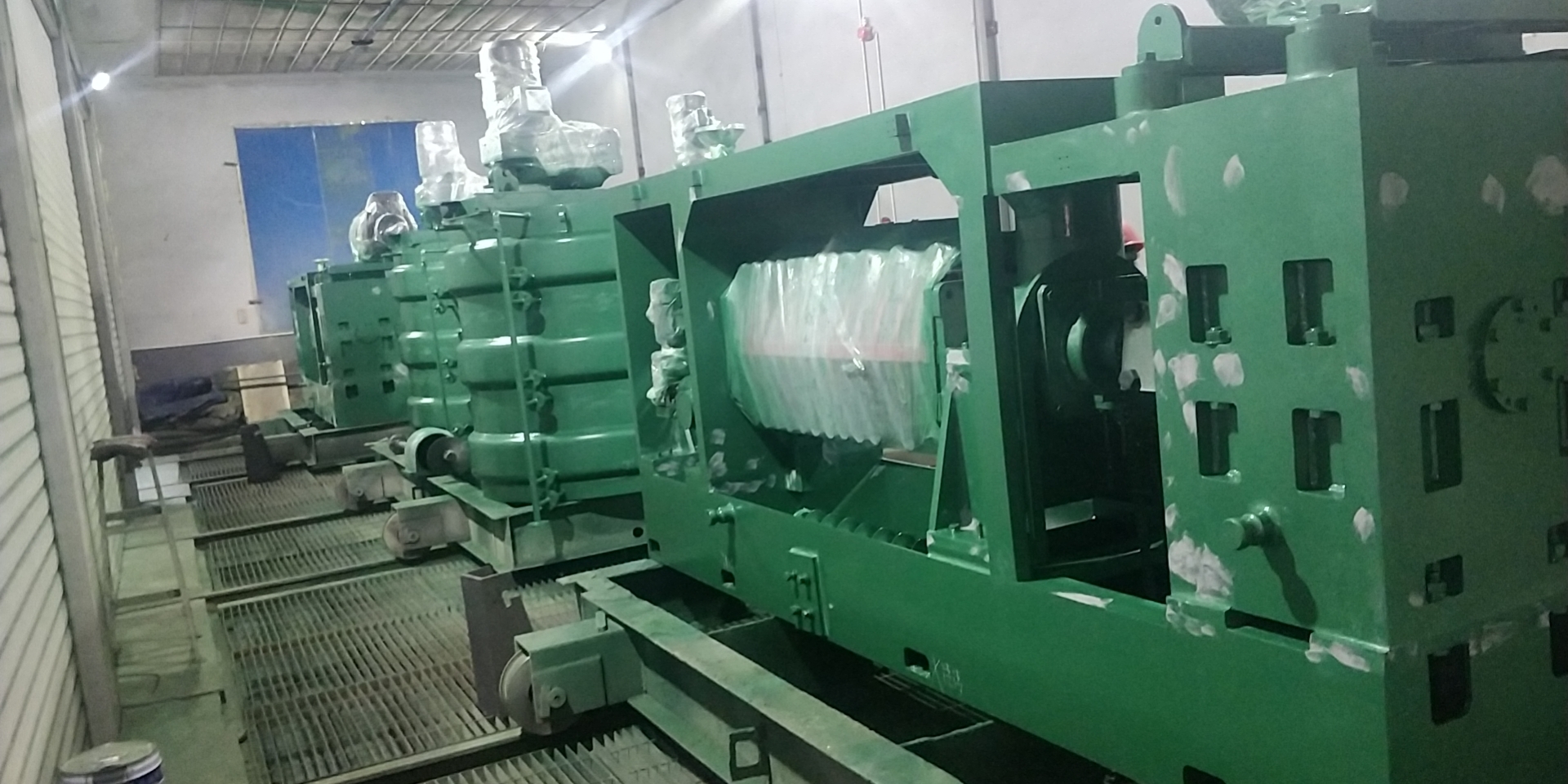
Modern filter configurations featuring gradient pore technology achieve 98.5%+ oil clarity while maintaining optimal flow rates. This represents a 40% improvement in filtration efficiency compared to conventional mesh filters.
Let's examine how these technologies transformed two different oil processing operations:
Before Optimization: 72% extraction efficiency, 4.5% residual oil in meal
Implemented Changes: Precision preprocessing, temperature control, and inline filtration
Results: 86% extraction efficiency, 1.8% residual oil, 19.4% yield increase
ROI: Equipment upgrade paid for itself in 7.2 months
Before Optimization: 78% extraction efficiency, high labor costs for filtration
Implemented Changes: Continuous press-filter system, moisture optimization
Results: 89% extraction efficiency, 65% reduction in filtration labor
ROI: Equipment upgrade paid for itself in 5.8 months
Ready to start improving your extraction efficiency? Begin with this quick assessment:
Download our comprehensive Oil Yield Optimization Assessment Toolkit to identify specific improvement opportunities in your facility.
Get Your Free Assessment ToolkitOur toolkit includes yield calculation spreadsheets, equipment evaluation checklists, and processing parameter recommendations for 8 common oilseeds.
As energy costs rise and market competition intensifies, optimizing your oil extraction process has become more critical than ever. The technologies and techniques outlined here have helped hundreds of oil processors achieve significant yield improvements and cost savings. By focusing on precision preprocessing, advanced press technology, temperature management, and filtration innovation, you can position your facility for greater profitability and long-term success in the competitive edible oil market.