
For industrial soybean oil processors, selecting the right cold press screw expeller isn’t just about upfront cost—it’s a strategic decision that impacts long-term productivity, energy consumption, and product quality. With rising electricity prices and tighter sustainability standards, evaluating real-world performance metrics is more critical than ever.
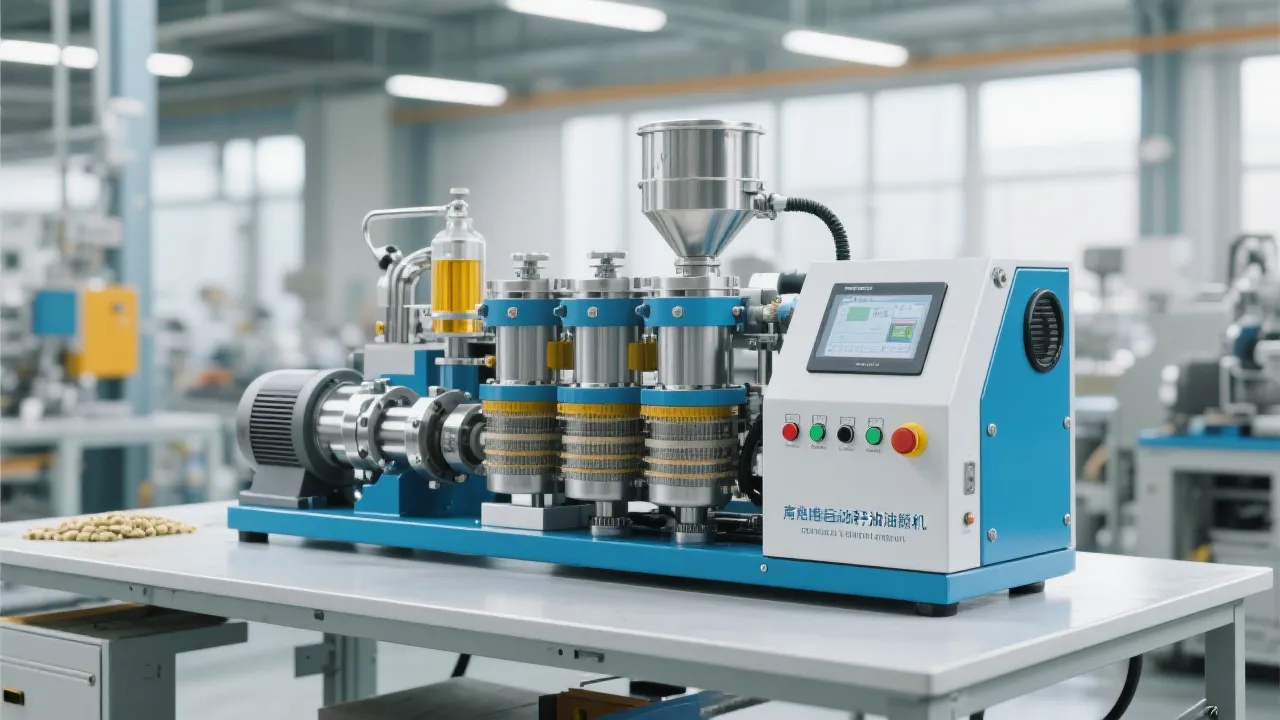
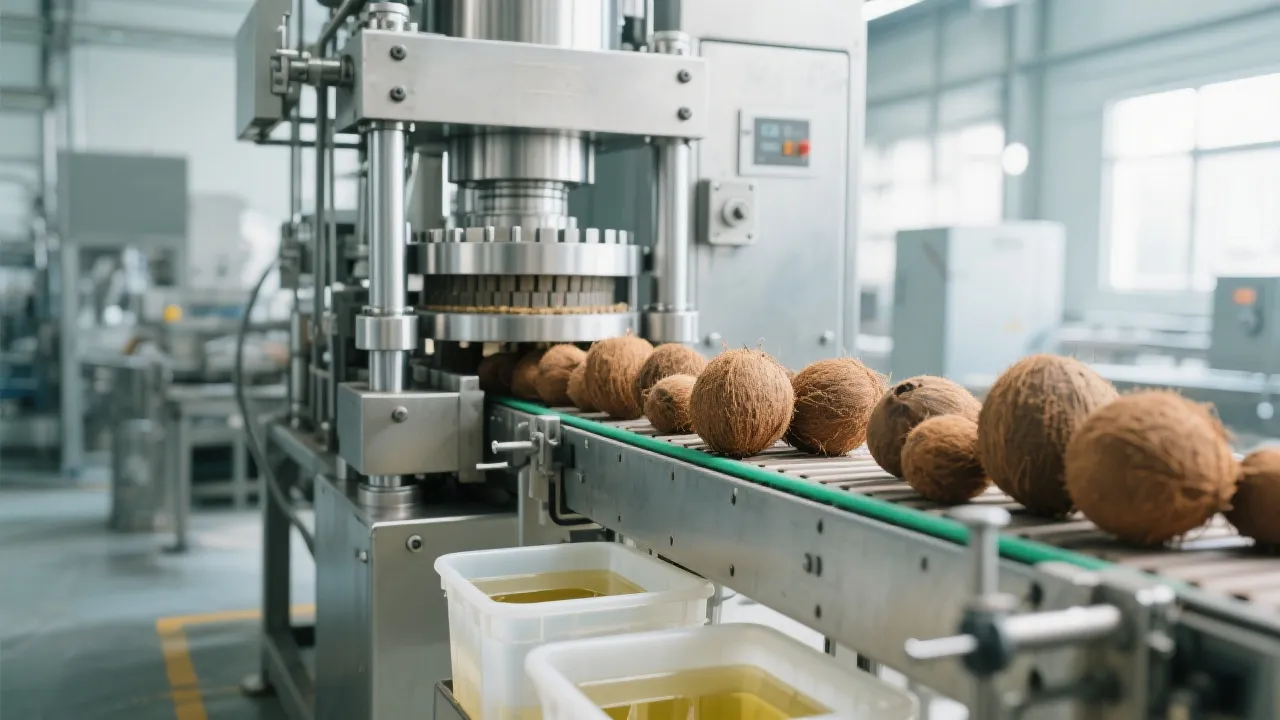
Modern industrial cold press machines now use precision-engineered helical screws with optimized compression zones—typically reducing power draw by 15–25% compared to older models. For example, a 2024 study from a Chinese processing plant showed that replacing a traditional single-stage press with a multi-stage cold press machine increased oil extraction efficiency from 87% to 93%, while cutting kWh per ton of soybeans from 18.5 to 13.2.
This improvement stems from intelligent material flow control—where the screw pitch gradually tightens along the barrel, applying consistent pressure without overheating the raw material. The result? Less friction, fewer mechanical failures, and better preservation of natural nutrients like vitamin E and phytosterols.
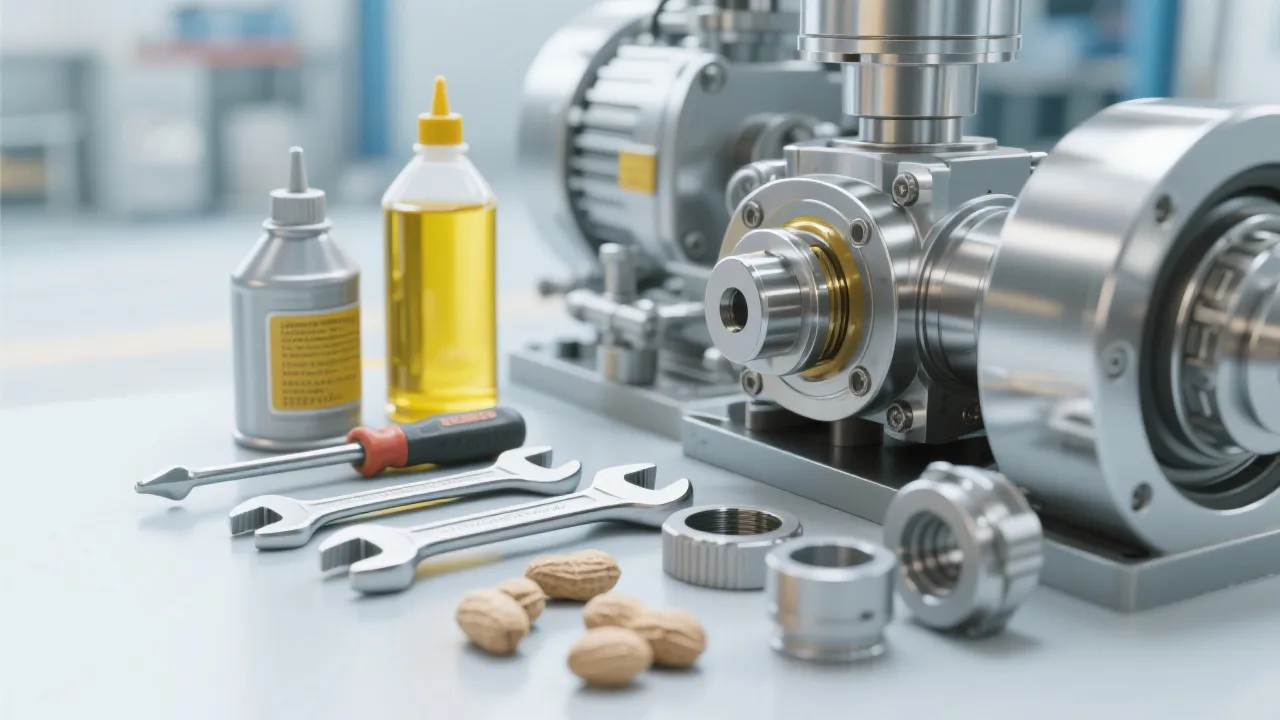
The choice of materials directly affects both energy usage and maintenance frequency. High-grade stainless steel (e.g., AISI 304) used in the pressing chamber reduces wear and tear, minimizing downtime for repairs. In contrast, carbon steel components often require monthly cleaning due to oxidation—a hidden cost that increases labor hours and disrupts production schedules.
Additionally, sealed bearing systems with grease-free lubrication reduce mechanical resistance. One client reported a 12% drop in motor load after switching to a sealed system, translating into annual savings of approximately $2,400 in electricity alone for a medium-scale operation running 6,000 hours/year.
Don’t overlook certification when comparing suppliers. ISO 9001-certified manufacturers follow strict quality control processes—from component sourcing to final assembly—which ensures consistent output and predictable performance over time. A 2023 survey of 150 food processing plants found that those using ISO 9001-compliant equipment experienced 37% fewer unplanned stoppages and had an average service life 2.5x longer than non-certified units.
That means less stress on your team, fewer emergency parts orders, and smoother compliance audits—especially important if you're targeting EU or North American markets where traceability matters.
Even the best machine can underperform if misused. Here are two simple but effective tips:
These small adjustments compound into significant savings—especially when scaled across multiple shifts and years.
Whether you’re upgrading existing lines or building new facilities, investing in a well-designed, stable, and efficient cold press machine pays off quickly—not just in lower utility bills, but in higher-quality oil and fewer production headaches.









.jpg?x-oss-process=image/resize,h_1000,m_lfit/format,webp)

