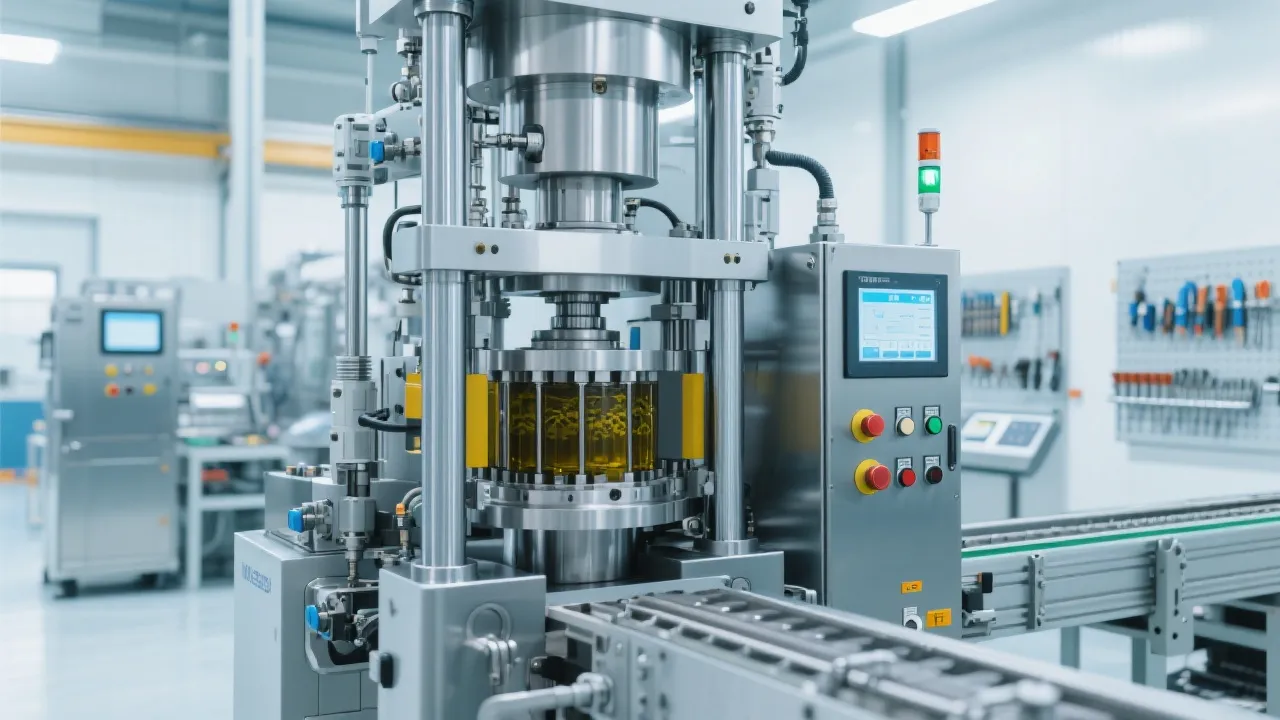
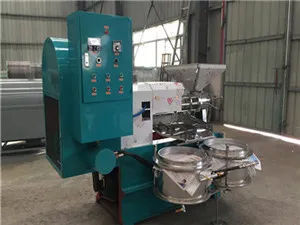
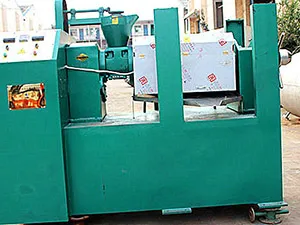
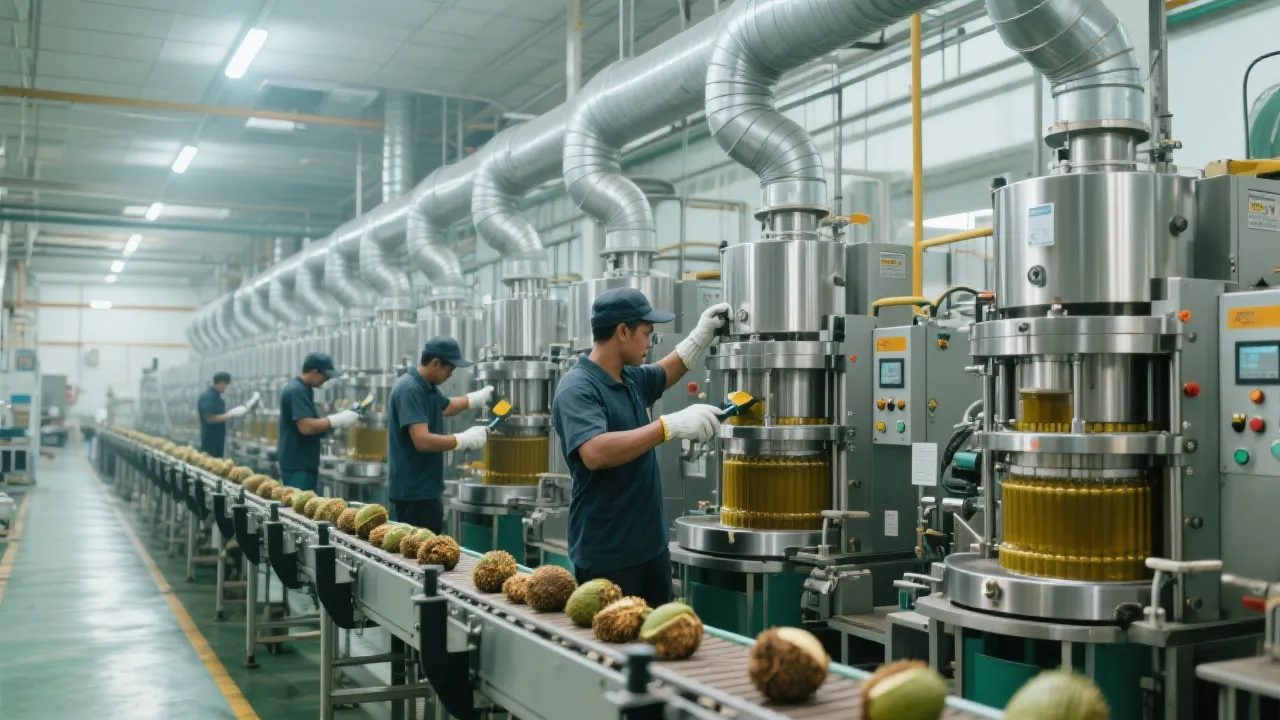
In the realm of soybean oil production, the cold-pressed industrial screw oil press stands as a cornerstone technology. Yet, many industrial users face persistent challenges: excessive energy consumption, unstable oil yield, and costly maintenance. How can you decisively overturn these limitations? The answer lies in targeted technological upgrades that enhance the crushing efficiency and overall output of your equipment. This article offers an in-depth exploration of the core technologies enabling energy savings, operational reliability, and improved oil extraction rates.
“ISO9001-certified cold-press oil machines demonstrate a 25-30% reduction in unit power consumption compared with traditional presses, directly translating into lower operational costs and enhanced equipment longevity.” - Industry Expert Insight
Conventional cold-press screw oil machines often suffer from inefficiencies—primarily rooted in outdated structural designs and inferior materials. High friction, inconsistent compression ratios, and imprecise sealing systems not only ramp up energy use but also compromise oil extraction rates, sometimes dropping below 85% for soybean oil. This unreliability not only dents profitability but also complicates maintenance schedules and operational safety.
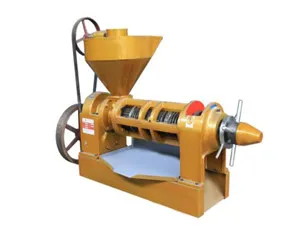
At the heart of an efficient cold-press screw oil machine is the spiral shaft. Refining the spiral shaft's pitch angles and pressure zone design can dramatically increase the compression ratio, which means the oil-bearing materials are squeezed more thoroughly and evenly.
Optimized spiral shafts with variable pitch profiles improve material conveying speed and reduce clogging incidents. An intelligently designed pressing chamber minimizes dead zones, making oil release smoother and boosting extraction efficiency by up to 10-15%. This structural finesse not only enhances oil yield but reduces mechanical strain, curbing premature wear.
Material selection is not just a cost decision — it directly impacts energy efficiency and maintenance. Stainless steel’s superior corrosion resistance ensures that screw shafts and pressing chambers maintain their smooth finish over extensive production cycles, preserving optimal friction levels and reducing energy waste.
In contrast, conventional carbon steel parts are prone to oxidation and surface roughness over time, escalating friction and energy consumption by approximately 20%. Additionally, stainless steel components significantly lower downtime and maintenance expenses, resulting in a more predictable and cost-effective production flow.
An industrial soybean oil processing plant conducted a 6-month comparative study between their existing cold-press machine and an upgraded unit featuring spiral shaft redesign and stainless steel components. The upgraded equipment achieved a 28% reduction in electric energy consumption per ton of soybeans pressed, dropping from 120 kWh/ton to 87 kWh/ton, while the oil yield increased by 12%.
Such improvements reflect directly on bottom-line profitability by lowering utility costs and maximizing output in fixed production times.
Choosing an ISO9001-certified oil press machine is crucial for guaranteed manufacturing standards that affect every detail — from component fitment accuracy to material verification. This certification reduces the incidence of unexpected breakdowns and extends the machine’s lifecycle by ensuring consistent adherence to quality production methods.
To truly harness the technological advantages, proper operation is key: Adjust the feeding rate based on raw material moisture content to maintain optimal pressure zones. Avoid excessive speeds as “faster is better” is a common misconception—too high a rotation can cause incomplete pressing and overheating, reducing oil quality.
Instead, match the screw speed to material characteristics for balanced throughput and extraction efficiency.
Misconception Alert: Increasing the machine’s rotation speed does not guarantee better oil yield and can lead to equipment strain and energy spikes. Optimize speed according to raw material and design specifics for best results.




.jpg?x-oss-process=image/resize,h_1000,m_lfit/format,webp)