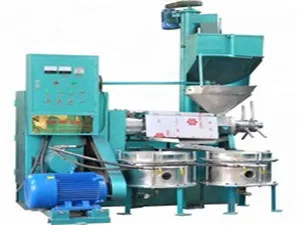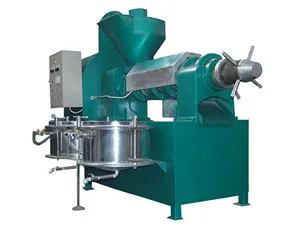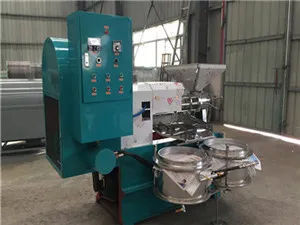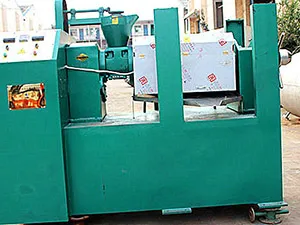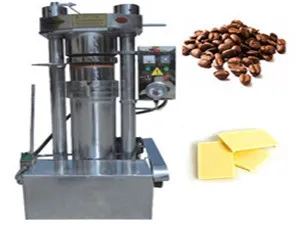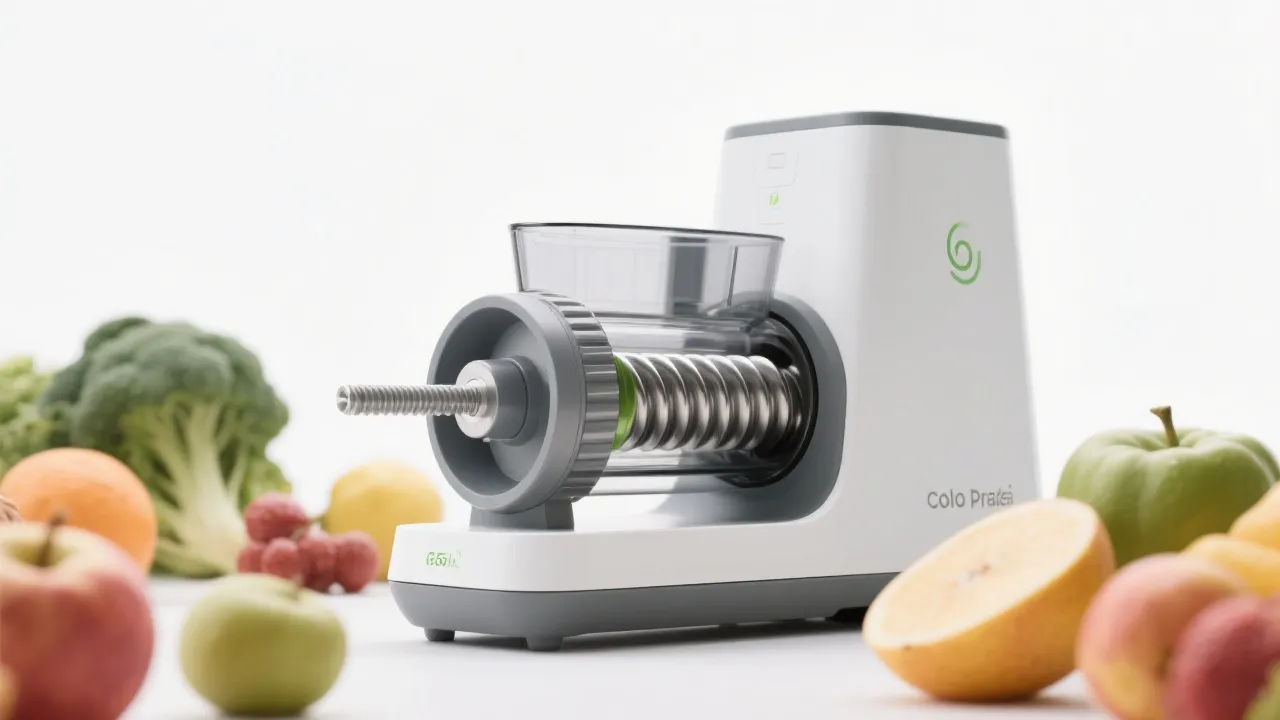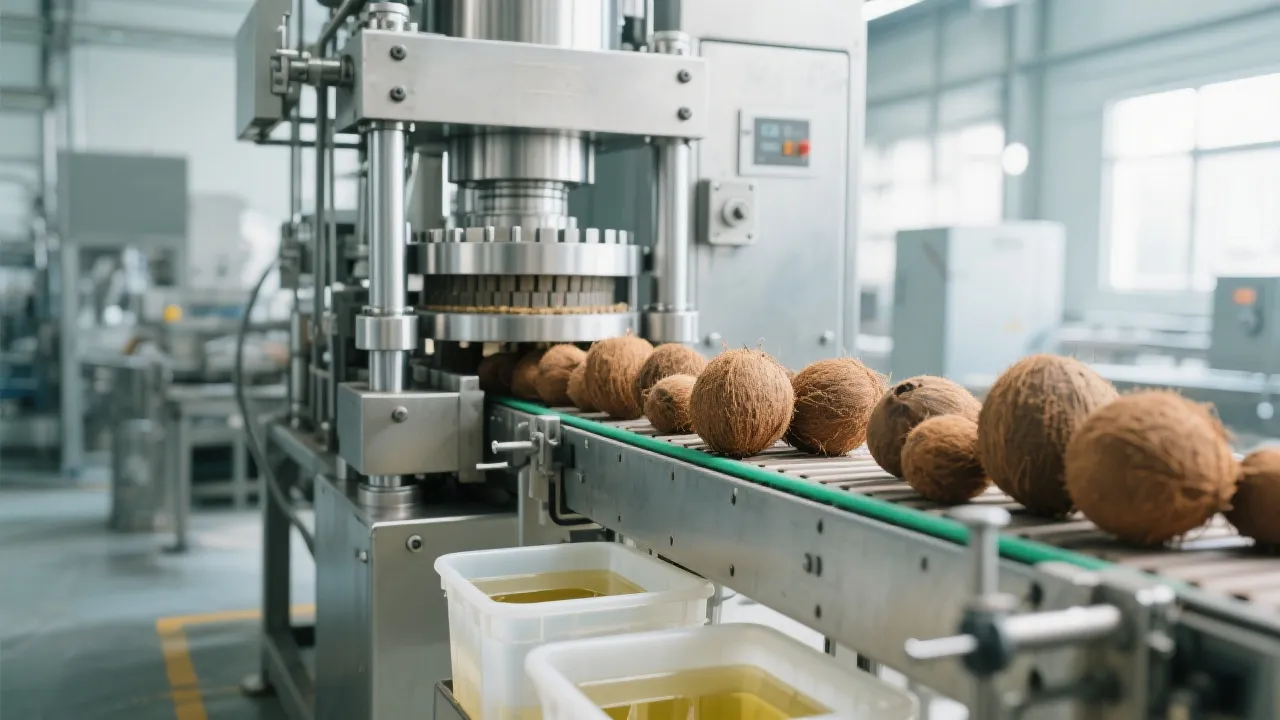
For industrial soybean oil producers aiming to reduce energy costs while maintaining premium quality, choosing the right cold-pressing equipment is no longer optional—it’s a strategic necessity. This article explores how modern spiral榨油机 (screw press oil extractors) can transform your production line through smarter design, better materials, and optimized operation.
Traditional hydraulic presses used in soybean oil extraction typically consume 15–20% more electricity per ton of oil compared to advanced spiral designs. A case study from a mid-sized processor in Brazil showed that switching to an ISO 9001-certified cold-press machine reduced their monthly power bill by $1,200—without sacrificing yield. That’s not just savings—it’s competitive advantage.
Key Insight: The average efficiency gain from upgrading to a high-performance spiral press is between 12% and 18%, depending on feedstock consistency and operator training.
Over 60% of industrial users underestimate the impact of moisture content in raw soybeans on press efficiency. Ideal moisture levels for optimal output are between 8% and 10%. Too dry? Lower yield. Too wet? Risk of clogging and increased downtime.
Modern cold-press screw presses feature helical shafts made from hardened stainless steel (like AISI 304 or 316L), which resist wear even under continuous high-pressure operation. These materials maintain precision over time, ensuring consistent oil recovery rates above 92%—even after 10,000 hours of use.
In contrast, older models with carbon steel components often degrade within 6 months, leading to inconsistent pressure distribution and up to 15% lower oil yields. For a plant processing 50 tons/day, that’s nearly 2.5 tons of lost revenue monthly.
Many operators make two critical errors:
✅ Correct Practice: Adjust feeding rate based on real-time moisture testing. Use automated moisture sensors if possible. Daily cleaning prevents residue buildup—this alone can extend machine life by 2–3 years.
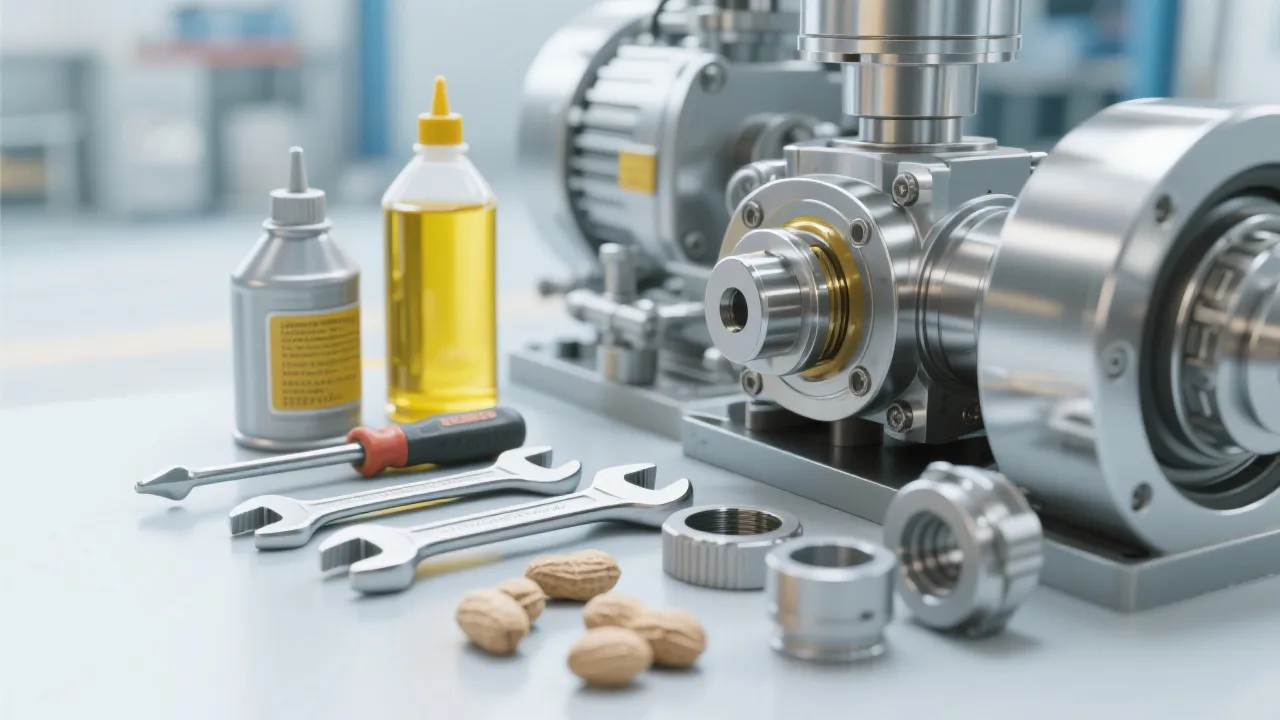
Preventive maintenance isn’t optional—it’s part of your ROI strategy. Simple tasks like lubricating bearings every 500 operating hours and checking motor alignment quarterly can prevent unexpected breakdowns. One manufacturer reported a 40% drop in unplanned downtime after implementing this schedule.
Remember: ISO 9001 certification ensures strict quality control during manufacturing—not just for performance, but for reliability. It also means faster access to spare parts and technical support when needed.
Pro Tip: Keep a digital logbook for each machine—track pressure readings, oil yield, and maintenance dates. Over time, this data becomes invaluable for optimizing operations across multiple lines.
Don’t treat equipment as a one-time purchase. Think of it as an investment in long-term productivity. Work closely with suppliers who offer training, remote diagnostics, and responsive service teams. In fact, companies that partner with vendors offering full lifecycle support see 25% higher utilization rates than those who go solo.
Whether you're scaling up or optimizing existing lines, smart cold-press technology delivers measurable results—not just promises.
Get expert guidance on selecting the best industrial cold-press screw press for your needs—and start seeing real gains in efficiency, yield, and cost savings.
Explore Our Premium Cold-Press Solutions