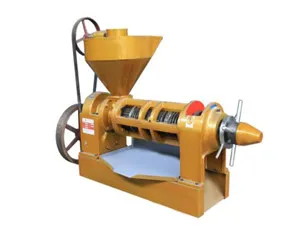

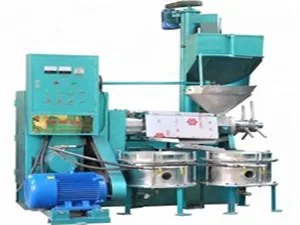
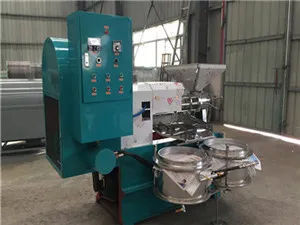
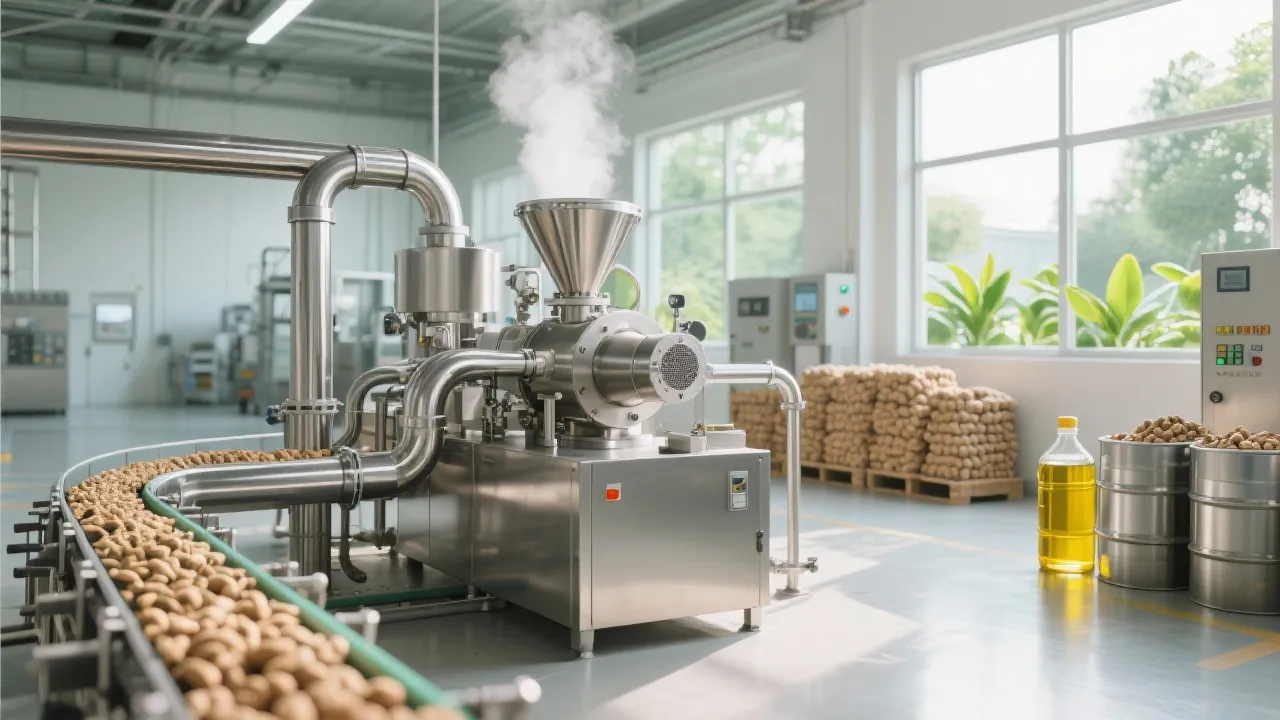
Industrial-scale cold pressing in edible oil production demands equipment that excels in both output yield and energy efficiency. Among such technologies, the soybean oil cold press spiral oil press machine stands out, offering a robust solution to elevate productivity while maintaining product purity and compliance with ISO9001 quality standards. This guide systematically explores how optimizing mechanical design, selecting advanced materials, and fine-tuning operational parameters can significantly improve oil extraction efficiency and minimize energy consumption in large-scale production facilities.
State-of-the-art soybean oil spiral press machines feature an improved screw design with variable pitch geometry that maximizes seed compression uniformity and throughput. For example, experimental data demonstrates that incorporating a multi-segment screw shaft with staggered pitch increments can increase oil yield by up to 8% compared to traditional single-pitch designs. Furthermore, high-strength stainless steel alloys with food-grade certification confer enhanced wear resistance and corrosion protection, leading to sustained machine performance and prolonged service intervals.
Incorporating these advanced materials reduces downtime for maintenance by an average of 15%, translating into higher annual operational output. The machine components’ precision assembly tolerances, often under 0.1 mm, ensure minimal oil leakage and consistent pressing pressure, directly influencing extraction rates.
Beyond mechanical design, operational parameters such as pressing temperature, screw speed, and feed rate critically affect the oil yield and energy consumption. Studies show that maintaining a pressing temperature between 40°C and 50°C optimizes oil fluidity without degrading nutrient profiles. Increasing screw speed up to 40 RPM enhances throughput but must be balanced carefully, as speeds beyond 45 RPM risk incomplete seed crushing, affecting yield negatively.
Moreover, controlling feed moisture content to approximately 8-10% ensures optimal pressing conditions, enhancing oil expulsion efficiency by around 5%. Adjustments in the compression zone length also contribute positively; extending this section by 10% can increase oil separation efficiency by roughly 3%.
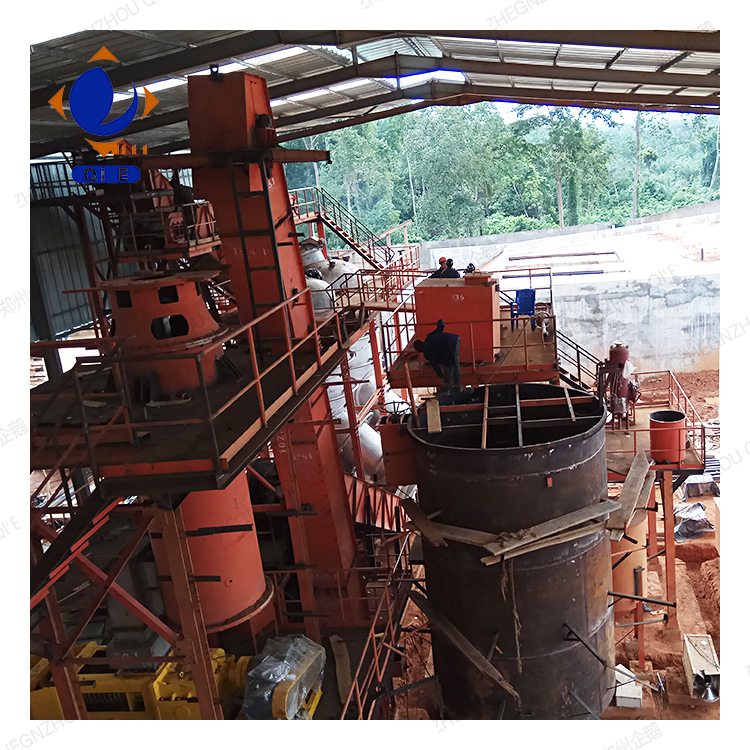
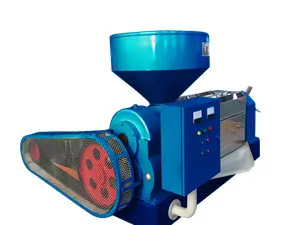
The incorporation of energy-efficient motors and variable-frequency drives tailored for spiral presses enables refined control over pressing speed and load, cutting energy consumption by up to 25% compared to fixed-speed systems. Real-time monitoring sensors provide valuable data on torque, temperature, and vibration, empowering operators to swiftly respond to anomalies and maintain consistent quality.
Compliance with ISO9001 certification guarantees that process controls align with international quality management standards, assuring customers of product safety and consistency—paramount for food-grade oil producers. This certification also highlights the manufacturer’s commitment to continuous improvement and regulatory adherence, a decisive factor in procurement evaluations.
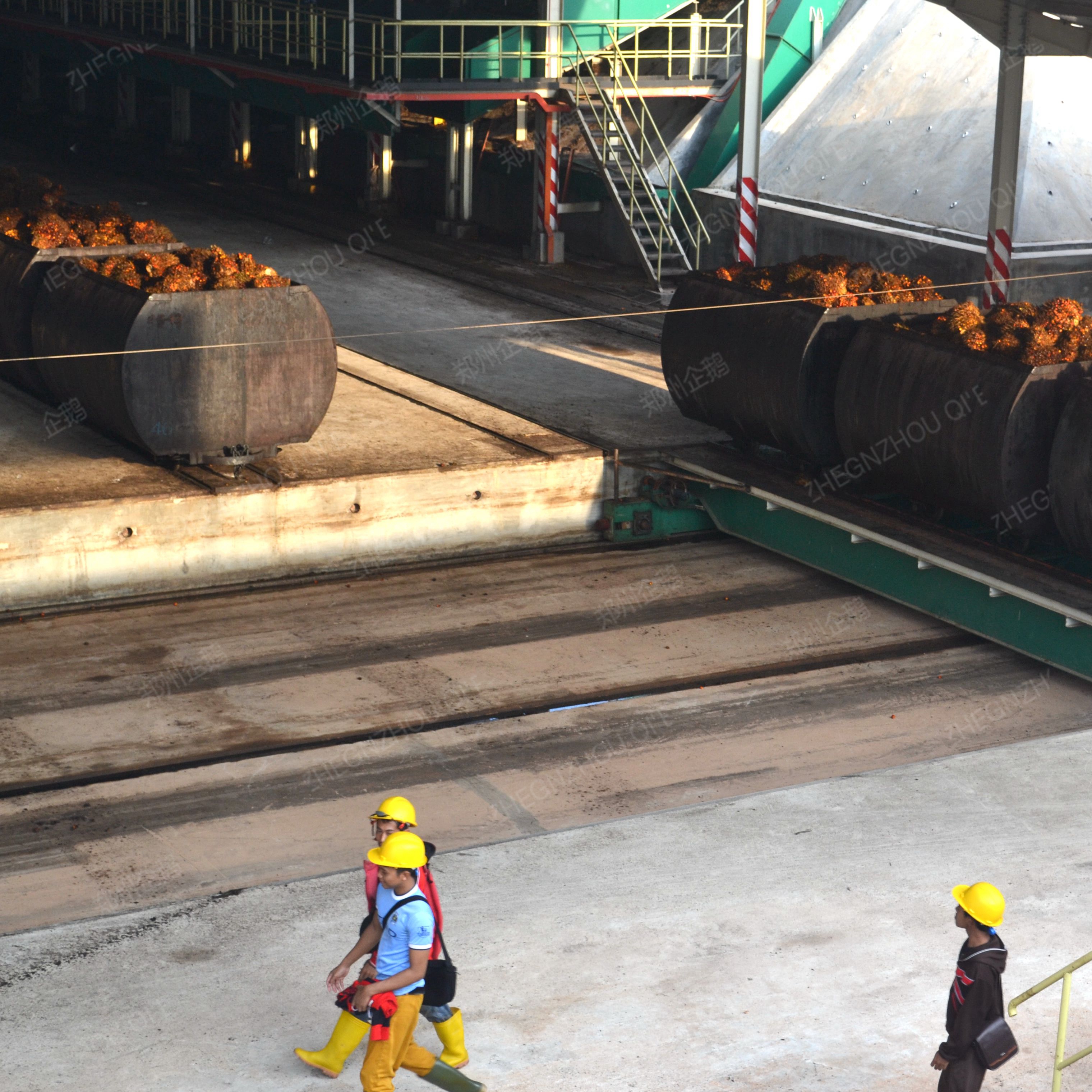
Adherence to these operational best practices has been shown to increase oil yield by 3-4% and reduce unplanned stoppages by nearly 10%, reinforcing the bottom-line impact of procedural discipline.

Choosing a soybean oil cold press spiral machine with a verified track record and ISO9001 certification assures buyers of reliable quality and energy efficiency. Industrial processors should prioritize equipment with comprehensive after-sales support, including technical training, spare parts availability, and digital monitoring modules that facilitate predictive maintenance.
Investment in cutting-edge spiral press technology offers competitive advantage through a combination of higher oil yields, lower operational costs, and compliance assurance—key factors that influence procurement decisions and long-term profitability in the edible oil sector.
.jpg?x-oss-process=image/resize,h_1000,m_lfit/format,webp)





 <#else>