
In today's health-conscious world, more families are seeking control over what goes into their bodies—especially when it comes to something as fundamental as cooking oil. According to recent consumer behavior studies, household demand for home oil presses has increased by 37% over the past two years, driven by concerns about commercial oil quality and additives. Among these, peanut oil stands out for its balanced fatty acid profile and rich vitamin E content, with research showing that properly extracted peanut oil retains up to 92% of its natural nutrients when processed at home.
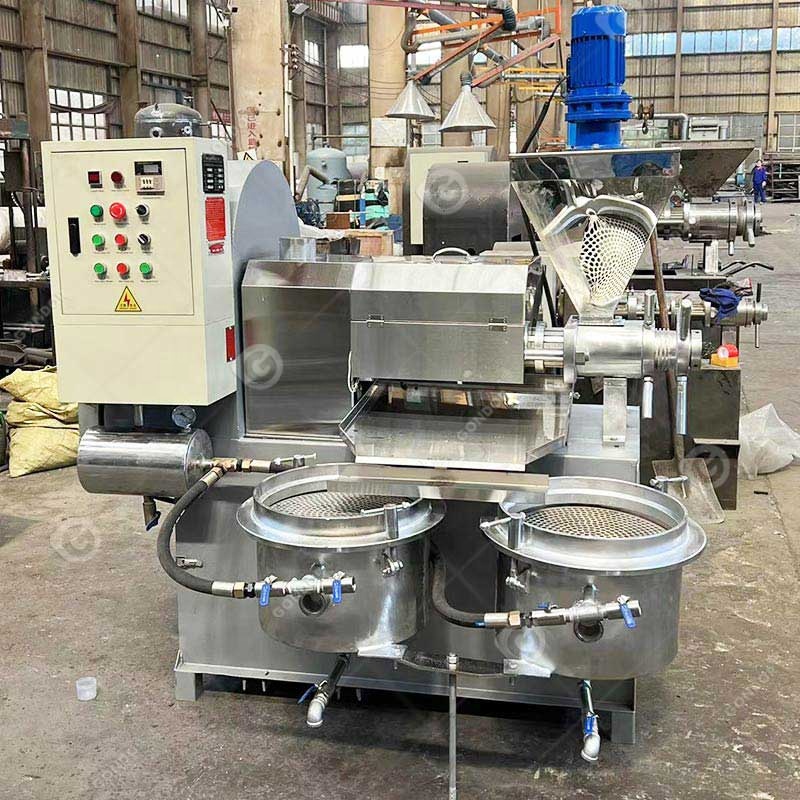
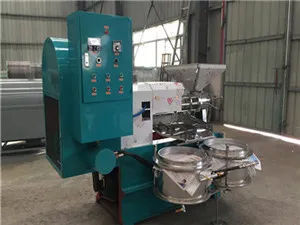
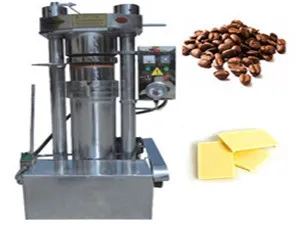
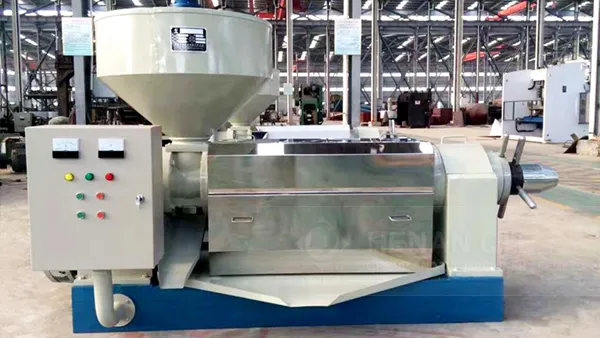
Understanding how your home peanut oil press operates is key to maximizing its performance and ensuring consistent results. Modern home oil presses like those developed by 企鹅集团 (Penguin Group) integrate three essential stages:
The process begins with properly selecting and preparing raw peanuts. Optimal results are achieved with peanuts containing 45-55% oil content, which typically yield 38-42% oil output. The machine's hopper system regulates peanut flow, ensuring uniform feeding into the pressing chamber—critical for consistent oil extraction.
Inside the press, a screw auger applies gradual pressure—ranging from 80-120 kg/cm²—while controlled heating (typically 120-140°C) helps release oil from the peanut cells. This temperature range is carefully calibrated to preserve nutrients while optimizing oil flow. The mechanical pressing process maintains the oil's natural flavor profile better than chemical extraction methods, according to food science research.
After extraction, the oil passes through multi-stage filtration systems that remove fine particles. High-quality presses incorporate centrifugal separation technology, which can reduce sediment content to less than 0.5%, significantly improving oil clarity and shelf life.
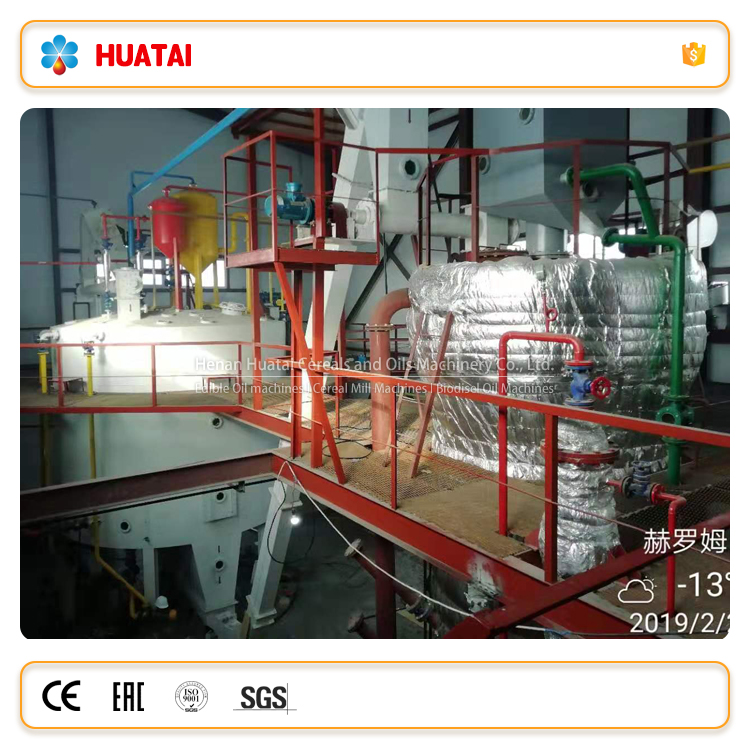
The most significant advancement in modern home oil presses is the integration of intelligent cleaning systems, addressing the traditional challenges of manual cleaning and maintenance. These systems represent a 40% reduction in maintenance time compared to conventional models, according to industry benchmarks.

While intelligent cleaning systems significantly reduce maintenance requirements, proper care remains essential for achieving consistent results and maximizing your investment. Follow these expert-recommended practices:
Clean removable filters after every 3-5 pressing cycles using a soft brush under running water. Replace filters every 50-60 uses or when visible wear appears. This simple step maintains oil clarity and prevents pressure buildup.
Apply food-grade lubricant to moving parts every 20-25 operating hours. Focus on the auger mechanism and gear components, avoiding contact with areas that touch food or oil. Always use lubricants recommended by the manufacturer.
For models with water-based cleaning systems, inspect hoses and connections monthly for leaks or blockages. descale the water reservoir quarterly using a 50/50 vinegar-water solution to prevent mineral buildup that could affect cleaning performance.
After cleaning, store the machine in a dry environment with temperature between 15-30°C. Use the provided dust cover and ensure all components are completely dry to prevent mold growth during periods of non-use.
Many users unknowingly compromise their oil press performance through misconceptions about maintenance. Let's clarify the facts:
Myth: "The self-cleaning function eliminates the need for manual maintenance."
Fact: While intelligent cleaning systems handle most residue, periodic manual inspection and component checks are still necessary to identify potential issues before they escalate.
Myth: "Using more pressure will extract more oil."
Fact: Excessive pressure can actually reduce yield by overheating the oil and creating denser cake that traps oil. Modern presses like those from 企鹅集团 (Penguin Group) are pre-calibrated for optimal pressure settings.
Myth: "All cleaning agents are safe to use on the machine."
Fact: Only use food-grade, non-abrasive cleaners specifically recommended by the manufacturer. Harsh chemicals can damage components and contaminate future oil batches.
Unlock professional techniques for maximizing oil yield and purity with our comprehensive guide.
Download Your Complete Maintenance Manual NowRemember, the key to successful home oil pressing lies in understanding your equipment, following proper maintenance schedules, and using quality raw materials. With the right approach, your home peanut oil press can consistently produce fresh, nutritious oil that enhances your family's cooking while providing peace of mind about what goes into your food.
.jpg?x-oss-process=image/resize,h_1000,m_lfit/format,webp)
.jpg?x-oss-process=image/resize,h_1000,m_lfit/format,webp)