.jpg?x-oss-process=image/resize,h_1000,m_lfit/format,webp)
In today's competitive global market, especially in the agricultural machinery sector, quality has become the cornerstone of business survival and development. For hydraulic oil press manufacturers aiming to enter international markets, ISO 9001 certification is no longer just an option but a necessity that directly impacts export performance, customer trust, and long-term brand value.
"ISO 9001 certified manufacturers demonstrate 37% higher customer retention rates and 28% fewer product returns compared to non-certified competitors in the agricultural machinery sector." — International Trade Federation, 2023 Industry Report
The ISO 9001质量管理体系 represents an internationally recognized set of standards for quality management systems, focusing on customer satisfaction, process improvement, and risk management. For hydraulic oil press manufacturers, this certification translates to tangible operational improvements across the entire production cycle.
.jpg)
QIE Group experience exemplifies the transformative power of ISO 9001 certification. After achieving ISO 9001:2000 compliance, the company implemented systematic improvements that yielded measurable results:
Before ISO 9001 certification, QIE Group hydraulic oil presses met basic industry standards but lacked the consistency and reliability required for major international markets. The certification process forced a critical evaluation of every production stage:
In the design phase, engineers implemented FMEA (Failure Mode and Effects Analysis) protocols, identifying potential failure points in the hydraulic system that could affect oil extraction efficiency. On the production floor, SPC (Statistical Process Control) was introduced, with real-time monitoring of critical parameters such as pressure tolerance and material thickness.
For export-oriented hydraulic oil press manufacturers, ISO 9001 certification delivers multiple market advantages that directly impact bottom-line results:
.jpg)
Many international tenders and government procurement programs explicitly require ISO 9001 certification as a basic qualification. In the European Union, for example, 68% of agricultural machinery tenders include ISO 9001 as a mandatory requirement, according to the European Agricultural Machinery Association's 2022 report.
Certified hydraulic oil presses typically command a 15-20% price premium in international markets compared to non-certified alternatives. This premium reflects not just compliance but the perceived reliability and reduced risk that certification represents to buyers.
The true value of ISO 9001 extends far beyond the initial certification. The standard's emphasis on continuous improvement creates a culture of excellence that drives ongoing innovation and efficiency gains.
| Performance Metric | Pre-Certification | 12 Months Post-Certification | Improvement |
|---|---|---|---|
| Production Efficiency | 68% | 89% | +31% |
| Customer Complaints | 12 per month | 3 per month | -75% |
| Export Sales Growth | 8% YoY | 27% YoY | +19% |
Consider the experience of a major edible oil producer in Nigeria that switched to ISO 9001 certified hydraulic presses. Within six months, they reported a 12% increase in oil yield, 23% reduction in maintenance costs, and significant improvement in product consistency—factors that directly contributed to their ability to enter premium export markets.
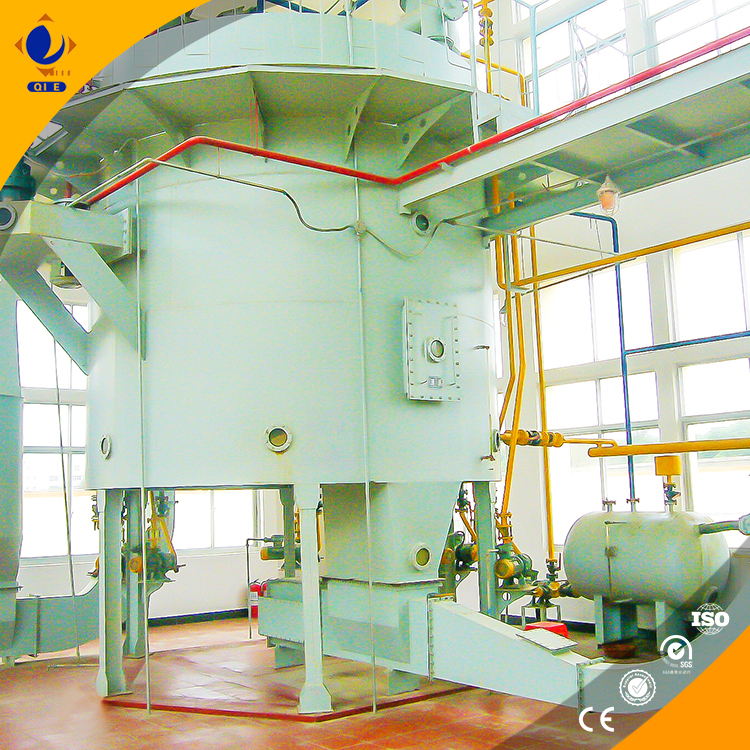
For hydraulic oil press manufacturers evaluating ISO 9001 certification, it's essential to view it as a strategic investment rather than a compliance cost. The typical certification process takes 3-6 months and requires documentation of processes, staff training, and external audits—but the returns are substantial and long-lasting.
Download our comprehensive guide "ISO 9001 Certification: The Exporter's Roadmap to Quality Excellence" and discover how certification can elevate your product performance, market access, and customer trust.
Download Free Guide NowAs international markets become increasingly competitive, ISO 9001 certification distinguishes manufacturers who are serious about quality from those who merely claim it. It's not just about meeting standards—it's about setting them, and in doing so, creating sustainable competitive advantage in the global hydraulic oil press market.
.jpg?x-oss-process=image/resize,h_1000,m_lfit/format,webp)