In today's competitive edible oil processing industry, selecting equipment that delivers consistent performance, operational safety, and long-term reliability is critical for business success. For international buyers evaluating hydraulic oil press machinery, ISO 9001 certification has emerged as a globally recognized benchmark for quality management systems. This comprehensive guide examines how ISO 9001 certification translates into tangible benefits for hydraulic oil press operations, supported by industry data and real-world applications.
ISO 9001 represents an internationally accepted standard for quality management systems developed by the International Organization for Standardization. The certification process involves rigorous third-party audits that evaluate an organization's ability to consistently provide products that meet customer and regulatory requirements while demonstrating continuous improvement.
Industry Insight:
According to a 2023 study by the International Organization for Standardization, manufacturing companies with ISO 9001 certification report an average 12% reduction in production defects and a 15% improvement in customer satisfaction compared to non-certified competitors.
For hydraulic oil press manufacturers, ISO 9001 certification establishes systematic controls throughout the product lifecycle—from initial design and raw material selection to manufacturing processes, quality testing, and after-sales service. This structured approach ensures that every unit leaving the production facility adheres to consistent quality standards.
ISO 9001 certification mandates strict process controls that directly impact equipment stability. Certified manufacturers implement standardized assembly procedures, precision component testing, and rigorous quality checks at critical production stages. This systematic approach results in hydraulic oil presses that maintain consistent performance even under continuous operation.
Field data from edible oil processing plants across Southeast Asia demonstrates that ISO 9001 certified hydraulic presses experience approximately 35% fewer unplanned downtime incidents compared to non-certified alternatives. This reliability translates directly to improved production continuity and reduced maintenance costs.
The ISO 9001 framework drives continuous improvement in press design and operational parameters. Certified manufacturers systematically collect and analyze performance data, leading to incremental enhancements in pressing chamber design, hydraulic system efficiency, and material handling.
| Performance Metric | ISO 9001 Certified | Non-Certified | Improvement |
|---|---|---|---|
| Average Oil Yield | 38-42% | 34-37% | +10-13% |
| Energy Consumption | 0.8-1.0 kWh/ton | 1.2-1.5 kWh/ton | -25-33% |
| Maintenance Interval | 800-1000 hours | 400-600 hours | +67-100% |
These efficiency improvements directly impact profitability. A mid-sized edible oil processing facility utilizing ISO 9001 certified equipment typically realizes an additional 3-5% in oil yield, translating to thousands of dollars in additional annual revenue based on current market prices.
ISO 9001 certification places significant emphasis on safety management throughout the product lifecycle. Certified hydraulic oil presses incorporate multiple safety features including emergency stop systems, pressure relief valves, thermal protection, and interlock mechanisms that prevent operation during maintenance.
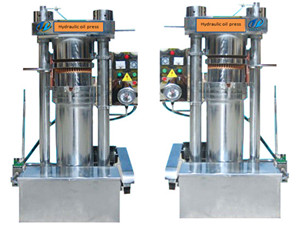
Beyond basic safety features, ISO 9001 certification ensures compliance with international safety standards such as CE marking requirements for the European market and OSHA standards for North America. This compliance simplifies market entry and reduces regulatory hurdles for international buyers.
ISO 9001 mandates comprehensive documentation and traceability systems that provide complete visibility into the manufacturing process. Each component of a certified hydraulic oil press can be traced to its source, with records of inspection results, testing data, and assembly verification.
This level of traceability proves invaluable when troubleshooting or conducting maintenance, allowing for precise identification of components and rapid resolution of issues. For international buyers, this documentation provides assurance of quality and simplifies customs clearance processes in many countries.
PT. Sumber Minyak, a leading edible oil processor in Indonesia, upgraded their production line with ISO 9001 certified hydraulic oil presses in 2022. The results after six months of operation were striking:
Production Manager Agus Setiawan noted: "The consistency of the ISO certified presses has transformed our operation. We now have predictable output, better quality oil, and our maintenance team can focus on preventive rather than reactive work."
One of the most valuable aspects of ISO 9001 certification is its focus on continuous improvement. Certified manufacturers implement regular review processes, customer feedback mechanisms, and performance monitoring to identify areas for enhancement.
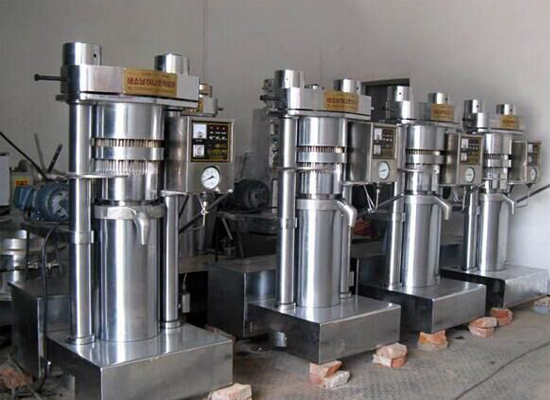
This commitment to ongoing improvement means that buyers of ISO 9001 certified hydraulic oil presses benefit not just from current technology, but from a manufacturer dedicated to evolving their products based on real-world performance data and customer insights.
Discover how ISO 9001 certified hydraulic oil presses can提升 your production efficiency, improve oil yield, and reduce operational risks.
Consult Our Oil Press SpecialistsGet personalized recommendations based on your specific oilseeds, production volume, and quality requirements
When evaluating hydraulic oil press suppliers, ISO 9001 certification provides objective validation of a manufacturer's commitment to quality, safety, and customer satisfaction. For international buyers navigating complex supply chains and quality requirements, this certification serves as a reliable indicator of product reliability and manufacturer accountability.
As the edible oil processing industry continues to evolve, the operational advantages of ISO 9001 certified equipment become increasingly significant. From improved yield and efficiency to enhanced safety and compliance, the certification represents a strategic investment in long-term operational excellence.



.jpg?x-oss-process=image/resize,h_1000,m_lfit/format,webp)