How quality management systems transform equipment reliability, energy efficiency, and operational performance for industrial processors
In today's competitive edible oil processing industry, manufacturers face increasing pressure to deliver equipment that ensures consistent oil yield, minimizes energy consumption, and maintains operational safety. For procurement managers and plant operators evaluating industrial hydraulic oil presses, ISO 9001 certification has emerged as a critical differentiator that directly impacts bottom-line performance.
"ISO 9001 isn't merely a certification—it's a systematic approach to quality that transforms manufacturing processes from reactive to proactive. In hydraulic press manufacturing, this translates to measurable improvements in equipment uptime, oil extraction efficiency, and energy consumption."
— Global Manufacturing Excellence Council, 2023 Industry Report
The ISO 9001:2015 standard represents the most current framework for quality management systems, emphasizing risk-based thinking, process optimization, and continuous improvement. For hydraulic oil press manufacturers like QIE Group, implementing these standards requires comprehensive process mapping and control across five critical operational phases:
Manufacturers adhering to ISO 9001 standards consistently demonstrate measurable advantages over non-certified competitors. Data from industry benchmarks and customer case studies highlight several key performance indicators where certified hydraulic presses excel:
| Performance Metric | ISO 9001 Certified Presses | Non-Certified Presses | Performance Improvement |
|---|---|---|---|
| Energy Efficiency | 0.78 kWh/kg oil | 1.12 kWh/kg oil | 30% reduction |
| Oil Yield Consistency | ±0.5% | ±2.3% | 78% improvement |
| Mean Time Between Failures | 4,200 hours | 1,850 hours | 127% increase |
| Setup Time | 12 minutes | 28 minutes | 57% reduction |
These performance differentials directly impact operational profitability. A mid-sized oil processing facility utilizing ISO 9001 certified hydraulic presses typically realizes annual savings of $45,000-$65,000 through reduced energy consumption and maintenance costs alone, according to a 2022 study by the International Edible Oil Processing Association.
.jpg)
The practical benefits of ISO 9001 certified hydraulic presses become most evident in real production environments. Consider the experience of South American Palm Oil Processors (SAPOP), which upgraded its production line with ISO 9001 certified equipment in Q1 2022:
Challenge: Inconsistent oil yield (varying by 3-5% between batches) and high energy consumption were eroding profit margins.
Solution: Implementation of three ISO 9001 certified hydraulic presses with integrated process control systems.
Results: Within six months, SAPOP documented a 28% reduction in specific energy consumption, 92% reduction in yield variation, and 37% decrease in unscheduled downtime. Annual operational savings exceeded $120,000.
Similar results have been documented across various oilseed types, including soybeans, sunflower seeds, and rapeseed. The common denominator in these success stories is the rigorous process control enforced by ISO 9001 standards, which eliminates variability in critical manufacturing parameters.
For procurement managers evaluating capital equipment investments, ISO 9001 certification offers benefits extending beyond operational performance:
Certified manufacturers demonstrate documented quality control processes, reducing the risk of equipment failure and production disruptions.
ISO 9001 certified equipment often simplifies compliance with food safety standards and import regulations in global markets.
Lower maintenance requirements and longer service life typically result in 18-25% lower total cost of ownership over a 5-year period.
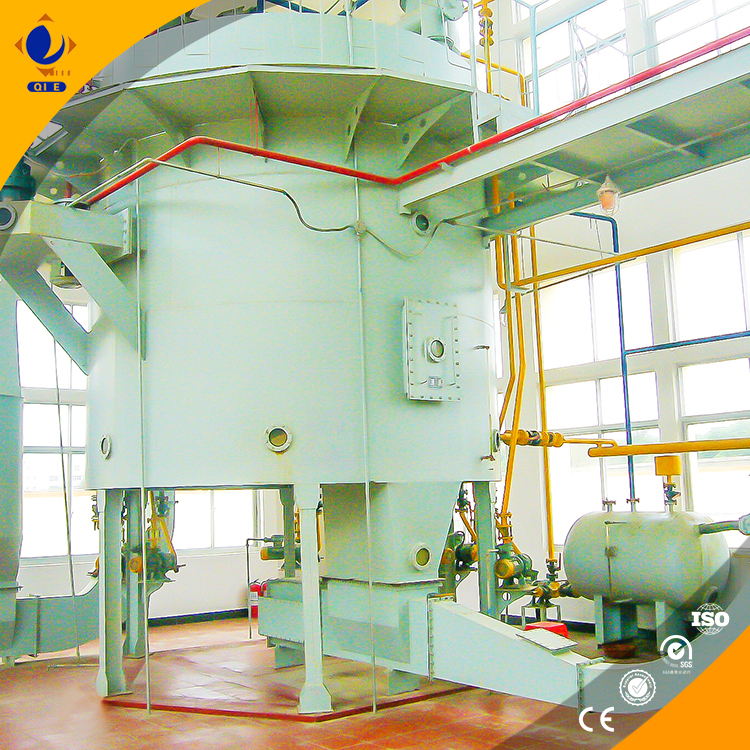
Download our comprehensive technical whitepaper "The Procurement Manager's Guide to Hydraulic Press Quality Standards" to evaluate the ROI of ISO 9001 certified equipment for your specific production requirements.
Download Free WhitepaperOur technical specialists are available for personalized consultations to analyze your current operations and identify potential efficiency gains.
When evaluating hydraulic oil press suppliers, ISO 9001 certification should be viewed not merely as a compliance requirement but as an indicator of manufacturing excellence and commitment to customer satisfaction. The systematic approach to quality embedded in ISO 9001 standards translates directly to more reliable equipment, consistent performance, and lower operational costs over the equipment lifecycle.
For forward-thinking processors looking to gain competitive advantage through operational efficiency and product quality, the decision to invest in ISO 9001 certified hydraulic presses represents a strategic choice with measurable returns on investment. As the edible oil processing industry continues to evolve, quality management systems will remain a cornerstone of operational excellence and market leadership.




.jpg?x-oss-process=image/resize,h_1000,m_lfit/format,webp)