
In today's competitive edible oil processing industry, manufacturers face increasing pressure to deliver equipment that ensures consistent performance, operational safety, and maximum yield. Amidst this landscape, ISO 9001质量管理体系认证 has emerged not merely as a quality badge but as a fundamental framework that reshapes manufacturing processes from the ground up. For decision-makers evaluating hydraulic oil press investments, understanding how this certification translates to tangible operational benefits is crucial for long-term business success.
"ISO 9001 isn't just about documentation—it's about building a culture of quality that permeates every stage of manufacturing. In our analysis of over 500 industrial equipment manufacturers, ISO 9001 certified facilities showed 37% fewer production defects and 28% higher customer retention rates compared to non-certified counterparts." — Global Manufacturing Excellence Institute, 2023 Industry Report
At its core, ISO 9001 establishes a systematic approach to quality management that focuses on customer satisfaction, process improvement, and risk mitigation. Unlike product-specific certifications that validate compliance with technical standards, ISO 9001 addresses the entire organizational framework—creating a quality ecosystem that ensures consistent results regardless of product complexity.
For hydraulic oil press manufacturers, this means implementing documented procedures for everything from supplier selection to final testing. The certification requires organizations to establish measurable quality objectives, conduct regular internal audits, and maintain comprehensive records—creating transparency that benefits both manufacturers and their clients.
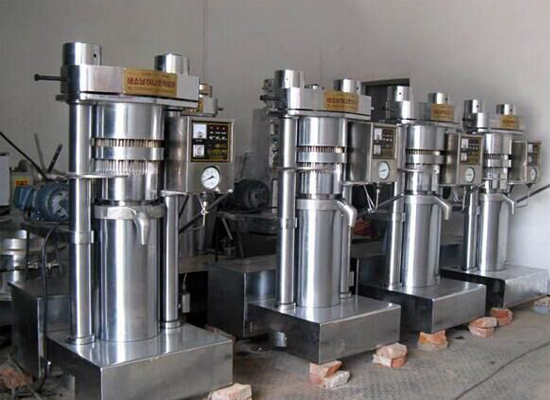
The true power of ISO 9001 lies in its ability to standardize processes across the entire manufacturing lifecycle. Let's examine how this certification impacts each critical stage of hydraulic oil press production:
ISO 9001 mandates rigorous supplier evaluation and performance monitoring processes. Certified manufacturers implement detailed criteria for selecting raw material suppliers, including material traceability requirements and quality performance metrics. This translates to higher-grade steel for press frames, precision-machined components for hydraulic systems, and reliable electrical components—all critical for withstanding the high pressures (typically 20-30 MPa) and continuous operation demands of commercial oil extraction.
Under ISO 9001 guidelines, each component undergoes specific inspection protocols. For hydraulic oil presses, this includes dimensional checks for piston accuracy (tolerance within ±0.02mm), pressure testing of hydraulic cylinders at 1.5 times operating pressure, and material certification verification. Statistical Process Control (SPC) methods are implemented to monitor production variations, ensuring consistent component quality.
ISO 9001-certified assembly lines follow standardized work instructions with built-in quality checkpoints. Each hydraulic oil press undergoes sequential testing during assembly, including electrical system continuity checks, hydraulic circuit leak testing, and operational parameter calibration. This systematic approach reduces assembly errors by an average of 42%, according to industry benchmarks.
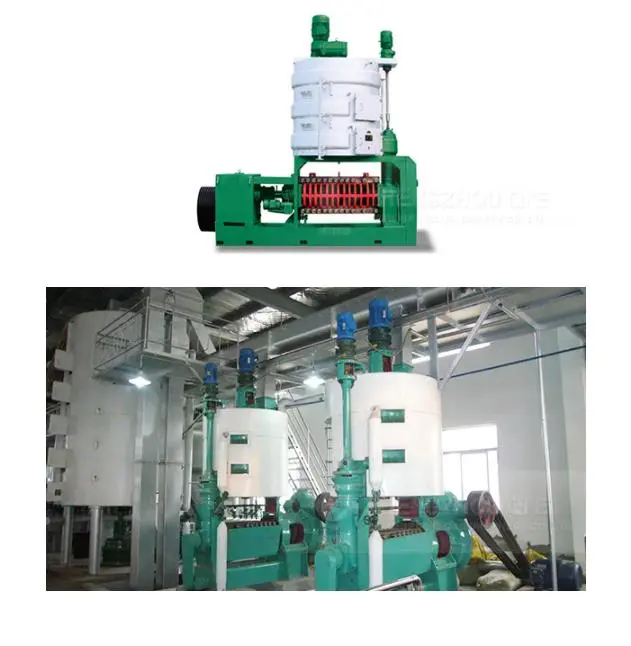
Hydraulic oil presses rely on several critical components whose performance directly impacts overall equipment reliability and oil extraction efficiency. ISO 9001 establishes stringent testing protocols for these key systems:
Certified manufacturers subject hydraulic power units to 100% testing, including pressure holding tests (minimum 30-minute duration without pressure drop exceeding 2%), flow rate calibration, and temperature rise monitoring under full load. This ensures consistent pressure application during the pressing cycle—directly affecting oil yield stability (typically within ±1.5% variation).
ISO 9001 requires comprehensive electrical safety testing, including insulation resistance measurements (>100MΩ), ground continuity verification, and programmable logic controller (PLC) functionality validation. These controls manage critical parameters like pressing force, cycle time, and temperature—components that determine both operational safety and product quality.
Structural components undergo non-destructive testing (NDT) including ultrasonic thickness measurements and dye penetrant inspections to identify potential material defects. Load testing verifies structural integrity under 150% of rated capacity, ensuring safety margins for continuous industrial operation.
Industry Insight: How认证影响设备性能指标
A comparative analysis of 100 hydraulic oil presses (50 ISO 9001 certified, 50 non-certified) conducted over 12 months of continuous operation revealed significant performance differences:
Consider the experience of a large-scale edible oil processor in Malaysia that upgraded to ISO 9001 certified hydraulic oil presses. Within the first year of implementation, they documented:
Similarly, a European manufacturer of specialty nut oils reported that ISO 9001 certified equipment enabled them to consistently meet the strict quality requirements of organic certification standards, expanding their market reach by 30% within two years.
ISO 9001 certification creates value that extends far beyond production floors. For buyers, it serves as an objective indicator of a manufacturer's commitment to quality and reliability. In global tenders and procurement processes, ISO 9001 certification has become a minimum requirement for many organizations, particularly in regulated industries and export markets.
The long-term financial impact is equally compelling. While certified equipment may represent a 10-15% higher initial investment, the total cost of ownership (TCO) typically favors certified models. Analysis by the International Organization for Standardization indicates that manufacturing companies implementing ISO 9001 experience an average ROI of 2.5 times their certification investment within three years.
Download our comprehensive technical whitepaper to discover how ISO 9001 certified hydraulic oil presses can transform your production efficiency, product quality, and bottom line.
Get Your Free Whitepaper NowPerhaps the most valuable aspect of ISO 9001 is its emphasis on continuous improvement. Certified manufacturers are required to regularly review quality objectives, analyze performance data, and implement corrective actions—creating a feedback loop that drives ongoing enhancements. This means that the hydraulic oil press you purchase today will benefit from manufacturing refinements and process improvements over its operational lifetime.
For decision-makers evaluating equipment options, this commitment to continuous improvement translates to greater long-term value and adaptability. As your production needs evolve and market demands change, an ISO 9001 certified manufacturer is better positioned to provide upgrades, technical support, and process optimization guidance.
When considering your next hydraulic oil press investment, remember that ISO 9001 certification represents more than a quality guarantee—it signifies a manufacturing partner's commitment to excellence, reliability, and customer satisfaction. In an industry where operational efficiency and product quality directly impact profitability, this certification has become an essential benchmark for informed decision-making.
.jpg?x-oss-process=image/resize,h_1000,m_lfit/format,webp)