
In today's health-conscious world, the oil you use in your kitchen has a direct impact on your family's wellbeing. With concerns about adulterated cooking oils and hidden additives on the rise, many home cooks are seeking ways to take control of their ingredients. What if you could produce fresh, pure peanut oil right in your own kitchen, knowing exactly what goes into it? With modern household oil presses, this is no longer a distant dream but an accessible reality.
Recent studies have highlighted concerning practices in the commercial cooking oil industry. A 2022 consumer report found that approximately 15% of cooking oils on supermarket shelves contain lower-quality oils than advertised, with some even mixed with potentially harmful additives. These hidden ingredients not only affect the flavor of your dishes but may also contribute to long-term health issues when consumed regularly.
"When you prepare meals for your family, you carefully select fresh ingredients, but what about the oil that binds everything together? The quality of cooking oil directly impacts both the nutritional value and safety of your food."
Peanut oil isn't just a pantry staple—it's a nutritional powerhouse that offers numerous health benefits when used correctly. Unlike many other cooking oils, peanut oil provides a balanced fatty acid profile that supports heart health and overall wellbeing.
Research published in the Journal of the American College of Nutrition suggests that moderate consumption of peanut oil may help reduce the risk of cardiovascular disease when part of a balanced diet. Its high smoke point (around 450°F/232°C) also makes it versatile for various cooking methods, from stir-frying to deep-frying, without breaking down into harmful compounds.
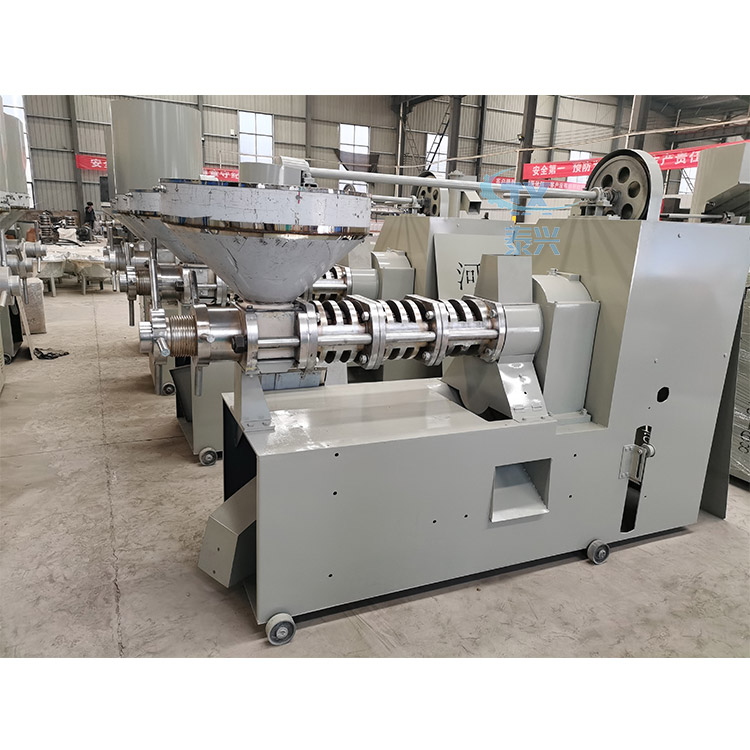
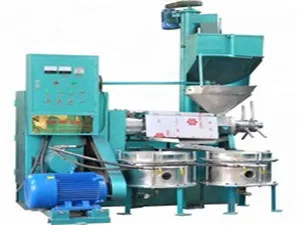
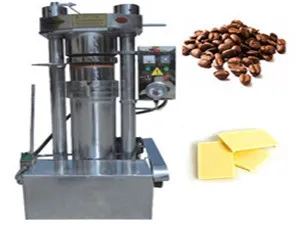
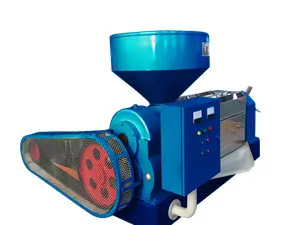
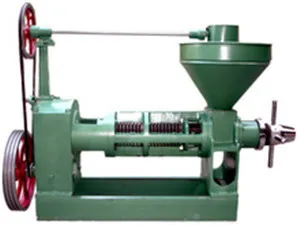
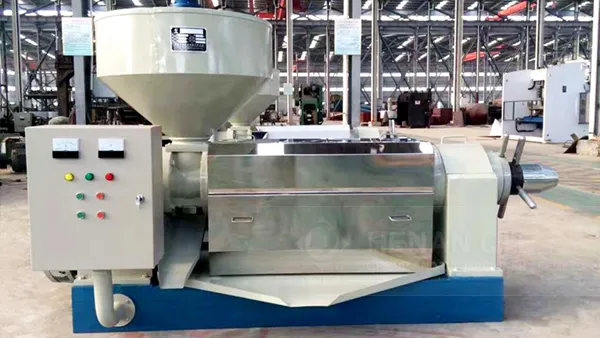
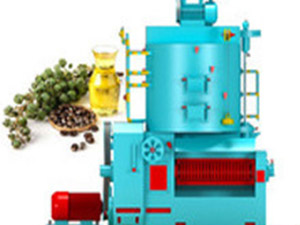
Gone are the days when home oil extraction meant hours of manual labor and messy cleanup. Modern automatic cleaning oil presses have transformed the process, making it as convenient as using a coffee machine. These innovative appliances combine traditional oil-pressing principles with smart technology to deliver fresh, pure oil with minimal effort.
Traditional manual oil presses required extensive disassembly and scrubbing after each use—a major barrier for home cooks. The automatic cleaning feature addresses this pain point by incorporating self-cleaning cycles that flush out residue and oil deposits. This not only saves you time but also ensures better hygiene and oil quality with each use.

Creating your own peanut oil is simpler than you might think. Follow these steps to produce fresh, aromatic oil that will elevate your cooking to new heights:
Start with high-quality, unsalted peanuts. Look for raw, shelled peanuts without any signs of mold or rancidity. For best results, choose organic peanuts if available, as they're grown without pesticides that could affect the oil's flavor and quality.
Each machine may have specific instructions, but the general process is straightforward:
For the clearest oil, strain the freshly pressed oil through a fine mesh strainer or cheesecloth. Store in a dark glass bottle with a tight-fitting lid, away from direct light and heat sources. Properly stored peanut oil will stay fresh for up to 6 months.
Once you've created your own peanut oil, you'll discover how its fresh, nutty flavor enhances everything from simple breakfasts to elaborate dinners. Here are some ways to enjoy your homemade oil:
Use for frying eggs or making golden pancakes with a subtle nutty flavor
Perfect for stir-fries and noodle dishes where peanut flavor enhances the sauce
Create vibrant vinaigrettes by combining with vinegar and herbs
Add moisture and subtle flavor to cakes, cookies, and quick breads
To get the most out of your automatic cleaning oil press, consider these professional tips:
You'll typically get about 1.5 to 1.75 cups (350-400ml) of oil from one pound (450g) of peanuts, depending on the variety and roasting level.
No, homemade peanut oil still contains peanut proteins that can trigger allergic reactions in sensitive individuals.
While initial investment in a press is required, homemade oil costs about 30-40% less than premium cold-pressed peanut oil over time, especially if you buy peanuts in bulk.
Taking control of your cooking oil production is more than just a kitchen experiment—it's a step toward greater food transparency and healthier eating habits. With an automatic cleaning oil press, you can enjoy the peace of mind that comes from knowing exactly what's in the oil you're using to nourish your family.
Discover how Penguin Group's innovative oil press technology can bring the benefits of homemade oil to your daily cooking routine.
Explore Penguin Group's Automatic Cleaning Oil Press SolutionsRemember, the journey to healthier cooking starts with the ingredients you can control. By making your own peanut oil, you're not just creating a more flavorful kitchen—you're investing in the long-term health of your family. As more home cooks discover this simple pleasure, homemade oil is becoming the new standard for conscious cooking.
Have you tried making your own cooking oil at home? Share your experiences and tips in the comments below!