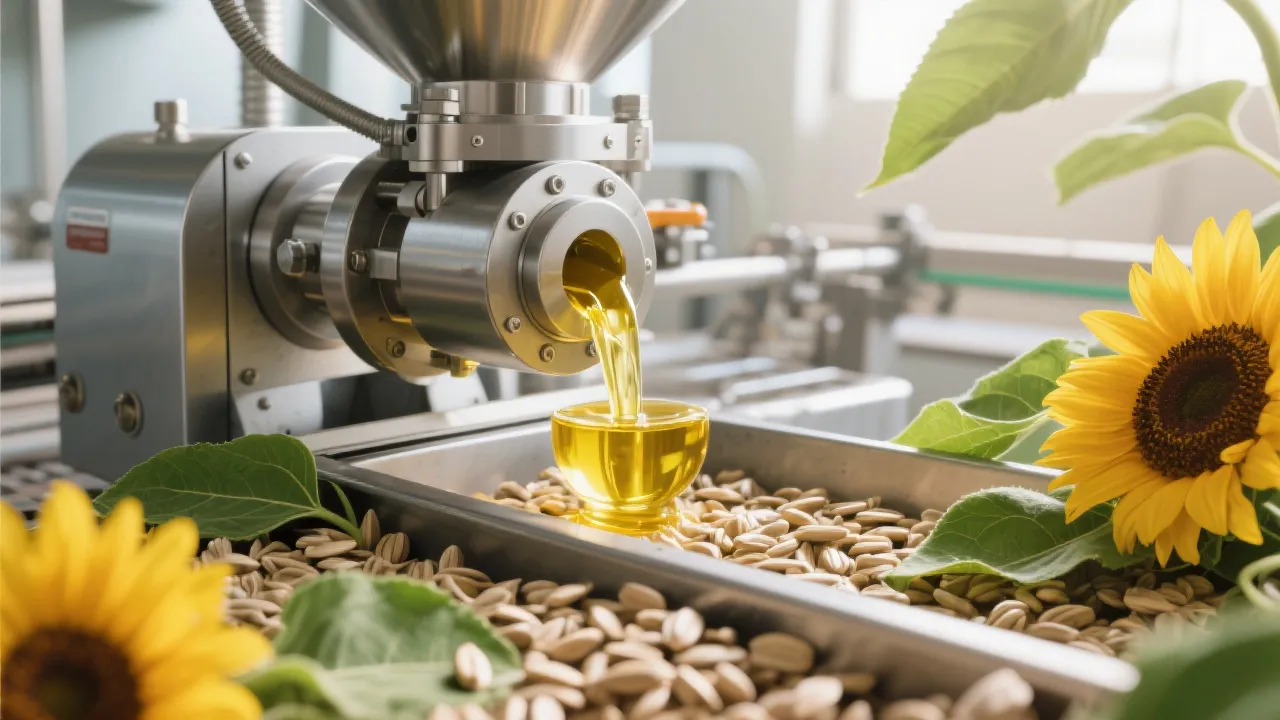
In the pharmaceutical and nutraceutical industries, where purity, consistency, and compliance are non-negotiable, cold-pressed oils must meet stringent quality standards—especially when derived from soybeans or other high-value seeds. Industrial-grade spiral oil presses play a pivotal role in achieving this goal. But how do you ensure consistent extraction efficiency while preserving delicate bioactive compounds like tocopherols, phytosterols, and essential fatty acids?
Studies show that up to 30% of active lipid loss in oil extraction stems from poor mechanical design—not just operator error. For example, a well-tuned spiral press with adjustable screw speed (typically 45–75 RPM for cold pressing) and optimized pressure distribution across the press chamber can increase yield by 12–18% compared to standard models.
| Parameter | Recommended Range (Cold Press) | Impact on Oil Quality |
|---|---|---|
| Screw Speed | 45–75 RPM | Minimizes heat buildup; preserves volatile compounds |
| Press Chamber Pressure | 0.8–1.2 MPa | Balances throughput vs. fiber retention |
| Feed Particle Size | 1.5–3 mm | Reduces fines, improves flow uniformity |
According to ISO 22000 and EU Regulation (EC) No 852/2004, food-grade processing equipment must be designed to prevent cross-contamination and maintain hygienic conditions throughout the production cycle.
Real-world case studies from leading contract manufacturers reveal that fine-tuning feed particle size and maintaining steady inlet moisture levels (ideally between 8–12%) significantly reduces wear on the screw and enhances oil clarity. One facility in Germany reported a 22% drop in maintenance costs over six months after implementing these adjustments.
Additionally, regular cleaning intervals—every 200 operating hours—are critical to preventing microbial growth and residue accumulation, especially in multi-product facilities. A failure to adhere to such schedules can lead to off-flavors or reduced shelf life, which is unacceptable in pharmaceutical-grade applications.
If your company is sourcing or producing cold-pressed oils for use in supplements, injectables, or topical formulations, understanding how equipment parameters directly influence final product specs isn’t optional—it’s strategic. The difference between compliant and non-compliant batches often lies in the details: screw pitch, material compatibility (stainless steel 304/316), and even lubrication choice.




.jpg?x-oss-process=image/resize,h_1000,m_lfit/format,webp)