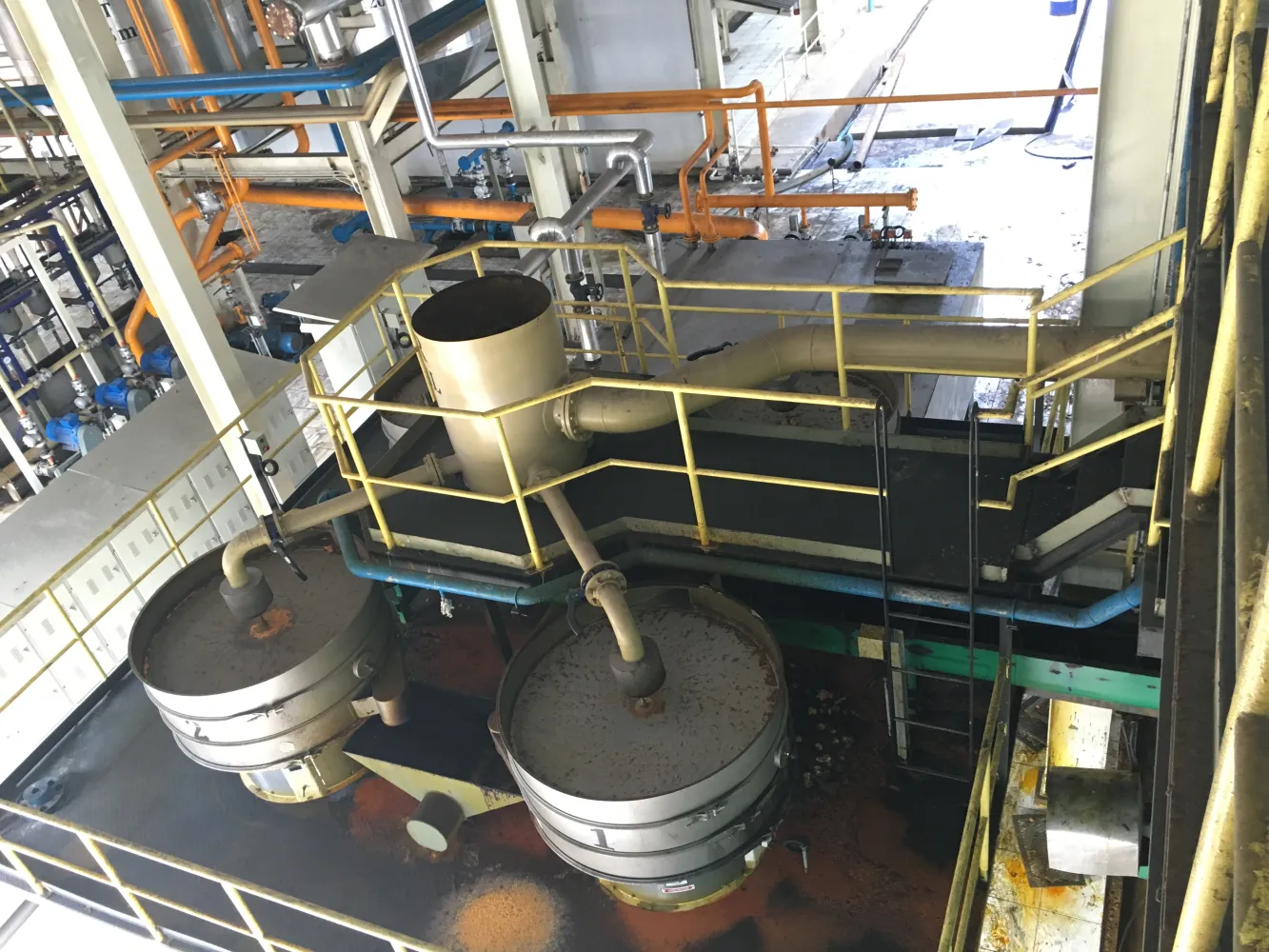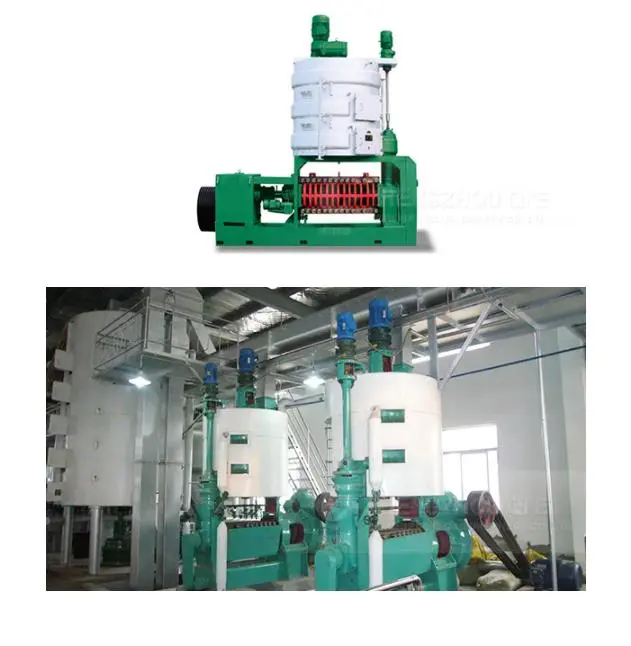

In the competitive landscape of edible oil processing, even a 1% increase in extraction efficiency can translate to hundreds of thousands of dollars in annual savings for medium to large-scale facilities. For sunflower oil producers, mastering temperature control in continuous screw oil presses has become the defining factor between profitability and mediocrity. This technical analysis explores how intelligent temperature control systems are revolutionizing sunflower oil extraction, delivering measurable improvements in yield, energy consumption, and oil quality.
Many oil processing facilities overlook the profound impact of temperature fluctuations on overall performance. Industry data shows that temperature variations as small as ±5°C can lead to:
These issues are particularly pronounced in sunflower processing, where the delicate balance between breaking oilseeds and preserving oil quality requires precise thermal management throughout the extraction process.
The science of heat transfer in continuous screw presses involves three critical mechanisms: conduction through the press barrel, friction-generated heat from the screw rotation, and radiant heat from external heating elements. Optimal sunflower oil extraction requires maintaining a precise temperature profile that:
Facilitates oil release by reducing oil viscosity without compromising seed structure
Preserves oil quality by preventing thermal degradation of fatty acids
Minimizes energy input through efficient heat utilization
Research indicates that sunflower seeds exhibit optimal oil release at temperatures between 65-75°C, with specific variances depending on seed moisture content (typically 6-8% for optimal processing). Deviations from this range can result in either incomplete oil separation or excessive protein denaturation, both negatively impacting yield and quality.
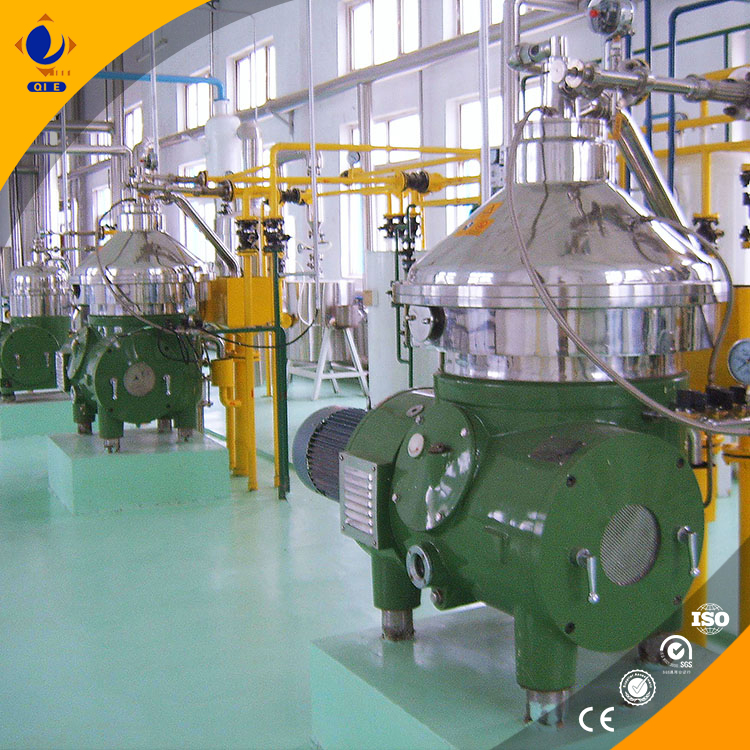
Modern intelligent temperature control systems, such as those developed by Penguin Group, employ advanced algorithms that dynamically adjust heating parameters based on real-time input from multiple sensors throughout the press. These systems address the unique challenges of sunflower oil extraction through:
Optimal temperature control requires strategic staging throughout the press. Industry best practices, validated through extensive testing, recommend the following temperature zones for sunflower oil extraction:
These temperature ranges are not static but should be adjusted based on specific seed characteristics. For example, higher moisture content may require slightly elevated temperatures in the feeding zone to achieve optimal processing conditions.
A mid-sized sunflower processing facility in Romania recently upgraded their conventional temperature control system to Penguin Group's intelligent温控 solution. The results, measured over a 90-day period, were striking:
"The temperature stability has transformed our operation," noted the facility's technical director. "We're seeing consistent results regardless of seed quality variations, and the energy savings alone justified the investment within 11 months."
When evaluating temperature control systems for sunflower oil processing, technical managers should prioritize solutions that offer:
Multi-sensor integration with at least 4-6 temperature monitoring points
Adaptive algorithms that learn from process variations over time
Remote monitoring capabilities for real-time adjustments and diagnostics
Additionally, proper calibration and regular maintenance of temperature control systems are essential. Industry standards recommend calibration checks every 3 months and sensor replacement every 18-24 months to ensure consistent performance.
Discover how Penguin Group's intelligent temperature control systems can boost your extraction efficiency, reduce energy costs, and improve oil quality. Our team of process engineers will conduct a comprehensive analysis of your current operation and develop a customized solution tailored to your specific needs.
Optimize Your Sunflower Oil Production TodayAs the global demand for high-quality sunflower oil continues to rise, processors face increasing pressure to maximize efficiency while maintaining product quality. By implementing advanced temperature control technology, facilities can gain a significant competitive advantage in this challenging market. The integration of intelligent温控 systems represents not just an equipment upgrade, but a fundamental shift toward data-driven process optimization that delivers measurable bottom-line results.




.jpg?x-oss-process=image/resize,h_1000,m_lfit/format,webp)