
As a technical director or plant manager at a medium-sized oil mill, you're constantly balancing three critical factors: output volume, oil quality, and operational costs. What if there was a proven method to increase your oil yield by 15-22% while simultaneously reducing impurity levels and labor requirements? This isn't theoretical—many oil mills similar to yours have achieved these results through implementing side-press filtration technology.
Before we explore solutions, let's examine the typical challenges that prevent many oil processing facilities from reaching their full potential:
These inefficiencies compound daily, quietly eroding your profit margins while your competitors find ways to optimize their operations.
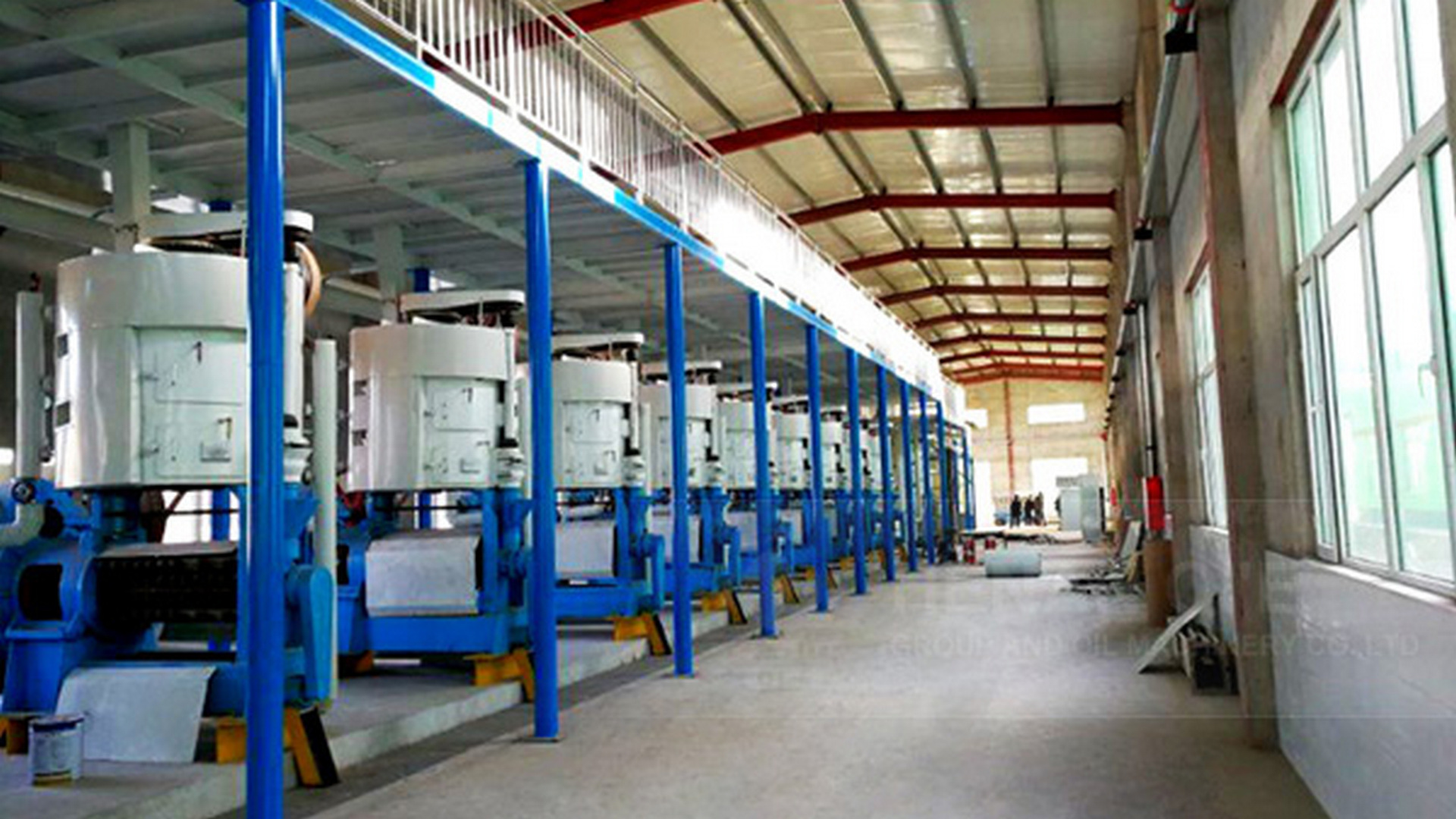
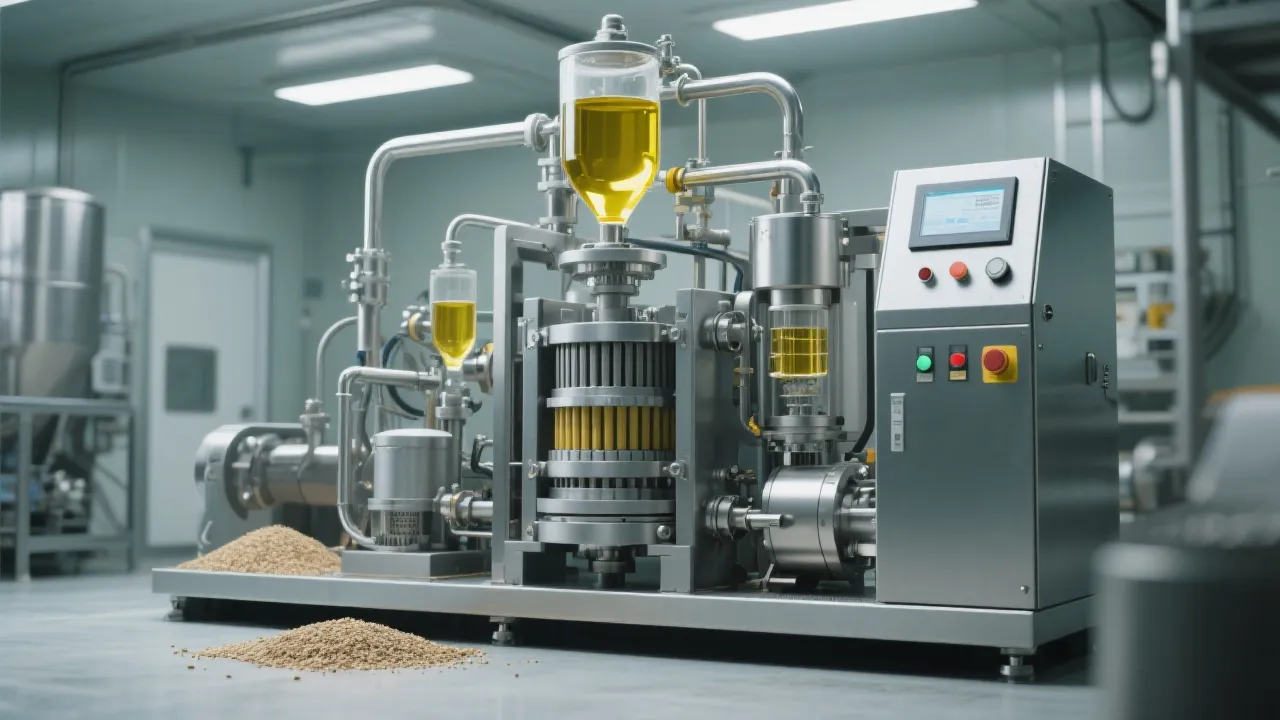
Side-press filtration technology reimagines the traditional oil extraction process by integrating pressing and filtering into a single, continuous operation. This innovative approach addresses the four critical technical areas that most impact oil yield:
Proper preparation of oilseeds—including moisture control (typically 6-12% depending on oil type) and particle size reduction—creates the ideal conditions for maximum oil release during pressing.
Advanced pressing chambers with precision-engineered screw configurations apply consistent pressure throughout the extraction process, minimizing oil entrapment in the press cake.
Controlled heating (typically 50-75°C for most oilseeds) reduces oil viscosity without compromising quality, allowing for better flow and separation during filtration.
Specialized filter screen designs (with 40-80 mesh sizes depending on oil type) capture impurities during pressing, eliminating the need for separate filtration stages.
The integration of these elements results in a process that not only increases yield but also produces higher quality crude oil with fewer impurities—typically 0.5-1.5% compared to traditional methods.
Understanding the theory is valuable, but seeing actual results from similar operations is what truly demonstrates the impact of side-press filtration technology. Let's examine two common scenarios:
.jpg)
A 50-ton/day rapeseed processing facility in Eastern Europe implemented side-press filtration technology and documented these improvements within the first 90 days:
A 30-ton/day peanut processing plant in Southeast Asia made the switch and achieved:
These aren't isolated success stories—similar results have been documented across various oilseed types, including soybeans, sunflower seeds, and sesame seeds. The consistent factor is the implementation of integrated side-press filtration technology.
Transitioning to side-press filtration doesn't necessarily mean replacing all your existing equipment. Many operations achieve significant improvements through strategic upgrades to their current pressing systems. Here's a practical approach to determine your next steps:
This baseline assessment will help you identify the specific areas where side-press filtration can deliver the most significant improvements for your operation.
The 企鹅集团 (QIE Group) has helped hundreds of oil mills worldwide implement side-press filtration technology, achieving an average yield increase of 17.8% and reducing operational costs by an average of 22%. Our team of process engineers will work with you to develop a customized solution that addresses your specific challenges.
Get Your Free Oil Yield AssessmentOur assessment includes a detailed analysis of your current processes and a personalized report with potential yield improvement opportunities.
Every day your operation continues with outdated processing technology represents missed profit opportunities. The oil that remains in your press cake, the energy you're over-consuming, and the additional labor required for separate filtration processes—all these factors add up to significant unnecessary costs.
Forward-thinking oil mill operators are already implementing integrated side-press filtration technology to gain competitive advantages in yield, quality, and operational efficiency. The question isn't whether this technology can benefit your operation, but rather how much potential profit you're leaving on the table by not exploring it further.