Practical Guide for SMEs on Cold Press Equipment Selection and Technical Transition
13 12,2025
Tutorial Guide
With the rising demand for healthy diets and green consumption, an increasing number of small and medium-sized enterprises (SMEs) are adopting cold press technology for sunflower seed oil processing. This article thoroughly examines the nutritional and flavor limitations of traditional hot pressing and introduces advanced cold pressing methods that effectively preserve natural antioxidants such as vitamin E and polyphenols, creating differentiated competitive advantages. Tailored to the operational characteristics of SMEs, it provides detailed guidance on equipment selection, staff training, and product positioning strategies to ensure a smooth technological transition. Incorporating data comparisons, process flowcharts, and real case studies, the guide addresses common concerns on energy consumption, maintenance, and capacity, offering practical solutions to help SMEs capture growth opportunities in the green edible oil market.

A Practical Guide for SMEs: Selecting Cold Press Oil Extraction Equipment & Navigating Technology Transition
In today's evolving food industry, consumer demand for healthier, natural, and additive-free edible oils continues to rise. This shift, combined with supportive green processing policies worldwide, encourages small and medium-sized enterprises (SMEs) to explore advanced oil extraction technologies. Among these, cold press extraction stands out as a method that preserves vital nutrients and elevates product quality, empowering SMEs to differentiate themselves in a competitive market.
Industry Context: Why Cold Pressing Matters
Traditional hot pressing methods, while widely used, expose oilseeds to high temperatures typically exceeding 100°C, leading to significant losses of sensitive compounds such as vitamin E and polyphenols—essential antioxidants linked to health benefits. Studies show that hot pressed oils can lose up to 40% of these nutrients compared to cold pressed oils, which maintain temperatures below 50°C to protect the oil’s natural profile.
Given the global edible oil market's projected CAGR of 6.2% through 2028 in the healthy oil segment, SMEs adopting cold press technology gain access to a premium niche, meeting increasing consumer preferences for natural and nutritious sunflower seed oils.
Technical Comparison: Hot Press vs. Cold Press Extraction
| Feature |
Hot Pressing |
Cold Pressing |
| Operating Temperature |
> 100°C |
< 50°C |
| Nutrient Retention (Vitamin E & Polyphenols) |
~60% |
~95% |
| Flavor Profile |
Reduced, sometimes “cooked” taste |
Fresh, natural aroma and taste |
| Energy Consumption |
Higher due to heating |
Lower overall due to cold operation |
Selecting the Right Cold Press Equipment: Guidelines for SMEs
SMEs must consider several crucial factors to ensure a successful technology transition:
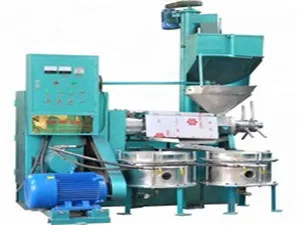
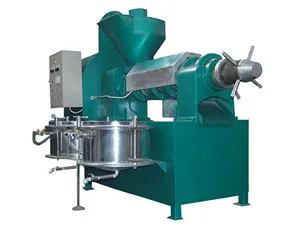
- Capacity Alignment: Match machine throughput (typically 10-100 kg/hour for SMEs) with expected production volume to optimize costs and avoid underutilization.
- Material Compatibility: Choose equipment designed specifically for sunflower seeds, ensuring screw configurations and press chambers maximize oil yield and quality.
- Energy Efficiency: Opt for electric-driven cold press machines with optimized motor power (usually 2-5 kW) to reduce operational costs.
- Ease of Maintenance: Look for modular designs with accessible parts to facilitate routine cleaning and minimize downtime.
- Automation Level: Semi-automatic models offer balance between investment and control, ideal for SMEs testing the process before scaling.
Operational Workflow & Training Essentials
Transitioning to cold press technology involves adapting production practices:
- Raw Material Preparation: Seed cleaning and conditioning to optimal moisture (7-10%) enhance cold press efficiency.
- Press Operation: Steady feed rate, temperature monitoring, and periodic torque checks are critical for consistent quality.
- Post-Extraction Handling: Filtration and mild settling maintain oil clarity without compromising nutrients.
Comprehensive personnel training covering equipment operation, troubleshooting, and hygiene standards underpins sustainable productivity and product safety.
Case Study: Cold Pressing Boosts Market Position for a Regional SME
A sunflower seed oil producer in Eastern Europe upgraded from a traditional hot press setup to a cold press line in 2023. Within six months, the company:
- Increased vitamin E content by 30% as verified by laboratory analysis.
- Improved customer repeat purchase rate by 22% due to enhanced flavor and clarity.
- Reduced energy consumption by 18%, positively impacting operational expenses.
- Secured new distribution contracts with health-conscious retailers, expanding regional reach by 15%.
This example illustrates how targeted technology upgrades combined with strategic marketing reshape SME competitiveness.
Addressing Common Concerns in Cold Press Transition
-
Is cold press extraction less productive in output volume?
-
Cold pressing typically yields 3-5% less oil volume compared to hot pressing. However, the higher quality and premium pricing often compensate for this variance.
-
What about equipment maintenance requirements?
-
Cold press machines require regular cleaning to prevent seed residue buildup but generally involve lower wear on parts due to lack of heat stress.
-
Does lower temperature increase energy usage elsewhere?
-
Overall energy consumption tends to decrease, since heating steps are eliminated. Mechanical pressing uses only electricity, enhancing operational efficiency.
Strategic Product Positioning & Market Differentiation
Beyond technical benefits, SMEs must communicate the cold press advantage effectively:
- Highlight Nutritional Superiority: Promote high antioxidant content validated through third-party lab certifications.
- Brand Green & Natural: Emphasize sustainable and additive-free production processes.
- Embody Authentic Taste & Aroma: Use sensory descriptions and customer testimonials to build trust.
- Leverage Certifications: Certifications like organic, non-GMO, or ISO can enhance credibility in B2B negotiations.

 <#else>





