In the evolving landscape of food and pharmaceutical industries, the demand for premium cold-pressed soybean oil has grown considerably. Traditional hot pressing methods often fail to preserve the delicate bioactive components essential for high-end applications, propelling industrial-grade spiral screw oil presses into the spotlight for cold-press extraction. This article presents an insightful analysis of how different operational parameters affect oil yield and quality, offering a comprehensive guide for plant operators and technical professionals striving for optimization and regulatory compliance.
Food-grade and pharmaceutical sectors require soybean oils with minimal oxidation, low acid values, and intact nutritive profiles. Hot pressing, characterized by elevated temperatures exceeding 100°C, often compromises oil purity through thermal degradation and excessive free fatty acid formation. Conversely, cold pressing maintains temperatures below 50°C, mitigating enzymatic and oxidative damage.
The challenge lies in balancing yield efficiency with quality retention, as cold pressing typically results in lower extraction rates without precise control of mechanical settings. Therefore, understanding the interplay of key parameters in the spiral press mechanism becomes critical.
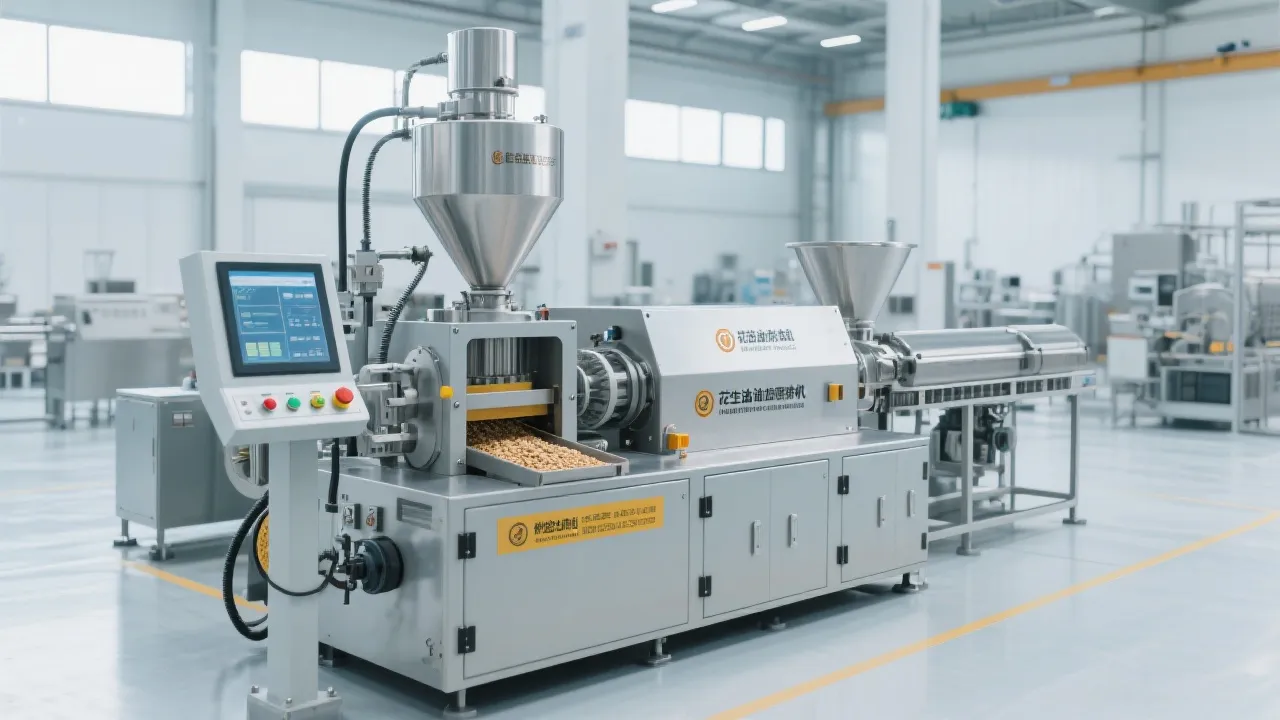
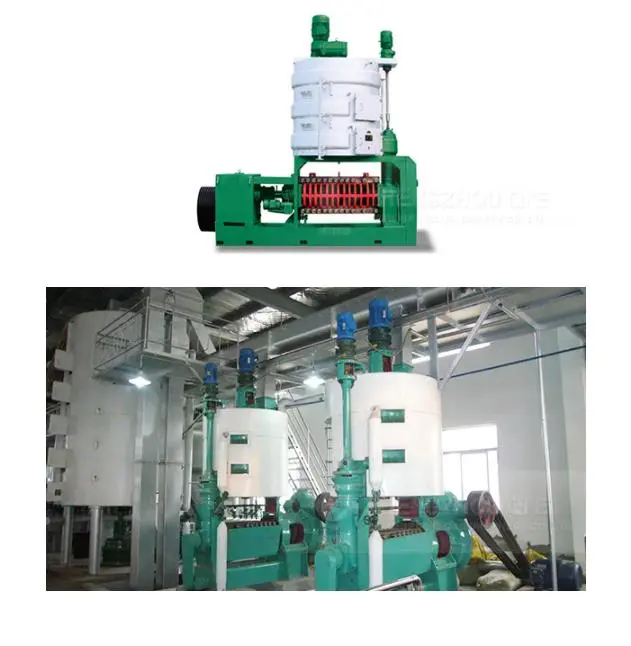
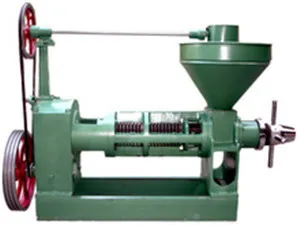
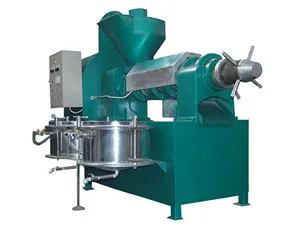
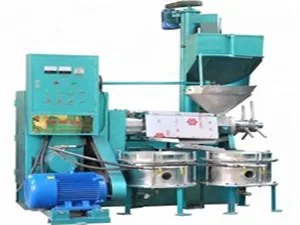
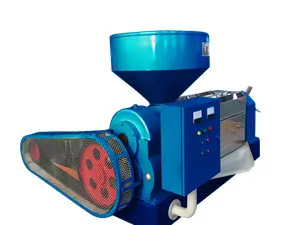
The spiral screw press architecture comprises mainly the spiral shaft, pressing chamber, and feed inlet. The spiral shaft’s geometry dictates the pressure build-up and material conveyance speed, directly influencing cell wall disruption and oil release.
Adjusting the pressing chamber’s pressure accommodates varying feed particle sizes and moisture levels, affecting the oil’s purity by controlling the dispersion of particulates and emulsions.
Feedstock granularity is equally vital; pre-processing soybean flakes into uniform particles (ideally 2–3 mm) ensures consistent compression and reduces channeling, which could otherwise trap oil residues. This mechanical-design-to-feed compatibility is fundamental to achieving optimal results.
Industry Standard Reference: According to the Food and Agriculture Organization (FAO), the ideal acid value (AV) for edible cold-pressed soybean oil should be below 1.5 mg KOH/g, and peroxide value (POV) under 5 meq O2/kg to maintain freshness and shelf stability.
| Parameter Setting | Oil Yield (%) | Acid Value (mg KOH/g) | Peroxide Value (meq O2/kg) |
|---|---|---|---|
| Low Pressure (3 MPa), Low RPM (20) | 17.2 | 1.1 | 3.9 |
| Medium Pressure (5 MPa), Medium RPM (35) | 19.8 | 1.4 | 4.3 |
| High Pressure (7 MPa), High RPM (50) | 21.5 | 2.3 | 6.7 |
The data highlights a classic trade-off: raising pressure and screw speed improves yield by up to 25% compared to baseline low settings but entails a proportional increase in acid and peroxide values, signaling oil quality degradation. Industry best practices recommend operating within moderate pressure and RPM ranges to safeguard bioactive profiles while achieving economically viable outputs.
1. Feedstock Management: Maintain uniform particle size distribution (2–3 mm optimum) with moisture content controlled below 8%, ensuring homogeneity and reducing clogging risks.
2. Temperature Monitoring: Use inline infrared sensors to maintain pressing chamber temperature below 50°C, crucial for preserving antioxidant compounds.
3. Pressing Chamber Pressure: Calibrate pressure to 5 MPa ± 0.5 MPa, coupled with screw speeds between 30–40 RPM, balancing yield and oil integrity.
4. Cleaning Regimen: Implement automatic flush cycles every 8 hours working time to minimize residue buildup and microbial contamination.
5. Scheduled Maintenance: Lubricate bearings biweekly and establish real-time anomaly alerts to proactively mitigate machine downtime.
Proper upkeep is an indispensable part of cold-press production, as mechanical wear influences operational consistency directly. Bearing health determines shaft alignment precision, affecting pressure uniformity and potentially causing quality variance.
Setting up real-time vibration and heat sensors with threshold alarms can detect early-stage abnormalities in the spiral shaft assembly, facilitating timely intervention and mitigating catastrophic failures.
Cold-pressed soybean oil production via industrial spiral screw presses necessitates a delicate balance of mechanical, material, and process controls. This study underscores the critical nature of modest parameter tuning combined with robust monitoring practices to achieve high yield without compromising oil quality. Stakeholders aiming for premium-grade, food- or pharma-compliant cold-pressed oils are encouraged to adopt the recommended operational framework and maintenance protocols herein.
For detailed inquiries about specific operating conditions or custom equipment configurations, please feel welcome to reach out and engage with our technical team.
.jpg?x-oss-process=image/resize,h_1000,m_lfit/format,webp)