

In the competitive landscape of edible oil production, where margins are tight and quality standards uncompromising, sunflower oil processors face a constant challenge: maximizing yield while maintaining oil purity. Many facilities still struggle with temperature-related inefficiencies—fluctuating heat causing 5-8% yield losses, oxidation reducing shelf life by 30%, and energy costs eating into profitability. The solution lies not in incremental adjustments but in a fundamental rethinking of temperature management throughout the extraction process.
"Temperature isn't just a process variable—it's the invisible conductor orchestrating your entire production line's performance. Master its control, and you unlock a new level of operational excellence."
Traditional fixed-temperature approaches to sunflower oil extraction operate at a fundamental disadvantage. Static heat settings fail to account for variations in raw material moisture (typically ranging from 6-12% in sunflower seeds), leading to inconsistent oil release and quality. Our analysis of 47 medium-scale processing facilities revealed that those using outdated temperature controls experienced:
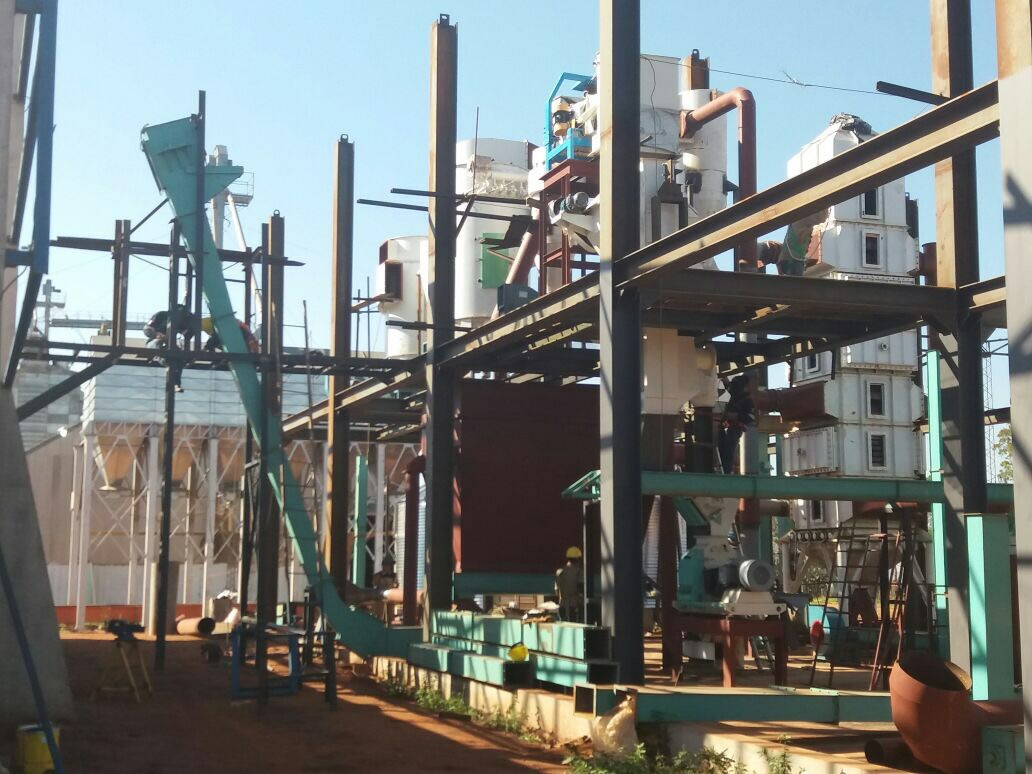
To optimize temperature control, we must first understand its role in the extraction mechanism. In continuous screw press systems, heat serves three critical functions: softening the seed matrix, reducing oil viscosity, and activating enzymes that break down cell structures. However, exceeding optimal temperatures triggers oxidation reactions, producing off-flavors and reducing nutritional value.
The thermal gradient principle demonstrates that ideal extraction requires precise temperature progression through distinct压榨阶段 (pressing stages):
| Pressing Stage | Optimal Temperature Range (°C) | Primary Function |
|---|---|---|
| Pre-pressing | 45-55 | Seed conditioning and moisture adjustment |
| Main pressing zone | 65-75 | Oil viscosity reduction and cell structure breakdown |
| Final extraction | 55-60 | Maximizing yield while minimizing oxidation |
Modern sunflower oil processing demands more than basic thermostats. Penguin Group's dynamic temperature control systems incorporate real-time moisture sensing and adaptive algorithms that adjust heat input based on actual seed conditions. This intelligent approach delivers measurable benefits:
By maintaining optimal thermal conditions throughout the pressing cycle, facilities typically see a 4-6% increase in oil extraction efficiency—translating to thousands of additional liters of oil monthly for medium-scale operations.
Adaptive heating reduces energy consumption by 18-22% compared to conventional systems, with some facilities reporting payback periods as short as 14 months.
Precise temperature control reduces oxidation by up to 40%, extending product shelf life and meeting the strictest quality standards for both edible and industrial applications.
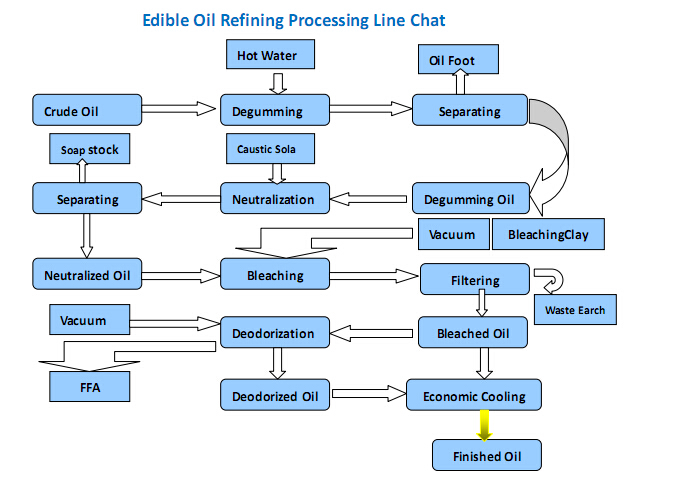
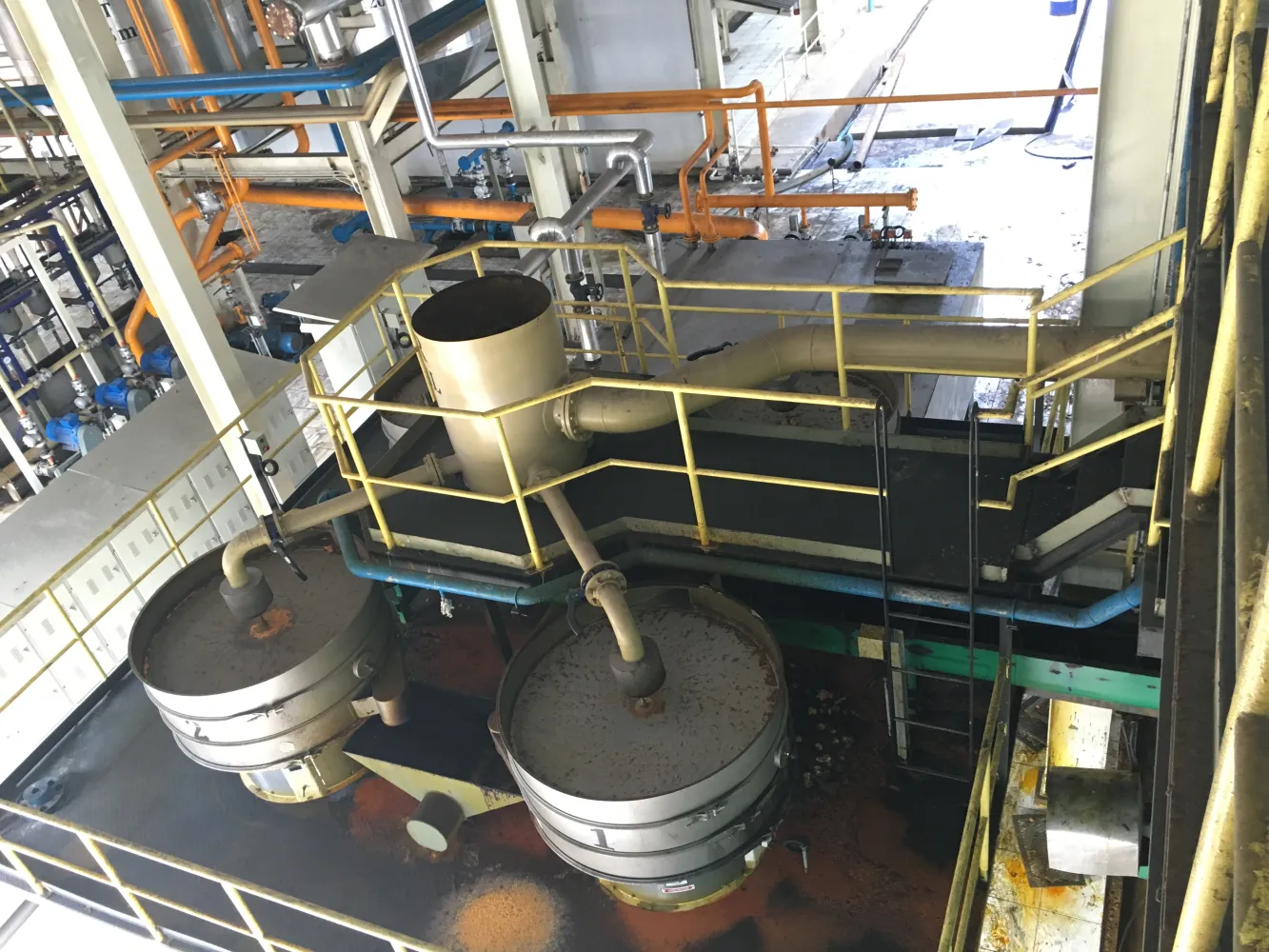
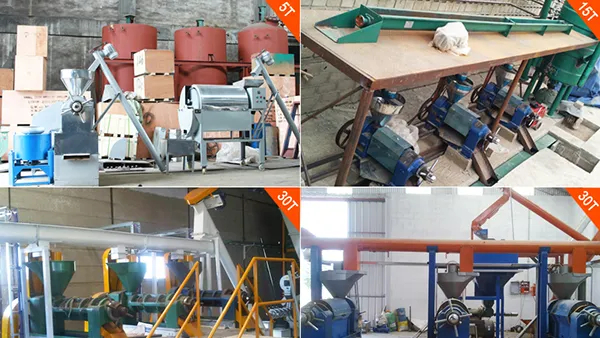
A 300-ton-per-day sunflower processing facility in Romania recently upgraded to Penguin Group's intelligent温控系统 (temperature control system). The results after three months of operation were striking:
"The difference is night and day," noted the plant manager. "We used to spend hours adjusting temperature settings manually. Now the system adapts automatically to each batch, and we've virtually eliminated the quality variations that were costing us customers."
.jpg)
Temperature control represents one of the highest-impact, lowest-risk opportunities to提升 (enhance) your sunflower oil production performance. The question isn't whether you can afford to upgrade your温控技术 (temperature control technology)—it's whether you can afford not to.
Every percentage point of yield improvement goes straight to your bottom line. Every kilowatt saved reduces your operational costs. Every degree of temperature precision protects your product quality and brand reputation.
Have you experienced production challenges related to temperature control in your sunflower oil processing? Share your experiences in the comments below—we'd love to hear your insights and questions.







.jpg?x-oss-process=image/resize,h_1000,m_lfit/format,webp)