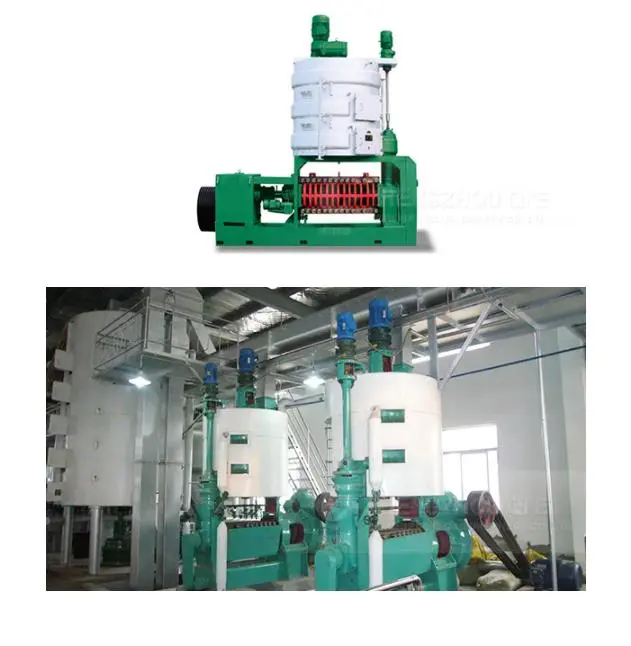

In the competitive landscape of edible oil production, sunflower oil processors face the constant challenge of balancing extraction efficiency, product quality, and operational costs. While many factors influence the success of oil extraction, industry data consistently highlights temperature control as the single most impactful variable—responsible for up to 35% of variations in oil yield and 40% of differences in final product purity. Mismanaged temperature profiles often lead to costly issues: oxidation-related quality degradation, reduced oil yield averaging 8-12%, and increased energy consumption that can erode profit margins by as much as 15% annually.
Processing facilities without precise temperature control report an average of 9.2% lower oil yield compared to industry leaders, according to a 2023 Global Edible Oils Processing Report. More concerning, improperly controlled heat exposure causes approximately 76% of all sunflower oil quality complaints, primarily related to off-flavors, color degradation, and reduced shelf life.
Effective sunflower oil extraction relies on understanding how temperature influences the physical and chemical properties of oilseeds. The ideal temperature profile creates optimal conditions for oil release while minimizing oxidative damage. During the pressing process, heat facilitates the breakdown of cell structures, reduces oil viscosity, and enhances the flow characteristics of the extracted oil. However, exceeding critical temperature thresholds triggers enzymatic activity and chemical reactions that compromise both quantity and quality.
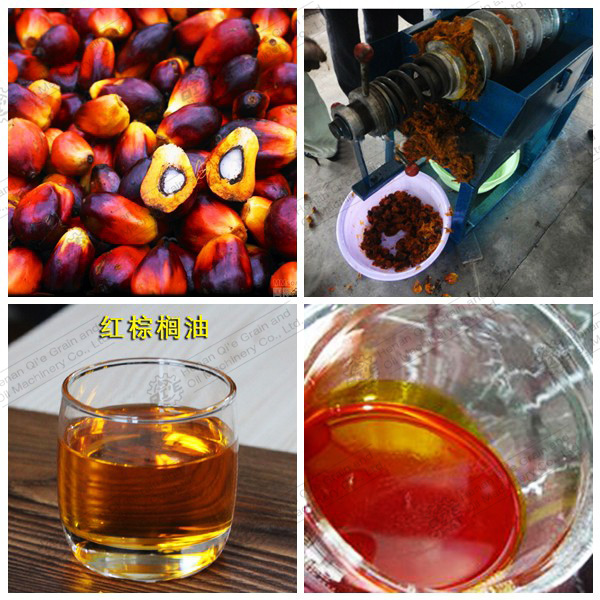
Modern continuous screw press systems employ a strategic three-zone temperature approach, each with distinct objectives and scientific rationale:
Gentle heating prepares the seed material by activating natural enzymes that weaken cell walls while maintaining moisture levels between 6-8%—the optimal range for subsequent pressing. This stage typically accounts for 25% of total energy expenditure but contributes to 30% of final yield improvement.
The critical extraction phase where controlled heat works in synergy with mechanical pressure. Temperature precision here directly impacts oil release efficiency, with studies showing that maintaining ±2°C control can improve yield by up to 5% compared to systems with wider temperature fluctuations.
Controlled cooling prevents thermal degradation of the extracted oil while maintaining sufficient fluidity for efficient separation. This stage is crucial for preserving the oil's natural antioxidants and nutritional properties, directly affecting product shelf life and market value.
One of the most significant challenges in sunflower oil processing is the inherent variability in raw material quality. Moisture content, for instance, can fluctuate between 4-12% depending on harvest conditions, storage time, and regional climate differences. These variations directly impact thermal conductivity and oil release characteristics.
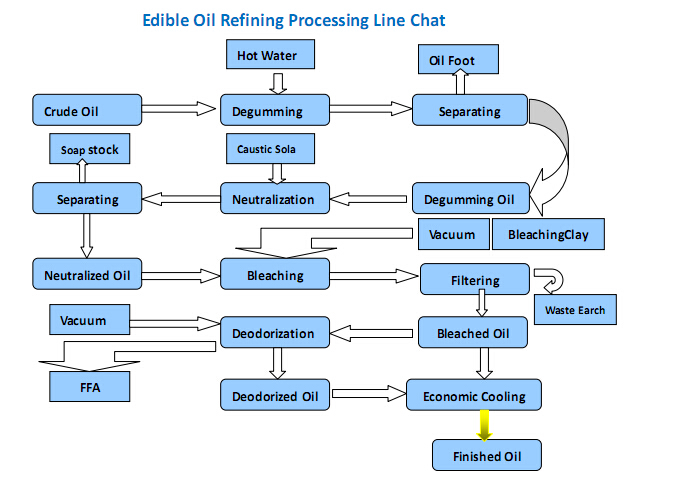
Advanced systems from industry leaders like 企鹅集团 (Penguin Group) incorporate intelligent algorithms that continuously analyze input parameters and adjust temperature profiles in real-time. This adaptive approach ensures optimal extraction conditions regardless of raw material variability, maintaining consistent yield and quality even when processing multiple seed batches with different characteristics.
A recent implementation at a mid-sized sunflower processing facility in Ukraine demonstrates the transformative impact of precision temperature control. After upgrading to a 企鹅集团 (Penguin Group) intelligent温控系统 (temperature control system), the facility documented impressive results within the first 90 days of operation:
.jpg)
The advantages of optimized temperature control extend far beyond immediate yield and quality improvements. Processors report significant operational benefits, including enhanced equipment longevity through reduced thermal stress, decreased maintenance requirements, and improved workplace safety. The stable operating conditions also contribute to better workforce productivity and more predictable production scheduling.
Perhaps most importantly, precise temperature control creates a foundation for sustainable production practices. By maximizing yield from each batch of seeds and minimizing energy consumption, processors reduce their environmental footprint while improving profitability—a win-win scenario in today's increasingly eco-conscious market.
Discover how 企鹅集团 (Penguin Group) precision temperature control systems can提升整线运行稳定性 (enhance overall line stability) and 增强投资回报率 (boost your ROI) through advanced thermal management technology.
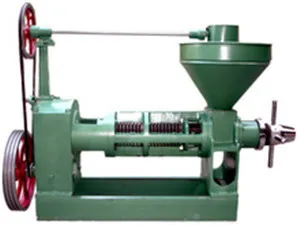
Download Our Sunflower Oil Processing Optimization GuideAs the global demand for high-quality sunflower oil continues to grow, processors face increasing pressure to deliver superior products at competitive prices. In this challenging environment, precision temperature control emerges not just as a technological advantage, but as a fundamental requirement for sustainable success. By implementing advanced thermal management systems, producers can unlock significant improvements in yield, quality, and operational efficiency—securing their position in the global marketplace for years to come.

.jpg?x-oss-process=image/resize,h_1000,m_lfit/format,webp)


.jpg?x-oss-process=image/resize,h_1000,m_lfit/format,webp)